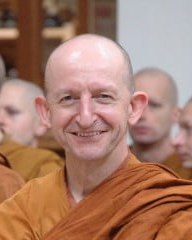
[Session] Readings by Ajahn Pasanno:
Ajahn Pasanno’s preface to The Island by Ajahn Pasanno and Ajahn Amaro, pp. 8-9.
Sutta: MN 26.1-21: Ariyapariyesanā Sutta.
[Session] Readings by Ajahn Pasanno:
The Island by Ajahn Pasanno and Ajahn Amaro, Chapter 13, pp. 224-225:
Suttas: AN 4.179; AN 10.60.11; AN 1.494.
Sutta: MN 26.22-42: Ariyapariyesanā Sutta.
7. Recollecting the peace of Nibbāna. Teaching by Ajahn Pasanno. [Recollection/Peace] [Nibbāna] // [Cessation] [Dispassion] [Pāli] [Tranquility]
Reading: The Island by Ajahn Pasanno and Ajahn Amaro, p. 225.
Suttas: AN 10.60.11; AN 1.494.
[Session] Readings by Ajahn Pasanno:
The Island by Ajahn Pasanno and Ajahn Amaro, Chapter 13, pp. 230-233:
Suttas: MN 29.7; MN 24.10; AN 3.101; MN 70.13, .22 & .23.
Sutta: AN 3.102: Nimitta.
Sutta: MN 70: Kīṭāgiri Sutta.
[Session] Readings by Ajahn Pasanno:
The Island by Ajahn Pasanno and Ajahn Amaro, Chapter 13, pp. 233-235:
Sutta: MN 70: Kīṭāgiri Sutta.
[Session] Readings by Ajahn Pasanno:
The Island by Ajahn Pasanno and Ajahn Amaro, Chapter 13, pp. 235.
Sutta: MN 117.
[Session] Readings by Ajahn Pasanno:
The Island by Ajahn Pasanno and Ajahn Amaro, Chapter 13, pp. 235-239:
Suttas: AN 10.2; MN 118.15; SN 56.11.2; SN 51.20.
[Session] Readings from The Island by Ajahn Pasanno and Ajahn Amaro, Chapter 13, pp. 239-246. Read by Ajahn Pasanno:
Suttas: Snp 1106-7 & 1111; Snp 1098; AN 1.182; SN 12.15; Iti 49; SN 12.48; SN 12.18; SN 12.67.
[Session] Readings by Ajahn Pasanno:
The Island by Ajahn Pasanno and Ajahn Amaro, Chapter 14, pp. 247-248:
Suttas: MN 10.2; Snp 1086-7.
Sutta: MN 10: Satipaṭṭhāna Sutta.
[Session] Readings by Ajahn Pasanno:
The Island by Ajahn Pasanno and Ajahn Amaro, Chapter 14, pp. 248-251:
Suttas: SN 48.54; SN 48.45; AN 7.61; SN 35.80; MN 11.17.
Ajahn Chah, Food for the Heart, p. 241-2.
Sutta: AN 7.61: Nodding.
[Session] Readings by Ajahn Pasanno:
The Island by Ajahn Pasanno and Ajahn Amaro, Chapter 14, pp. 251-252:
Sutta: MN 11: Cūḷasīhanāda Sutta
Sutta: MN 75: Māgaṇḍiya Sutta
[Session] Readings by Ajahn Pasanno:
Sutta: MN 75: Māgaṇḍiya Sutta.
The Island by Ajahn Pasanno and Ajahn Amaro, Chapter 14, pp. 252-253.
Sutta: MN 57: Kukkuravatika Sutta.
[Session] Readings by Ajahn Pasanno:
The Island by Ajahn Pasanno and Ajahn Amaro, Chapter 14, pp. 253-256:
Suttas: SN 22.80; MN 11.6-7; MN 74.6-8; MN 63.7-8.
Sutta: MN 74: Dīghanakha Sutta.
Sutta: MN 63: Cūḷamāluṅkya Sutta.
[Session] Readings by Ajahn Pasanno:
The Island by Ajahn Pasanno and Ajahn Amaro, Chapter 14, pp. 256-258:
Suttas: Snp 800-3; MN 2.7-8; MN 109.15-18.
Sutta: MN 2: Sabbāsava Sutta.
Sutta: MN 109: Mahāpuṇṇama Sutta.
[Session] Readings by Ajahn Pasanno:
The Island by Ajahn Pasanno and Ajahn Amaro, Chapter 14, pp. 258-265:
Suttas: SN 35.82; SN 35.116; MN 8.3; SN 4.16; SN 35.90; SN 35.248; Snp 954; MN 72.15; SN 12.51; MN 138.3; Snp 839; Snp 794-5; Snp 812-13; Snp 537; Dhp 421; Dhp 348.
A Still Forest Pool by Ajahn Chah (commercial) p. 73.
SN 35.248: Yavakalāpī.
[Session] Readings from The Island by Ajahn Pasanno and Ajahn Amaro, Chapter 6, pp. 117-123:
Suttas: MN 113.21; MN 137.19-20; AN 4.24.
Richard Gombrich, ‘Metaphor, Allegory, Satire,’ in How Buddhism Began: The Conditioned Genesis of the Early Teachings, pp. 86-7.
Hsin Hsin Ming, the verses of the Third Ch’an Patriarch.
Atulo, collected teachings of Ajahn Dune compiled by Ajahn Bodhinandamuni (no full English translation).
AN 3.40 in The Magic of the Mind by Bhikkhu Ñāṇananda (pdf unavailable) pp. 49 & 52.
2. “Is it correct that if the conceit ‘I am’ is penetrated that essentially eliminates the other four fetters?” [Fetters] [Conceit]
Sutta: AN 9.3 / Ud 4.1: Meghiya Sutta.
3. “If sakkāyadiṭṭhi is seen or penetrated, then do doubt and the other two follow?” [Self-identity view] [Doubt] [Attachment to precepts and practices] [Fetters] // [Impermanence] [Great disciples] [Characteristics of existence]
Sutta: SN 56.11.21: Dhammacakkappavattana Sutta: Kondañño’s knowing (Chanting Book translation).
4. “How does atammayatā relate to Ajahn Chah’s simile about oil and water, the mind and the mind objects being separate?” Answered by Ajahn Amaro and Ajahn Pasanno. [Non-identification] [Ajahn Chah] [Similes ] [Nature of mind]
Quote: “Inside is Dhamma, outside is Dhamma, everything is Dhamma.” — Ajahn Chah. Quoted by Ajahn Amaro. [Dhamma]
Quote: “All symbols and similes are partially relevant. All analogies are partial.” — Ajahn Amaro. [Symbolism/metaphor]
5. Recollections of Ajahn Dune by Ajahn Pasanno and Ajahn Amaro. [Ajahn Dune] [Ajahn Pasanno] [Ajahn Amaro] // [Teaching Dhamma] [Wat Burapha]
Quote: “The noise that comes from the town is just minding its own business. Why do you go out and bother it?” — Ajahn Dune. Quoted by Ajahn Amaro. [Contact] [Equanimity]
6. “I’m super perplexed and baffled with defining or understanding the term suchness or thusness. Are you able to communicate what it actually means?” Answered by Ajahn Amaro and Ajahn Pasanno. [Suchness ] // [Ajahn Sumedho] [Language] [Knowing itself] [Aggregates] [Unconditioned] [Dhamma] [Recollection/Dhamma]
Quotes: “It’s like this.” “Reality is unimaginable.” — Ajahn Sumedho. [Direct experience]
Sutta: MN 72.20, quoted in The Island by Ajahn Pasanno and Ajahn Amaro, p. 172.
7. “Can you say, ‘Why do you go out and bother the thoughts?’” [Proliferation] [Sense bases]
[Session] Readings:
The Island by Ajahn Pasanno and Ajahn Amaro, Chapter 6, pp. 123-124:
Sutta: MN 18.16-19.
The Island by Ajahn Pasanno and Ajahn Amaro, Chapter 7, pp. 125-126:
Sutta: AN 3.128.
1. “I’ve heard saññā interpreted as perception/memory. Is memory included in saññā?” Answered by Ajahn Amaro, Ajahn Pasanno and Ajahn Karuṇadhammo. [Perception] [Memory] // [Mindfulness]
Reference: Uncommon Wisdom: The Life and Teachings of Ajahn Paññāvaḍḍho by Ajahn Dick Sīlaratano, p. 199.
2. “Are unworldly feelings to be treated the same? (referring to MN 18.8, ‘nothing is found there to delight in.’) Some of them appear in the cessation cycle, for example joy. They’re pleasant spiritual feelings.” [Feeling] [Happiness] [Skillful qualities] // [Jhāna] [Formless attainments] [Conditionality] [Ajahn Chah]
3. “When the mind rests in awareness and it’s not going out, it feels very natural. It knows that this is the place to be, but still over and over again, no matter how clearly it sees this pure quality and peaceful quality, it still goes out to thoughts. The mind keeps going out. It keeps grabbing, it keeps identifying, even though it knows this is dukkha.” Answered by Ajahn Amaro and Ajahn Pasanno. [Knowing itself] [Clinging] [Suffering] [Long-term practice] // [Noting] [Mindfulness of mind] [Idealism] [Discernment] [Food] [Feeling] [Birth]
Quote: “It’s just that much.” — Ajahn Chah. [Ajahn Chah]
4. “The naming of proliferation—I’m getting to this idea that, okay now that I named it, it will stop now. I have this hope that I’ve found the key that’s gonna stop it all and then I get frustrated with myself because it’s still going on. Do I have to name it again? What do I do now?” [Noting] [Proliferation] // [Relinquishment] [Non-identification] [Mindfulness of body]
5. “It seems there are so many things to comment on it is kind of overwhelming. How to deal with that?” [Noting] // [Mindfulness of body] [Present moment awareness]
Story: “The body understands!” Told by Ajahn Pasanno. [Zen] [Koan]
6. “According to what you read in the book (The Island by Ajahn Pasanno and Ajahn Amaro, p. 123-124; MN 18.16-19), first there is contact and then phassa and vedanā. So first when we have contact there is no self yet. For example, if I contact something painful, at that time I feel I have no self, and then when I feel painful there is still no self, but then I feel like, ‘Oh, I don’t like this painfulness,’ the desire not to have it. Is feeling more self related with desire? It always comes together or not always?” [Contact] [Feeling] [Pain] [Self-identity view] [Craving] // [Clinging] [Mindfulness of feeling] [Ascetic practices] [Heedfulness]
Sutta: Ud 1.10: Bāhiya.
Sutta: AN 10.58: “Rooted in interest are all things. …”
Reference: Catastrophe/Apostrophe by Ajahn Amaro, p. 139.
Quote: “Just a few more things for you to let go of.” — Ajahn Chah’s response to Jack Kornfield’s description of his travels and meditation experiences. [Ajahn Chah] [Jack Kornfield] [Relinquishment] [Conceit] [Restlessness and worry]
[Session] Readings from The Island by Ajahn Pasanno and Ajahn Amaro, Chapter 7, pp. 126-132:
Stephen Collins, Selfless Persons, pp. 43-45.
Suttas: MN 64.9-16, AN 9.36; Iti 51; AN 9.37; SN 48.57; AN 10.58; AN 8.73; MN 49.23; MN 1.25.
2. “Do you have any suggestions on how to strengthen our ability for non conceptual investigation?” Answered by Ajahn Amaro and Ajahn Pasanno. [Insight meditation] // [Present moment awareness] [Artistic expression] [Mindfulness of mind]
3. “Would you say that way of reflecting using non conceptual thought is more effective or more penetrative than using verbalisation?” Answered by Ajahn Amaro and Ajahn Pasanno. [Insight meditation] [Directed thought and evaluation] // [Ajahn Chah] [Ajahn Jāgaro] [Culture/West]
Reference: “What is Contemplation?”, Collected Teachings of Ajahn Chah, p. 475.
4. “So in contemplation there is still mental movement, but not the translation of that movement into words?” [Insight meditation] [Directed thought and evaluation] // [Clear comprehension] [Perception] [Chanting] [Lawfulness]
Sutta: SN 1.1.
5. Comment: You mentioned the example of sport, dancing, and music [in the previous question]. I thought of upatakhing as non-verbal attention that is not over involved and not dissociated. It came to mind when I saw Venerable Cittadhammo come in at the end of pūjā to help Luang Por Pasanno get up. It was very lovely; it was like he was watching to see just the right moment, and it was wordless. Contributed by Anagārikā Deepa. [Artistic expression] [Upatakh ] [Clear comprehension]
Response by Ajahn Amaro.
6. “The space where everything arises and ceases, where it is not arising and ceasing—it is just knowing. That is how I experience the still point. … When I turn the mind towards that, I sometimes feel like something is wrong because there is a sense of trying to keep it there. There is a sense of wanting to fixate on it. … So I wonder whether Ajahn or Luang Por have any helpful way of how we should hold turning towards it in a way that is the middle way.” Answered by Ajahn Amaro and Ajahn Pasanno. [Spaciousness] [Knowing itself] [Clinging] [Middle Path] // [Non-identification] [Similes] [Becoming]
Reference: Silence by John Cage. [Artistic expression]
[Session] Readings:
The Island by Ajahn Pasanno and Ajahn Amaro, Chapter 8, pp. 133-137:
Bhikkhu Bodhi, Middle Length Discourses of the Buddha, Note 513.
Sutta: DN 11.81-5.
Sutta: MN 49.26.
1. “MN 49.26 says that the Buddha made himself invisible. Are the suttas always to be taken literally?” [Buddha/Biography] [Psychic powers] [Tipiṭaka ] // [Brahma gods] [Culture/India] [Ven. Ananda Maitreya]
Vinaya: Mahāvagga 1.7.8: The Buddha conceals Yasa.
2. “In the passage you read out [DN 11.85], on the one hand it’s referring to consciousness that is infinite and radiant and non-manifestative, but then it went on to say that consciousness ceases. Do you have any thoughts about this?” [Consciousness] [Unestablished consciousness] [Cessation]
3. “What about different definitions of the mind? Sometimes the Pāli is citta …” Answered by Ajahn Amaro and Ajahn Pasanno. [Heart/mind] [Pāli] // [Nature of mind] [Sense bases] [Liberation] [Translation]
Sutta: SN 22.59.9 Anattalakkhaṇa Sutta: Their hearts (citta) were liberated … (Chanting book translation).
4. “We often speak of the mind, and we associate it with the mental mind, and we often feel that it’s in the area of the head. Then, when we feel the heart, we often feel like it’s in the area of the heart chakra. I see that in meditation, we can actually expand our field of awareness, maybe to the whole body or even more. Are there different approaches or degrees to this? How does it relate to consciousness?” Answered by Ajahn Amaro and Ajahn Pasanno. [Heart/mind] [Nature of mind] [Spaciousness] [Consciousness] // [Translation] [Language] [Hinduism] [Emotion] [Mindfulness of mind] [Body/form]
5. Comment: In the first Dhammapada verse, mano seems to be used not as a sense gate but sort of a leading part of consciousness. [Heart/mind] [Sense bases] [Consciousness]
Response by Ajahn Amaro and Ajahn Pasanno. [Thai Forest Tradition] [Recollection] [Language] [Conventions]
Sutta: SN 1.25: The Buddha’s use of ‘I’ as conventional language.
6. “Did the Buddha use viññāṇa to describe the mind as the sixth sense gate sometimes?” Answered by Ajahn Amaro and Ajahn Pasanno. [Consciousness] [Heart/mind] [Sense bases]
7. Comment: The quality that the Dhammapada describes (Dhp 1) seems like it has the quality of the beginning of the formations, like saṅkhāra, with its quality of intention. To me this seems like a mano kind of quality as opposed to the broader citta quality. So that kind of mind, mano, is the forerunner of stuff that gets produced. Contributed by Ajahn Karuṇadhammo. [Heart/mind] [Volitional formations] [Volition]
Response by Ajahn Amaro. [Kamma]
8. Comments about the everyday use of the words corresponding to mano and dukkha in Indian languages. Contributed by Anagārikā Deepa. [Language] [Pāli] [Culture/India] [Heart/mind] [Suffering]
Response by Ajahn Amaro. [Proliferation] [Ven. Ananda Maitreya] [Tipiṭaka] [Humor] [Translation] [Bhikkhu Bodhi]
[Session] Readings from The Island by Ajahn Pasanno and Ajahn Amaro, Chapter 8, pp. 137-140:
Dependent Origination by P. A. Payutto, pp. 118-120.
Concept and Reality by Bhikkhu Ñāṇananda p. 63.
1. “What does the word volition mean?” [Volition]
2. “Are [the links of Dependent Origination] from the perspective of the mind or is it also from the perspective of the jhānas where you have the cessation of appearances altogether? Or is it strictly on the level of volition?” Answered by Ajahn Amaro and Ajahn Pasanno. [Dependent origination] [Jhāna] [Cessation] [Volition] // [Nature of mind] [Appropriate attention] [Conditionality]
3. Recollection: Abhayagiri’s contact with Gomde California. Recounted by Ajahn Amaro and Ajahn Pasanno. [Abhayagiri] [Gomde California] [Vajrayāna] [Chokyi Nyima Rinpoche]
4. “Is [SN 12.15] specifically what the middle way refers to?” [Middle Path] // [Dependent origination] [Eightfold Path] [Sense bases] [Philosophy]
Sutta: SN 56.11.2: Dhammacakkappavattana Sutta (Chanting book translation).
Reference: Concept and Reality by Bhikkhu Ñāṇananda p. 63, quoted in The Island by Ajahn Pasanno and Ajahn Amaro, p. 140.
Sutta: SN 2.26: Rohitassa.
Sutta: DN 11.85: Where earth, water, fire, and air no footing find …
5. “Is conceptual proliferation an aspect of Dependent Origination?” [Proliferation] [Dependent origination] // [Sense bases]
6. “You mentioned [existentialism/eternalism] and nihilism as familiar Western philosophical ideas. I understand that Buddhism’s approach is not one or the other. How do other Western philosophical ideas like solipsism or materialism sit?” Answered by Ajahn Amaro and Ajahn Pasanno. [Philosophy ] [Middle Path] // [God] [Humor] [Views] [Suffering] [Cessation of Suffering] [Teaching Dhamma]
Sutta: SN 22.86: “I teach suffering and the end of suffering.”
Comment: Philosophy usually tries to create a philosophy from which you pull down how to live your life, but the Buddha is the other way around.
Sutta: DN 1: Sixty-two wrong views.
7. “It is, friend, in just this fathom-high carcass endowed with perception and mind that I make known the world, the origin of the world, the cessation of the world, and the way leading to the cessation of the world.” — SN 2.26.5 [Bhikkhu Bodhi translation]. [Nature of the cosmos ] [Four Noble Truths]
Quote: “This pithy utterance of the Buddha may well be the most profound proposition in the history of human thought.” — Bhikkhu Bodhi’s footnote to the above passage. [Bhikkhu Bodhi ] [Philosophy]
Sutta: SN 35.116: The world in the Noble One’s discipline.
[Session] Readings:
The Island by Ajahn Pasanno and Ajahn Amaro, Chapter 8, pp. 141-142:
Stillness Flowing by Ajahn Jayasaro, pp. 90-91.
Sutta: Snp 4.11 (Venerable H. Saddhatissa translation).
2. “Could you clarify what you said about the mind and objects of awareness and how freedom from attachments is possible?” Answered by Ajahn Amaro and Ajahn Pasanno. [Nature of mind] [Knowing itself] [Liberation] // [Non-identification] [Insight meditation] [Ajahn Mun]
Simile: Oil and water. — Ajahn Chah. [Similes] [Ajahn Chah]
Follow-up: “I like flowers, but I need to stop buying flowers. How can this help?” Answered by Ajahn Amaro. [Clinging] [Feeling] [Volitional formations]
3. Story: Ajahn Amaro’s insight his first day at Wat Pah Nanachat: “I didn’t get the pineapple and nothing is missing!” [Ajahn Amaro ] [Wat Pah Nanachat] [Desire] [Eating after noon] [Impermanence] [Insight meditation] // [Liberation]
Quote: “Desire is a liar.” [Craving]
Ajahn Pasanno recollects Ajahn Amaro’s arrival at Wat Pah Nanachat.
4. Question about associating with and clinging to wholesome and conducive environments. Answered by Ajahn Amaro and Ajahn Pasanno. [Skillful qualities] [Clinging] [Spiritual friendship] // [Suffering] [Knowing itself] [Discernment] [Amaravati] [Ajahn Chah]
Quote: “If you seek for security in what is insecure, you are bound to suffer.” — Ajahn Chah. Quoted by Ajahn Amaro. [Impermanence]
Quote: “Wanting what’s good without stop. That’s a disease of the mind.” — Ajahn Mun, Ballad of Liberation from the Khandhas. Quoted by Ajahn Amaro. [Ajahn Mun] [Craving]
Quote: “Live simply; be natural.” — Ajahn Chah. Quoted by Ajahn Amaro. [Simplicity]
Story: A sincere practitioner’s family complains about his way of being mindful. Told by Ajahn Amaro. [Mindfulness] [Everyday life] [Pace of life]
5. Comment: I have high energy naturally, but people interpret my fast speaking and walking as anxiety. [Pace of life] [Restlessness and worry] // [Recreation/leisure/sport]
Response by Ajahn Amaro. [Wat Pah Ban Tat] [Ajahn Mahā Boowa]
6. “If worldly experiences are based on previous conditions, how is it possible to reach the world beyond our experience?” [Conditionality] [Liberation ] // [Insight meditation] [Cessation] [Knowing itself]
Sutta: DN 11.85: “Where long and short, coarse and fine, pure and impure find no footing …”
Sutta: SN 2.26: The end of the world.
[Session] Readings from The Island by Ajahn Pasanno and Ajahn Amaro, Chapter 8, pp. 143-146:
Suttas: AN 11.9; AN 10.6; MN 10.34-35, DN 22.12.
Atulo, collected teachings of Ajahn Dune compiled by Ajahn Bodhinandamuni (no full English translation).
1. Comment: The separation between the mind and the sense/mind objects can be helpfully contemplated at multiple levels of acuity. Contributed by Ajahn Kaccāna. [Nature of mind] [Knowing itself] [Sense bases] // [Nibbāna] [Ajahn Chah]
Sutta: AN 11.9.
Reference: Stillness Flowing by Ajahn Jayasaro, pp. 90-91.
Response by Ajahn Amaro. [Hearing the true Dhamma] [Perception] [Etymology]
Quote: “The Five Khandhas exist, but they aren’t real. The Dhamma is real, but it doesn’t exist.” — Ajahn Paññāvaḍḍho. [Ajahn Paññāvaḍḍho] [Aggregates] [Dhamma]
Response by Ajahn Pasanno.
Quote: “Bright, loud, and mobile is the false; subtle and indistinct is the true.” — Master Hsuan Hua to Ajahn Amaro in a dream. Quoted by Ajahn Amaro. [Master Hsuan Hua] [Ajahn Amaro] [Dreams] [Truth]
2. Comment: When I decide not to watch news about what is going on in the world, it ceases to stand out, to be a reality for me, and then there’s peace. [News] [Sense restraint] [Tranquility]
Response by Ajahn Amaro.
4. “Is what you’re describing (meditation states like AN 10.6) something that somebody might arrive at in their ordinary waking …?” [Meditation/Results] // [Insight meditation] [Non-identification] [Perception] [Ajahn Karuṇadhammo] [Sense bases] [Abhayagiri]
Vinaya: Khandhaka 21.1.5: Ānanda’s awakening. [Great disciples] [Arahant] [Postures]
Reference: The Man Who Mistook his Wife for a Hat by Oliver Sachs.
6. Comment: I find noises that I have no control over easy to leave alone. But if it’s something like, “If I have a word with that person, I can get him to stop making that noise,” it’s harder. [Equanimity] [Aversion] [Admonishment/feedback]
Response by Ajahn Amaro. [Ajahn Sumedho]
7. “What approach do you take when someone is snoring in the Dhamma Hall?” [Sloth and torpor] [Meditation]
8. Comment about how the sense of self shows up in relation to others. [Self-identity view] [Community]
Response by Ajahn Amaro. [Contact] [Meditation retreats]
9. Comment: Practicing the Four Brahmavihāras is a relation practice that is very powerful in letting go of the self. [Divine Abidings] [Self-identity view] [Relinquishment]
Response by Ajahn Amaro and Ajahn Pasanno. [Emotion] [Ajahn Vajiro]
Reference: Abundant, Exalted, Immeasurable by Ajahn Pasanno.
10. “If you are constantly around someone who engages you with prolonged and agitated discussion, how do you handle that?” Answered by Ajahn Amaro and Ajahn Pasanno. [Idle chatter] // [Mindfulness] [Clear comprehension] [Admonishment/feedback]
Sutta: MN 2: Sabbāsava Sutta.
Quote: “Never give feedback to your fellow samaṇas before the meal.” — Ajahn Chah. Quoted by Ajahn Pasanno. [Ajahn Chah] [Monastic life]
Quote: “We can be completely mindful of taking initiative. Our capacity to act is part of the way things are.” — Ajahn Amaro. [Right Action ] [Discernment] [Right Mindfulness] [Buddha/Biography]
[Session] Readings:
The Island by Ajahn Pasanno and Ajahn Amaro, Chapter 8, pp. 146-150:
Ajahn Chah, (anecdotal).
Atulo, collected teachings of Ajahn Dune compiled by Ajahn Bodhinandamuni (no full English translation).
Suttas: MN 49.25; SN 12.38; SN 22.53.
Suttas: MN 49.11-31; MN 140.21-22.
1. Teaching from the commentaries: Only the Buddha overcomes all personality tendencies. Contributed by Ajahn Pasanno and Ajahn Amaro. [Buddha] [Personality] [Commentaries] // [Arahant] [Great disciples]
2. “You said that when a negative, unpleasant thought comes up, the noble being doesn’t want it but doesn’t act upon it. Is this taṇhā? Is it a mild form of craving, not wanting the thought?” [Proliferation] [Arahant] [Craving] // [Knowledge and vision] [Non-identification] [Ajahn Dune] [Spaciousness]
Suttas: AN 9.7-8: What an arahant can’t do.
3. “When you are talking about Dependent Origination and craving, I thought that all of that had ceased for an arahant.” Answered by Ajahn Amaro and Ajahn Pasanno. [Dependent origination] [Craving] [Arahant] [Cessation] // [Feeling] [Unskillful qualities] [Ignorance] [Māra]
Suttas: SN 4.6; SN 4.20: The Buddha’s encounters with Māra. [Buddha/Biography]
Sutta: MN 50: Mahā Moggallāna rebukes Māra. [Great disciples]
Sutta: SN 10.3: Sūciloma. [Non-human beings]
4. “In the mind of an arahant, are unwholesome states immediately seen through the filter of the Four Noble Truths so they are immediately let go?” [Arahant] [Unskillful qualities] [Four Noble Truths] [Relinquishment] // [Māra]
Sutta: MN 49.29 [Brahma gods]
6. Quote: “Scary ride, eh?” — Ajahn Chah. [Ajahn Chah] [Fear] // [Jack Kornfield] [Geography/Thailand]
7. “What is the difference between unsupported and unsupportive [consciousness]?” Answered by Ajahn Amaro and Ajahn Pasanno. [Unestablished consciousness] // [Direct experience] [Ajahn Sumedho] [Self-identity view] [Appropriate attention]
Reference: The Island by Ajahn Pasanno and Ajahn Amaro, p. 133.
Quote: “We say the mind is empty, but it’s actually full of wisdom.” — Ajahn Chah. Quoted by Ajahn Amaro. [Ajahn Chah] [Emptiness] [Discernment]
Reference: Wisdom Develops Samādhi by Ajahn Mahā Boowa
8. Comment describing conceptual versus co-emergent ignorance. [Ignorance]
Response by Ajahn Amaro.
[Session] Readings from The Island by Ajahn Pasanno and Ajahn Amaro, Chapter 8, pp. 151-154:
Suttas: MN 22.36; SN 12.64; Snp 752-3; MN 62.17; SN 4.19.
1. “What is the Pāli term that [the Buddha] uses for volitional formations [in SN 12.64]?” Answered by Ajahn Amaro and Ajahn Pasanno. [Pāli] [Volitional formations] // [Volition] [Nutriment]
2. “To dissociate—isn’t it like to withdraw? It feels like something violent or painful.” [Language] [Relinquishment] // [Proliferation] [Similes] [Seclusion]
Sutta: MN 20: The Removal of Distracting Thoughts.
Sutta: SN 10.3: Sūciloma.
3. Reflections by Ajahn Amaro and Ajahn Pasanno about the Dhamma and Vinaya aspects of dependence. [Dhamma] [Vinaya] [Dependence] // [Middle Path] [Four Noble Truths]
Sutta: Snp 752-753: “There is danger in dependence.” [Clinging]
Quote: “The Dhamma is all about letting go, and the Vinaya is all about holding on. When you figure out how these work together, you’ll be fine.” — Ajahn Chah. Quoted by Ajahn Amaro. [Ajahn Chah] [Ajahn Sumedho] [Relinquishment]
4. “In [MN 62], the Buddha goes through the elements. Here (MN 62.17) it says that space is not established anywhere. Do you remember what he said for earth and water?” Answered by Ajahn Amaro and Ajahn Pasanno. [Elements] // [Equanimity]
5. “In the satipaṭṭhāna, would it be encouraged to observe skin as my skin, his skin, her skin—the same … So we look that they are not different in me and other people … If you contemplate and sit with feelings and emotions, anybody where it manifests it’s the same. So it becomes not my opinion and your opinion, but a field of opinions and you don’t have preference for the one you expressed … Would this be a suitable object of meditation?” [Unattractiveness] [Not-self] [Feeling] [Emotion] [Views] // [Mindfulness of mind] [Mindfulness of dhammas] [Impermanence]
Sutta: MN 10.34: Mindfulness of citta; MN 10.36: Mindfulness of dhammas.
Sutta: MN 118.21: Using the breath to cultivate wisdom. [Mindfulness of breathing] [Discernment] [Insight meditation]
6. Recollection: Ajahn Chah’s advice for establishing mindfulness in the midst of strong emotions. Recounted by Ajahn Amaro and Ajahn Pasanno. [Ajahn Chah] [Mindfulness] [Emotion] // [Ajahn Amaro] [Food] [Suffering] [Conditionality] [Equanimity] [Mindfulness of body] [Greed]
Story: Ajahn Chah eats 37 mangoes.
7. “How does pīti relate to the fulfillment of desire?” Answered by Ajahn Amaro and Ajahn Pasanno. [Rapture ] [Benefit/gratification] [Happiness] // [Unification] [Jhāna] [Craving] [Relinquishment] [Addiction]
1. Readings from The Island by Ajahn Pasanno and Ajahn Amaro, Chapter 8, pp. 154-156:
The Sixth Patriarch’s Dharma Jewel Platform Sutra, Ch 1.
Vajra Sūtra, Ch 10, “The Adornment of Pure Lands.”
3. “Is there a difference between citta and poo roo?” Answered by Ajahn Pasanno and Ajahn Amaro. [Heart/mind ] [Knowing itself] [Nature of mind] // [Thai] [Language] [Proliferation] [Dhamma] [Buddha] [Ajahn Amaro] [Dhamma books]
Quote: “If there’s anything left, just throw it to the dogs.” — Ajahn Chah. Quoted by Ajahn Amaro. [Ajahn Chah] [Relinquishment]
4. Story: Huineng evades his pursuers with a koan. [Koan] [Huineng]
Follow-up: “Do you know why Huineng returned after sixteen years?”
Recollection: Ajahn Buddhadāsa translated a few Chinese Buddhist texts into Thai. [Ajahn Buddhadāsa] [Translation] [Ajahn Chah]
5. Reading from The Island by Ajahn Pasanno and Ajahn Amaro, Chapter 9, pp. 157-158:
Straight from the Heart by Ajahn Mahā Boowa, p. 228
6. Story: Ajahn Amaro realizes that the sense of here-ness is a quality of grasping. [Ajahn Amaro ] [Clinging] [Nature of mind] // [Abhayagiri] [Insight meditation] [Not-self]
7. “One of the descriptions of Dhamma is ‘here and now.’ Have you had an equivalent insight into now-ness? (Refers to the previous story about here-ness.)” [Dhamma] [Ajahn Amaro] [Insight meditation] [Time] // [Impermanence] [Not-self] [Conventions]
Reference: The Sixth Patriarch’s Dharma Jewel Platform Sutra.
[Session] Readings:
The Island by Ajahn Pasanno and Ajahn Amaro, Chapter 9, pp. 158-165:
Suttas: Ud 8.1; Ud 8.3, Iti 43; Ud 8.4; Milindapañha 324; Milindapañha 327-328; SN 1.1.
The Magic of the Mind by Bhikkhu Ñāṇananda, pp. 58-60 (pdf unavailable).
Ācariya Nāgārjuna, Mūlamadhyamaka-kārikā, Ch 25.
Ajahn Chah, personal letter to Ajahn Sumedho.
“What is Contemplation?”, Collected Teachings of Ajahn Chah, pp. 475-479.
Sutta: Ud 1.10: Bāhiya, quoted in The Island by Ajahn Pasanno and Ajahn Amaro, p. 65.
1. Background of “What is Contemplation?“ [Ajahn Chah] [Ajahn Jāgaro] [Wat Pah Nanachat]
3. “For good or right contemplation, do you need some amount of samādhi so that it won’t proliferate in thinking?” Answered by Ajahn Pasanno and Ajahn Amaro. [Discernment] [Concentration] [Proliferation] // [Thai Forest Tradition]
4. “Are mindfulness of mind and contemplating a subject such as impermanence two different approaches?” Answered by Ajahn Amaro and Ajahn Pasanno. [Mindfulness of mind] [Recollection] // [Ajahn Chah] [Language] [Directed thought and evaluation] [Appropriate attention] [Lawfulness]
Reference: “What is Contemplation?”, Collected Teachings of Ajahn Chah, pp. 475-479.
Quote: “Your best contemplation is quite thoughtless.” — Ajahn Pasanno. [Tranquility]
Reflection by Ajahn Pasanno: Yoniso manasikāra is a way of paying attention to the process of experience. [Pāli] [Characteristics of existence]
5. Comment: Yoga texts speak of samyama, holding an object in the light of awareness that unpacks whatever you are contemplating. [Hinduism] [Insight meditation]
Response by Ajahn Amaro.
6. “Can you explain what Ajahn Mahā Boowa means by ‘the essence of a level of being’ in Straight from the Heart by Ajahn Mahā Boowa, p. 228, quoted in The Island by Ajahn Pasanno and Ajahn Amaro, p. 158?” Answered by Ajahn Amaro and Ajahn Pasanno. [Ajahn Mahā Boowa] [Becoming] // [Clinging] [Birth] [Fetters] [Restlessness and worry] [Conceit] [Knowing itself]
7. Comment: The translation of the Nibbāna Sutta (Ud 8.3) in The Island renders paññāyati as ‘discerned;’ the Amaravati Chanting Book, p. 49 translates it as ‘possible.’ Contributed by Ajahn Kaccāna. [Discernment] [Translation] [Chanting]
Response by Ajahn Amaro and Ajahn Pasanno.
Quote: “If you can’t go forward, if you can’t go backwards, if you can’t stand still, where do you go?” — Ajahn Chah. Quoted by Ajahn Amaro and Ajahn Pasanno. [Ajahn Chah] [Ajahn Sumedho] [Koan]
Sutta: Ud 8.1.
8. Ajahn Amaro recollects and reflects on the receipt of Ajahn Chah’s only letter to Ajahn Sumedho (quoted in The Island by Ajahn Pasanno and Ajahn Amaro, p. 164). [Ajahn Chah] [Ajahn Sumedho]
Reference: Collected Teachings of Ajahn Chah, p. 339.
9. “Where did you (Ajahn Amaro) say, ‘Vanish; the truth sustains itself,’ in relation to Ajahn Chah’s conundrum, ‘If you can’t go forward, if you can’t go backwards, if you can’t stand still, where do you go?’” [Ajahn Amaro] [Truth] [Koan]
10. “In the Bāhiya Sutta (Ud 1.10), is the concept of bare attention before mental fabrications and include feeling?” [Knowing itself] [Volitional formations] [Feeling] // [Sense bases]
Sutta: SN 10.3: Sūciloma.
[Session] Readings by Ajahn Pasanno:
The Island by Ajahn Pasanno and Ajahn Amaro, Chapter 15, pp. 266-270:
Suttas: SN 51.15; MN 106.10-15; MN 1.50.
AN 9.36: Jhāna Sutta.
2. Simile from Ajahn Chah about desire: “Are you going to eat the coconut shells?” [Ajahn Chah] [Desire] [Similes] // [Right Effort]
Reference: Collected Teachings of Ajahn Chah, p. 280.
3. “When you contemplate some situation, as long as there is still some tension or some feeling, does that mean that you did not come to the right understanding of it, but once you understand the situation, there would be no unpleasant, painful feelings about it?” Answered by Ajahn Pasanno and Ajahn Amaro. [Pain] [Recollection] [Discernment] [Cessation of Suffering] // [Defilements of insight] [Clinging] [Suffering] [Grief]
Sutta: SN 36.6: Simile of the two arrows. [Similes]
Suttas: MN 53.5; AN 10.67: The Buddha stretches his back. [Buddha/Biography]
Sutta: SN 47.14: “The assembly appears empty to me now.” [Great disciples] [Death] [Characteristics of existence]
6. “The abandonment of all path factors and saṅkhāras—how much autonomy is there and how much is a ripening and falling away and paying attention?” Answered by Ajahn Pasanno and Ajahn Amaro. [Relinquishment] [Volition] // [Patience] [Truth] [Kamma] [Conditionality]