
17 excerpts, 44:18 total duration
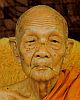
“To whom did you attribute the different formulation of the Four Noble Truths?” Answered by Ajahn Pasanno. [Four Noble Truths] [Ajahn Dune ] // [Ajahn Mun] [Geography/Thailand] [Wat Burapha] [Seclusion] [Personality] [Ajahn Pasanno]
Quote: “Why do you let your mind go out there?” — Ajahn Dune regarding the noise of the elephant festival. [Ajahn Dune ] [Contact]
Reference: Gifts He Left Behind by Ajahn Dune.
9. “Would you please repeat the phrasing of the Four Noble Truths and the mind that you spoke about this morning? (I am grasping and suffering.)” Answered by Ajahn Pasanno. [Four Noble Truths] [Clinging] [Suffering] // [Ajahn Dune]
Reference: Gifts He Left Behind by Ajahn Dune, p. 3.
6. “To whom did you attribute the different formulation of the Four Noble Truths?” Answered by Ajahn Pasanno. [Four Noble Truths] [Ajahn Dune ] // [Ajahn Mun] [Geography/Thailand] [Wat Burapha] [Seclusion] [Personality] [Ajahn Pasanno]
Quote: “Why do you let your mind go out there?” — Ajahn Dune regarding the noise of the elephant festival. [Ajahn Dune ] [Contact]
Reference: Gifts He Left Behind by Ajahn Dune.
3. “Can the experience of an unpleasant contact be experienced at the level of feeling and perception without going into the reactive state which generates a volitional formation?” Answered by Ajahn Pasanno. [Pain] [Contact] [Feeling] [Perception] [Volitional formations]
Quote: “It’s ordinary for light to be bright. It’s ordinary for sound to make noise.” — Ajahn Dune. [Ajahn Dune] [Sense bases] [Seclusion]
3. “What about Luang Por Dune, he looks so mellow; was he ever animated?” Answered by Ajahn Pasanno. [Ajahn Dune] [Personality] // [Ajahn Pasanno] [Culture/Thailand] [Humor]
Reference: Gifts He Left Behind by Ajahn Dune.
3. Story: The Queen invites the best neurosurgeons to help Ajahn Chah in a special suite in Chulalongkorn Hospital. Told by Ajahn Pasanno. [Ajahn Chah] [Sickness] [Royalty] [Health care] // [Saṅgha decision making]
Story: Ajahn Dune occupies the suite after Ajahn Chah. [Ajahn Dune]
5. “Ajahn Pasanno, did I hear correctly the other day that you met Luang Por Dune?” Answered by Ajahn Pasanno. [Ajahn Pasanno] [Ajahn Dune] // [Wat Pah Nanachat] [Wat Burapha] [Personality] [Teaching Dhamma]
6. “His monastery is quite loud, isn’t it?” Answered by Ajahn Pasanno. [Ajahn Dune] [Wat Burapha] [Seclusion]
7. Reading: “It’s Easy if You are not Attached,” Gifts He Left Behind by Ajahn Dune, p. 77. Read by Ajahn Ahiṃsako. [Ajahn Dune] [Wat Burapha] // [Rains retreat]
Quote: “It’s the nature of light to be bright; it’s the nature of noise to be loud.” [Contact ] [Sense restraint] [Discernment]
1. Background information about Ajahn Suwat. Teaching by Ajahn Pasanno. [Ajahn Suwat] // [Ajahn Fun] [Ajahn Mun] [Ajahn Dune]
7. Quote: “Do you still have anger?” “Yes, but I don’t take it.” — Ajahn Dune. Quoted by Debbie Stamp. [Ajahn Dune] [Aversion] [Right Mindfulness]
Response by Ajahn Pasanno. [Ajahn Chah] [Arahant]
Follow-up: “Do we know if the Buddha had anger?” [Buddha] [Tipiṭaka]
Comment: Māra came to the Buddha many times after the Buddha’s enlightenment. Contributed by Ajahn Karuṇadhammo. [Māra] [Buddha/Biography]
Response by Ajahn Pasanno. [Idealism] [Culture/West]
2. “Can you restate Luang Por Dune’s rendering of the Four Noble Truths?” Answered by Ajahn Pasanno. [Ajahn Dune] [Four Noble Truths] // [Thai]
1. Story: Ajahn Dune visits Wat Pah Nanachat. His followers ask the young abbot Ajahn Pasanno to give a Dhamma talk. Told by Ajahn Pasanno. [Ajahn Pasanno] [Wat Pah Nanachat] [Ajahn Dune] [Teaching Dhamma] [Nibbāna]
Story: After the talk, someone asks, “What is Nibbāna like?” Ajahn Pasanno responds, “Nibbāna is not like anything.” Ajahn Dune approves. [Similes] [Ajahn Dune] [Direct experience]
5. Recollections of Ajahn Dune by Ajahn Pasanno and Ajahn Amaro. [Ajahn Dune] [Ajahn Pasanno] [Ajahn Amaro] // [Teaching Dhamma] [Wat Burapha]
Quote: “The noise that comes from the town is just minding its own business. Why do you go out and bother it?” — Ajahn Dune. Quoted by Ajahn Amaro. [Ajahn Dune] [Contact] [Equanimity]
2. “You said that when a negative, unpleasant thought comes up, the noble being doesn’t want it but doesn’t act upon it. Is this taṇhā? Is it a mild form of craving, not wanting the thought?” Answered by Ajahn Amaro. [Proliferation] [Arahant] [Craving] // [Knowledge and vision] [Non-identification] [Ajahn Dune] [Spaciousness]
Suttas: AN 9.7-8: What an arahant can’t do.
5. Comment: [This discussion of ‘Nibbāna is the cessation of becoming’ (AN 10.7)] reminds me of the last testament of a well-known teacher: ‘Rest in purity and evenness and do something for the benefit of others.’ Read by Ajahn Pasanno. [Nibbāna] [Equanimity] [Compassion]
Response by Ajahn Pasanno. [Simplicity]
Reading: “The Safest Way to Dwell,” Gifts He Left Behind by Ajahn Dune, p. 102. [Ajahn Dune]
Quote: “As for me, I dwell with knowing. … Knowing is the normality of mind that’s empty, bright, pure, that has stopped fabricating, stopped searching, stopped all mental motions—having nothing, not attached to anything at all.” [Ajahn Dune] [Knowing itself] [Cessation]
2. “Could you offer some reflections on experiencing mind as mind in the Noble Eightfold Path?” Answered by Ajahn Pasanno. [Eightfold Path] [Chanting] [Chithurst] [Amaravati] [Mindfulness of mind ] // [Noting] [Ajahn Ṭhānissaro] [Nature of mind] [Knowing itself]
Reference: Amaravati Chanting Book, p. 97.
Sutta: MN 10.34: Mindfulness of mind.
Follow-up: “Does this relate to Luang Por Dune’s reformulation of the Four Noble Truths where it says, ‘The mind seeing the mind?’” [Ajahn Dune] [Four Noble Truths] [Mindfulness of mind ]
Reference: Gifts He Left Behind by Ajahn Dune, p. 3.
Quote: “An inward-staying unentangled knowing.” — Upāsikā Kee Nanayon. [Upāsikā Kee Nanayon]
14. “Sometimes we hear that with practice, some qualities change, but other qualities don’t change very much over a long time of practice. When I read certain biographies [of Buddhist teachers], it seems like certain rough qualities can remain even though the mind is pure. How to know the difference in oneself and others?” Answered by Ajahn Pasanno. [Long-term practice] [Personality ] [Teachers] [Fierce/direct teaching] [Unskillful qualities] // [Suffering] [Unwholesome Roots] [Relinquishment] [Hindrances]
Ajahn Pasanno describes the personality of great teachers he has met. [Ajahn Mahā Boowa] [Ajahn Thate] [Ajahn Dune] [Ajahn Chah]
Reflection: The arahant disciples of the Buddha were able to free their minds, but they all had different personalities. [Arahant] [Buddha] [Great disciples ]
Sutta: SN 14.15 Caṅkama Sutta: Monks with different personalities gather around the great disciples.
Note: Ajahn Pasanno mentions the similarly-themed Cūḷagosiṅga Sutta (MN 31) by name, but describes the content of the Caṅkama Sutta.