
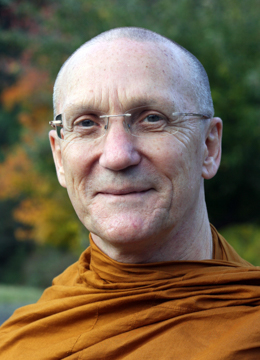
“I’m curious about your pre-monastic life and specifically what led you to the monastic life.” Answered by Ajahn Pasanno. [Ajahn Pasanno ] [Monastic life/Motivation] // [Temporary ordination] [Ajahn Chah] [Wat Pah Pong]
Quote: “If you want to stay here, you have to stay at least five years.” — Ajahn Chah to Ajahn Pasanno. [Ajahn Pasanno ] [Sequence of training]
Tudong Stories at Spirit Rock [2011], Session 2, Excerpt 11
“Would you be willing to share memories of Ajahn Chah?” Answered by Ajahn Pasanno. [Ajahn Chah] // [Ajahn Pasanno ] [Temporary ordination] [Personality] [Not-self] [Equanimity]
When asked about the core essence of the Buddha’s teachings, Ajahn Chah replies, “Is this a big stick or a little stick?” [Teaching Dhamma] [Conventions] [Cause of Suffering]
Story: Ajahn Chah pretends to forget simple questions in order to embarrass his translator. [Ajahn Pasanno ] [Forest versus city monks] [Media] [Aversion] [Questions] [Translation] [Similes]
Recollection: Ajahn Pasanno writes to his family that he’s staying in Thailand because Ajahn Chah is peaceful, solid, clear, and unshakeable in the midst of all that’s going on around him. [Ajahn Pasanno ] [Family] [Tranquility] [Clear comprehension]
Madison Insight Retreat 2023, Session 3, Excerpt 4
“How did you come to be abbot of Wat Pah Nanachat?” Answered by Ajahn Pasanno. [Wat Pah Nanachat] [Abbot] [Ajahn Pasanno ] // [Ajahn Sumedho] [Ajahn Jāgaro] [Ajahn Puriso] [Ajahn Brahmavaṃso] [Wat Keuan] [Ajahn Chah]
Follow-up: “How did you feel about it?” [Ajahn Pasanno ] [Culture/West] [Fear] [Trust]
Following the Path of a Forest Monk [2023], Excerpt 8
“How did you come to join Ajahn Amaro as co-abbot of the newly established Abhayagiri Monastery in California?” Answered by Ajahn Pasanno. [Ajahn Amaro] [Abbot] [Abhayagiri] [Ajahn Pasanno ] // [Saṅghapāla] [Ajahn Sumedho] [Jack Kornfield] [Elders' Council] [Chithurst]
Following the Path of a Forest Monk [2023], Excerpt 12
“In 2018 you stepped away from the role of abbot of Abhayagiri, passing the role to Ajahn Karuṇadhammo and Ajahn Ñāṇiko. Both these monks are American and have mostly trained in the United States at Abhayagiri. How do you feel about this milestone?” Answered by Ajahn Pasanno. [Abhayagiri] [Abbot] [Retirement] [Ajahn Karuṇadhammo] [Ajahn Pasanno ] [Ajahn Ñāṇiko] [History/Western Buddhist monasticism] [Culture/West] // [Monastic life]
Following the Path of a Forest Monk [2023], Excerpt 17
“After forty years of meditating, what do you still find that is interesting?” Answered by Ajahn Pasanno. [Ajahn Pasanno ] [Long-term practice] // [Mindfulness of breathing] [Gladdening the mind] [Learning]
Quote: “Practicing Dhamma … sometimes it’s difficult, but it’s always interesting.” [Practicing in accordance with Dhamma] [Purpose/meaning]
2015 Thanksgiving Monastic Retreat, Session 7, Excerpt 10
“What makes you keep on moving?” Answered by Ajahn Pasanno. [Ajahn Pasanno ] [Energy] // [Liberation] [Human]
Interreligious Retreat-Seminar on Dhamma and Non-duality [2023], Session 1, Excerpt 4
1. Ajahn Amaro introduces Ajahn Pasanno. [Ajahn Pasanno] [Ajahn Chah] // [Abhayagiri] [Wat Pah Nanachat]
2. Story: How I met Ajahn Chah. Told by Ajahn Pasanno. [Ajahn Pasanno] [Ajahn Chah] // [Types of monks] [Wat Pah Pong] [Seclusion]
Quote: “If you want to stay here, you have to be here for five years.” — Ajahn Chah. [Ajahn Pasanno] [Sequence of training]
5. The sea of faith in Northeast Thailand. Recollection by Ajahn Pasanno. [Faith] [Culture/Thailand ] [Ajahn Chah] // [Poverty] [Culture/Natural environment] [Geography/Thailand] [Thai Forest Tradition] [Self-reliance] [Patience] [Teaching Dhamma] [Suffering]
In Central Thailand, lay people don’t come to the monastery on observance days. [Lay life] [Lunar observance days] [Ajahn Pasanno] [Tudong]
8. Ajahn Chah used the forest environment to train us. Reflection by Ajahn Pasanno. [Culture/Natural environment ] [Teaching Dhamma] [Ajahn Chah] // [Pace of life]
Story: Two mating lizards fall out of a tree. [Almsround] [Ajahn Pasanno] [Animal] [Sensual desire] [Suffering]
3. You weren’t there to prepare for something else. Reflection by Paul Breiter. [Teaching Dhamma] [Ajahn Chah] // [Sequence of training] [Everyday life] [Disrobing] [Kamma] [Monastic life] [Ascetic practices] [Suffering] [Happiness] [Saṃsāra]
Quote: “Talk about the benefits of lay life. … on paper you can make a good case for it. In practice it’s a constant challenge just to keep your head above water and remember how you’re supposed to deal with things. I urge people in robes to stay there.” [Lay life] [Right Action]
Quote: “Ajahn Pasanno doesn’t want me sending everyone to ordain with him, but I think you do better following his way than my way.” [Ajahn Pasanno] [Paul Breiter]
3. Ajahn Chah’s illness: his last teaching. Reflection by Paul Breiter. [Sickness] [Teaching Dhamma] [Ajahn Chah] // [Paul Breiter] [Health care] [Grief] [Ajahn Pasanno] [Respect for elders] [Monastic life] [Saṅgha] [Upatakh] [Almsfood] [Mutual lay/Saṅgha support]
1. Story: My experiences with Ajahn Chah. Told by Nan Meister. [Gratitude] [Faith] [Ajahn Chah] // [Ajahn Liem] [Suffering] [Commerce/economics] [Spiritual urgency] [Joseph Kappel] [Bowing] [Wat Pah Pong] [Mae Chee Kumfah] [Ajahn Pasanno] [Wat Pah Nanachat] [Mae Chee] [Ghost] [Conceit] [Fierce/direct teaching]
1. Ajahn Amaro introduces Joseph Kappel and Ajahn Pasanno. [Joseph Kappel] [Ajahn Pasanno] [Ajahn Chah] // [Health care] [Funerals]
7. Story: Mute, wheelchair-bound Ajahn Chah meets a mother and her young son. Told by Ajahn Pasanno. [Sickness] [Children] [Bowing] [Compassion] [Ajahn Chah] // [Health care] [Joseph Kappel] [Ajahn Pasanno]
1. Reflection by Ajahn Pasanno: Long-term effective strategies for dealing with pain. [Pain ] [Long-term practice] [Mindfulness of breathing] [Mindfulness of feeling] // [Mindfulness] [Ajahn Pasanno] [Aversion]
2. Simile: Ill-will is like being sick. (MN 39.14) — Ajahn Pasanno. [Ill-will ] [Hindrances] [Similes] // [Ajahn Pasanno] [Sickness] [Happiness]
1. Meditation instruction: Be present with the physical experience of the breath. Bring a sense of ease into the body. Ground awareness in the body. Offered by Ajahn Pasanno. [Mindfulness of breathing] [Mindfulness of body]
Quote: Keeping the breath in mind is like getting the spoon into the mouth and the mouth onto the spoon. — Ajahn Lee Dhammadharo. [Ajahn Lee Dhammadharo] [Similes]
Story: “The body understands!” [Direct experience] [Zen] [Koan] [Ajahn Pasanno]
Body and mind are not separate things. [Body/form] [Heart/mind] [Aggregates ] [Dependent origination] [Consciousness]
Water similes for the mind with and without hindrances. (SN 46.55) [Hindrances] [Sensual desire] [Ill-will] [Sloth and torpor] [Restlessness and worry] [Doubt]
Sutta: DN 2.98: “These are shoals of fish …”
Quote: “You can get a lot of wisdom from walking meditation.” — Ajahn Chah. [Ajahn Chah] [Posture/Walking] [Discernment]
3. Story: “I’m not very peaceful, but I don’t have any excuses anymore.” Told by Ajahn Pasanno. [Unwholesome Roots] [Mindfulness of mind] // [Poo Jum Gom] [Ajahn Pasanno] [Culture/Natural environment]
3. Reflection by Ajahn Pasanno: If this were the last moment of my life, is this the kind of mental state I want to carry into death? [Recollection/Death] [Dispassion] // [Mindfulness of breathing] [Ajahn Pasanno]
5. Story: A group of Thai villagers are afraid to dig up their dead in order to conduct funeral rites. Told by Ajahn Pasanno. [Funerals] [Fear] [Death] [Recollection/Death] [Dispassion] // [Ajahn Pasanno] [Dtao Dum]
1. Recollection: Total relinquishment was a characteristic of Ajahn Chah’s practice. Recounted by Ajahn Pasanno. [Ajahn Chah] [Relinquishment ] // [Ajahn Pasanno] [Dhamma]
5. “How would you describe the jhāna states and do you teach this kind of meditation?” Answered by Ajahn Pasanno. [Jhāna] [Ajahn Pasanno] // [Concentration] [Energy] [Clear comprehension] [Knowledge and vision] [Ajahn Chah] [Relinquishment] [Craving] [Conceit]
6. “When there is a lot of pain in the body, it is difficult to maintain ‘right effort,’ yet sometimes through patient endurance the pain lessens or dissipates. Could you speak about right effort and the connection between right effort and samādhi?” Answered by Ajahn Pasanno. [Pain ] [Right Effort] [Patience] [Concentration] // [Skillful qualities] [Unskillful qualities] [Fear] [Aversion] [Discernment] [Naturalness]
Recollection: Ajahn Pasanno learned from pain and illness in his early monastic life. [Ajahn Pasanno] [Sickness] [Monastic life]
8. Quote: “I appreciate people’s questions. I enjoy the questions, and I never quite know what’s going to come out when people present a question. It’s interesting to me as well.” — Ajahn Pasanno. [Questions ] [Ajahn Pasanno]
2. “What happens when someone carefully builds the fire, but it turns into a forest fire–uncontrollable–and the person experiences mania, delusions, and paranoia? What is the spiritual treatment?” Answered by Ajahn Pasanno. [Mental illness] [Delusion] // [Precepts] [Association with people of integrity] [Generosity] [Becoming] [Medicinal requisites] [Thai] [Work]
Quote: “One of the first spiritual treatments is to get them to stop meditating.” [Meditation]
Recollection: Ajahn Pasanno learned by experience that meditation is not a panacea. [Ajahn Pasanno] [Wat Pah Nanachat]
1. “Realized beings abound these days. Care to comment? When the conditions are conducive and the inquiry is in earnest, is it possible to wake up quickly?” Answered by Ajahn Pasanno. [Stages of awakening] [Saṅgha] [Progress of insight] [Ardency] [Conditionality] // [Patience] [Ajahn Pasanno]
Quote: “Buddhism hasn’t come to America yet.” — Ajahn Chah. [Ajahn Chah] [Culture/West] [Insight Meditation Society]
10. “Would you share some of your personal journey, including the time before you became a monk, and why you became a monk, and how the holy life can help people grow and change?” Answered by Ajahn Pasanno. [Ajahn Pasanno] [Monastic life/Motivation] [Monastic life] [Long-term practice ] // [Culture/West] [Travel] [Culture/Thailand]
Story: Ajahn Pasanno begins meditation with a month-long Mahasi Sayadaw retreat. [Ajahn Pasanno] [Meditation retreats] [Mahasi Sayadaw] [Devotion to wakefulness] [Fierce/direct teaching]
Story: Ajahn Pasanno’s first visit to Wat Pah Pong. [Ajahn Pasanno] [Ordination] [Ajahn Chah] [Wat Pah Pong]
Quote: “If you want to stay here, you have to stay at least five years.” — Ajahn Chah. [Ajahn Pasanno] [Sequence of training]
Reflection: “Five years is five years. I’ll go back and give myself to Ajahn Chah.” — Ajahn Pasanno [Ajahn Pasanno] [Relinquishment] [Mentoring]
Quote: “There’s no such thing as the ideal monastic or the ideal practitioner.” [Idealism] [Lay life] [Faith] [Disrobing] [Suffering] [Energy] [Patience]
11. “It’s been so helpful to hear stories from your own experience. Could you talk about some of the more challenging moments in your practice and how you worked with them?” Answered by Ajahn Pasanno. [Gratitude] [Ajahn Pasanno] [Long-term practice] // [Doubt ] [Patience]
Quote: “It’s not me resolving doubt, but it’s allowing the practice or the Dhamma to work.” [Self-identity view] [Dhamma] [Practicing in accordance with Dhamma] [Faith] [Three Refuges]
Simile: “Getting in the vehicle and allowing it to carry you.” [Similes]
12. “What is the Pāli word for letting go or relinquishment? Is this the opposite of upādāna?” Answered by Ajahn Pasanno. [Pāli] [Relinquishment] [Clinging] // [Release] [Progress of insight ] [Ajahn Pasanno]
Sutta: MN 37: Sabbe dhammā nālaṃ abhinivesāya–All dhammas are not to be clung to. [Conditionality]
Sutta: SN 46.1: … based upon seclusion, dispassion, and cessation, maturing in release.
Sutta: MN 118.21: Ānāpānasati Sutta [Mindfulness of breathing]
14. “Do you think being introduced to Buddhism guided you to the contemplative life or would you have become a monk in any tradition?” Answered by Ajahn Pasanno. [Ajahn Pasanno] [Monastic life] [Spiritual traditions] // [Meditation]
Story: Ajahn Pasanno’s aunt remembers that he said he wanted to be a priest when he was young. [Ajahn Pasanno]
16. “I had an experience yesterday in which I may have seen a group of beings above us, particularly above you. … I don’t think I’m crazy, but I’m very interested in what the Dhamma says about otherworldly/non-material beings.” Answered by Ajahn Pasanno. [Deva] [Goodwill] [Compassion] [Mental illness] // [Ajahn Pasanno] [Culture/Thailand] [Realms of existence] [Culture/Natural environment]
Recollection: Spirits at Wat Pah Nanachat would request Ajahn Pasanno to dedicate merit. [Ajahn Pasanno] [Wat Pah Nanachat] [Funerals] [Ghost] [Merit]
Quote: “They always had to use an intermediary because I was thick, thick, thick.” [Ajahn Pasanno] [Psychic powers]
Story: Ajahn Plien declares Casa Serena free of ghosts. [Ajahn Plien] [Abhayagiri] [Rebirth]
1. “In the palm reader story, you mentioned that Ajahn Chah still had a lot of anger, but he chose not to act from it. So does this mean that if there was a troublesome monk, Ajahn Chah would still experience a flare of anger but have the wisdom to set it aside and consider what to do with a cool head? This sounds similar to something Ram Das said about his practice. …” Answered by Ajahn Pasanno. [Ajahn Chah] [Aversion ] [Discernment] [Ram Dass] [Unwholesome Roots] // [Personality] [Kamma]
Story: Ajahn Jayasaro is massaging Ajahn Chah’s feet when a monk undergoing a disciplinary procedure walks by. [Ajahn Jayasaro] [Vinaya] [Fierce/direct teaching] [Emotion]
Story: Ajahn Pasanno observes Ajahn Mahā Boowa’s fierce behavior. [Ajahn Mahā Boowa] [Arahant] [Ajahn Pasanno] [Rapture] [Goodwill]
Quote: “You never quite knew. … You were always very careful around [Ajahn Chah] because you never knew which side was going to come out. It wasn’t as if he was just playing with you, but he always responded to the situation or the person.” [Heedlessness] [Personal presence] [Teaching Dhamma]
3. “Reflecting on your 35 years in robes, do you have any strong lessons that stand out?” Answered by Ajahn Pasanno. [Ajahn Pasanno] [Monastic life] [Long-term practice] [Discernment] // [Patience ] [Ajahn Chah] [Virtue] [Meditation retreats]
Quote: “Oftentimes we don’t really recognize the goodness that we’re doing.” [Perfectionism] [Judgementalism]
Quote: “Patience isn’t just enduring. It’s being able to be present with experience.” [Direct experience] [Present moment awareness]
10. “What does Pasanno mean?” Answered by Ajahn Pasanno. [Ajahn Pasanno] [Translation] // [Faith]
Story: Why Ajahn Pasanno’s name is mispronounced. [Ajahn Pasanno] [Wat Pah Nanachat]
11. “Can I give a metta hug to the cute little Ajahn?” Answered by Ajahn Pasanno. [Goodwill] [Ajahn Pasanno]
16. “What could American culture learn from Thai culture?” Answered by Ajahn Pasanno. [Culture/West] [Culture/Thailand ] // [P. A. Payutto] [Ajahn Pasanno] [Cultural context]
Quote: “Mai bpen rai.”
Quote: “’If there was a culture that was steeped in Buddhism, that would really solve all the problems of the world.’ No it wouldn’t. There are still human beings there. They’ll create suffering wherever they go.” [Politics and society] [Human] [Suffering]
1. Recollection: My connection with Ajahn Chah. Recounted by Ajahn Pasanno. [Ajahn Pasanno] [Ajahn Chah] // [Wat Pah Pong]
Quote: “If you want to stay here, you have to stay at least five years.” — Ajahn Chah. [Ajahn Pasanno] [Sequence of training]
Jack Kornfield arrives with a large picture of Ajahn Chah. [Jack Kornfield]
Story: The needlepoint Ajahn Chah portrait at Abhayagiri. [Abhayagiri] [Wat Pah Nanachat] [Devotional practice]
2. “Did you as a Westerner have any difficulties meeting Ajahn Chah either with Buddhism or with Thailand? How did it get resolved or did it get resolved?” Answered by Ajahn Pasanno. [Culture/West] [Theravāda] [Culture/Thailand] [Ajahn Chah]
Story: Ajahn Chah replies evasively when asked three straightforward questions to teach his translator (Ajahn Pasanno) a lesson. [Ajahn Pasanno] [Aversion] [Questions] [Simplicity] [Teaching Dhamma] [Food] [Suffering]
3. “As an abbot taking care of a community, how do you handle it when a kerfluffle comes up?” Answered by Ajahn Pasanno. [Abbot] [Ajahn Pasanno] [Community] [Conflict ] // [Patience] [Views] [Skillful qualities] [Four Noble Truths]
Follow-up: “What are the antidotes to the next two Noble Truths?”
1. “What can we say to someone who is terminally ill? It seems the living can only offer sympathy. When I try to think of some way to comfort their mind, my words seem so out of touch and trivial.” Answered by Ajahn Pasanno. [Death] [Right Speech] // [Fear] [Recollection/Death] [Compassion] [Ajahn Pasanno]
Sutta: AN 5.57: Five Subjects for Frequent Recollection; (Chanting Book translation).
Quote: “You can’t go with a program you’ve thought out ahead of time.”
6. “Do you think it’s possible to have fear decrease by coming back to the breath?” Answered by Ajahn Pasanno. [Fear] [Mindfulness of breathing] // [Tranquility] [Mindfulness of body] [Hindrances]
Story: Ajahn Pasanno smells a tiger on the walking path. [Ajahn Pasanno] [Animal] [Posture/Walking] [Dtao Dum]
Sutta: MN 4.20: Fear and Dread.
8. “Can you offer some more suggestions about dealing with sleepiness when it is very strong?” Answered by Ajahn Pasanno. [Sloth and torpor] // [Postures] [Energy] [Posture/Walking] [Posture/Standing] [Wat Pah Nanachat]
Story: An hour walking, an hour standing, and an hour sitting. [Wat Sai Ngam (Suphanburi)] [Monastic routine] [Ajahn Pasanno]
5. “Ajahn, can you see into our minds?” Answered by Ajahn Pasanno. [Ajahn Pasanno] [Psychic powers]
10. “Can you speak about intuitive/esoteric meditation?” Answered by Ajahn Pasanno. [Meditation/Techniques] // [Ajahn Pasanno]
Sutta: SN 47.9.4: The Buddha never taught with a closed fist. [Teaching Dhamma]
7. “My breath seems to have a mind/ego of its own. Whenever I start to pay attention to it, it will breathe unnaturally. Sometimes my breathing gets laborious. Lately I even have a hard time breathing naturally when I’m not sitting. How do I approach my breath gently so that it won’t mind me watching it?” Answered by Ajahn Pasanno. [Mindfulness of breathing] [Meditation/Unusual experiences] // [Present moment awareness] [Tranquility]
Story: When he was a young monk, Ajahn Pasanno’s breath became comfortable after he stopped meditating. [Ajahn Pasanno]
13. “If the Buddha were alive today, what question would it be most important for you to ask of him?” Answered by Ajahn Pasanno. [Buddha] [Ajahn Pasanno] // [Meditation]
7. “It seems that letting go is a process, and it doesn’t happen quickly. Is this true for you, or can you let go immediately?” Answered by Ajahn Pasanno. [Relinquishment] [Ajahn Pasanno]
10. “Can, and if so, how, may one formally take refuge as your lay disciple? Do you think it is useful if one is genuine and sincere about it?” Answered by Ajahn Pasanno. [Ceremony/ritual] [Teachers] [Lay life] [Three Refuges] // [Buddha/Biography] [Ordination]
Quote: “As we continue to explore these refuges, it forms the core or kernel of liberation.” [Liberation]
Recollections of Ajahn Mahā Boowa responding to Dhamma questions by mail. [Ajahn Mahā Boowa] [Teaching Dhamma] [Fierce/direct teaching] [Ajahn Pasanno]
12. “Kindly share another story of Ajahn Chah. They delight and inspire.” Answered by Ajahn Pasanno. [Ajahn Chah] [Stories]
Story from Ajahn Chah: Two mating lizards fall out of a tree. [Ajahn Pasanno] [Almsround] [Sensual desire] [Drawbacks]
Quote: “Is it suffering?” — Ajahn Chah. [Ajahn Pasanno] [Admonishment/feedback]
14. “I can know and let go of a past hurt, but what is a good Buddhist to do when the hurt is direct and in your face? For example, repeated verbal abuse by my partner? Lovingkindness can only go so far.” Answered by Ajahn Pasanno. [Relinquishment] [Abuse/violence ] [Buddhist identity] [Harsh speech] [Relationships] [Goodwill] // [Buddha/Biography] [Vinaya] [Admonishment/feedback]
Ajahn Pasanno recounts the mistakes he made admonishing monks as a new abbot. [Ajahn Pasanno] [Abbot] [Fierce/direct teaching] [Right Speech]
Recollection: Ajahn Chah was the person with the most lovingkindness I ever met, but if somebody was out of line, they would know about it. [Ajahn Chah]
Story: Ajahn Chah admonishes a big Western monk. [Truth]
2. “Ajahn, how are you doing? Is teaching a retreat as busy as being involved at the monastery? It is so pleasant to have a group of monastics here. Chanting and the whole energy is like sweet medicine. Wishing you all well, and thank you so much for coming here.” Answered by Ajahn Pasanno. [Ajahn Pasanno] [Meditation retreats] [Teaching Dhamma] [Monastic life] [Gratitude]
3. “I am wondering about how to address social anxiety. For me it seems important in terms of continuity of practice. However, I’ve never heard any teachings about it. Did the Buddha ever teach talking meditation or some equivalent?” Answered by Ajahn Pasanno. [Community] [Fear] [Right Speech] // [False speech] [Ajahn Pasanno] [Mindfulness of body] [Tranquility]
Sutta: MN 10.8. [Clear comprehension]
Story: Ajahn Pasanno gives a talk during his first trip back to Canada. [Ajahn Pasanno]
18. “Thank you for your patience and assistance to fearlessly enter the dark an untamed forest of our minds. What or how would you suggest in terms of habits and practices that we may skillfully observe or interact with the sleepy mind?” Answered by Ajahn Pasanno. [Sloth and torpor] // [Mindfulness of breathing] [Continuity of mindfulness] [Posture/Lying down]
Quote: “Did you fall asleep on the in-breath or the out-breath?” — Ajahn Chah. [Ajahn Chah]
Story: Ajahn Pasanno places glasses of water around his body to cultivate mindfulness while sleeping. [Ajahn Pasanno] [Determination] [Rains retreat] [Mindfulness]
20. “I could use some practical tips from the Buddhist perspective on decision making. When faced with a decision, I tend to get overwhelmed and freeze up. This can be with big life decisions and even with what meditation object to use. I feel like I have so many choices; this feels like a blessing and a curse.” Answered by Ajahn Pasanno. [Everyday life] [Doubt] [Discernment] // [Culture/West] [Ajahn Pasanno] [Mindfulness of body]
6. “Whenever I try mindful breathing when trying to fall asleep, I get really alert and can’t fall asleep. What is your advice?” Answered by Ajahn Pasanno. [Mindfulness of breathing] [Devotion to wakefulness ] // [Tranquility] [Ajahn Pasanno] [Wat Pah Nanachat] [Time management]
Quote: “That mindfulness is also a resting.” [Mindfulness]
Story: Ajahn Pasanno meets a monk who didn’t sleep for a month. [Tudong] [Seclusion] [Rains retreat] [Concentration]
7. “What do you think about caffeine consumption? I have a love/hate relationship with this substance, leaning towards dependency. It is socially acceptable, but I wonder sometimes. It can have quite an effect on the mind.” Answered by Ajahn Pasanno. [Medicinal requisites] [Addiction] // [Ajahn Pasanno]
19. “Could you share a story or reflection about your young disciple Todd?” Answered by Ajahn Pasanno. [Children] // [Sickness] [Ajahn Pasanno] [Generosity] [Health care] [Death] [Dreams]
Reference: Like a River: The Life of a Boy Named Todd by Ajahn Pasanno.
Stories about Todd’s generosity and purity of heart.
21. “As I understand Ajahn Sumedho in The Sound of Silence and Stephen Batchelor, they do not believe in rebirth or reincarnation in a literal sense. What is your belief and understanding in regards to this? Stephen in particular says this is a holdover from the society the Buddha was born into and not really his teaching. He also comments that the Buddha was more interested in creating a new civilization than individual enlightenment. Please comment.” Answered by Ajahn Pasanno. [Ajahn Sumedho] [Stephen Batchelor] [Rebirth] [Ajahn Pasanno] [Culture/India] [Buddha/Biography] [Politics and society] // [Sutta] [Teaching Dhamma] [Liberation]
Vinaya: Mahāvagga 1.6: The Buddha’s activities after his Awakening.
25. “What is the funniest story from your life as a monk? We humans love stories.” Answered by Ajahn Pasanno. [Humor] [Ajahn Pasanno] [Monastic life]
31. “I think about sharing the Dhamma with my family. Any suggestions on where to start? Has your family taken to the teachings since you’ve been on the path?” Answered by Ajahn Pasanno. [Teaching Dhamma] [Family ] [Ajahn Pasanno] // [Habits] [Non-contention] [Renunciation] [Amaravati]
Story: Ajahn Pasanno’s sister and her six-week-old baby attend his first meditation retreat in Canada. [Ajahn Pasanno] [Meditation retreats]
1. Story: Ajahn Pasanno attempts tudong in California. Told by Ajahn Pasanno. [Ajahn Pasanno] [Abhayagiri] [Tudong] // [Ageing] [Health]
7. Story: Ajahn Supah chooses tudong over further studies. Told by Ajahn Pasanno. [Ajahn Supah] [Culture/Thailand] [Study monks] [Learning] [Tudong] // [Liberation] [Goodwill] [Simplicity] [Virtue] [Recollection/Virtue]
Story: Ajahn Pasanno’s mother cries when she meets Ajahn Supah. [Ajahn Pasanno] [Faith] [Rapture]
Story: A python begins to eat Ajahn Supah. [Animal] [Determination]
4. “Can the practice be used in a punitive or punishing way?” Answered by Ajahn Pasanno. [Guilt/shame/inadequacy] // [Culture/West] [Habits] [Clear comprehension] [Craving not to become]
Quote: “Having a human mind … It’s amazing how perverse it can be sometimes.” [Human] [Unwholesome Roots]
Story: Ajahn Pasanno can’t translate guilt into Thai. [Ajahn Pasanno] [Translation] [Culture/Thailand] [Suffering]
Quote: “All you need to do is create a cage of mindfulness around [unskillful habits].” — Ajahn Chah. [Ajahn Chah] [Sense restraint] [Mindfulness] [Unskillful qualities] [Similes]
Follow-up: “What about letting the tiger go instead of keeping it in a cage?”
Follow-up: “What about the case when one feels one is the tiger trapped in a metaphorical cage. How to escape?” [Liberation] [Perception] [Self-identity view] [Spiritual friendship]
6. “Could you tell of your personal experience with a tiger?” Answered by Ajahn Pasanno. [Ajahn Pasanno] [Animal] [Tudong]
Story: Ajahn Pasanno hears and smells a tiger while doing walking meditation. [Ajahn Pasanno] [Dtao Dum] [Culture/Natural environment] [Posture/Walking] [Fear] [Death] [Impermanence] [Mindfulness] [Clear comprehension]
Sutta: MN 4: Fear and Dread
11. “I’m curious about your pre-monastic life and specifically what led you to the monastic life.” Answered by Ajahn Pasanno. [Ajahn Pasanno ] [Monastic life/Motivation] // [Temporary ordination] [Ajahn Chah] [Wat Pah Pong]
Quote: “If you want to stay here, you have to stay at least five years.” — Ajahn Chah to Ajahn Pasanno. [Ajahn Pasanno ] [Sequence of training]
13. “To what extent is spreading the teachings part of the tudong tradition?” Answered by Ajahn Pasanno. [Teaching Dhamma] [Tudong] // [Culture/Thailand]
Vinaya: Mahāvagga 1.23: Venerable Assaji’s demeanor inspires Sāriputta. [Great disciples] [Perception of a samaṇa]
Story: Ajahn Pasanno goes tudong and is asked for lottery numbers. [Ajahn Pasanno]
4. Story: Ajahn Chah struggles through lust with patience. Told by Ajahn Pasanno. [Ajahn Chah] [Sensual desire ] [Patience] [Tudong] // [Ajahn Pasanno] [Human] [Meditation/Techniques] [Impermanence]
Quote: Ajahn Chah to biographer: “If you don’t put that in the book, don’t bother printing it.” [Dhamma books]
Quote: “If you ordain as a monk, your defilements ordain with you.” — Ajahn Chah. [Monastic life] [Unwholesome Roots]
6. Story: How Ajahn Pasanno became abbot of Wat Pah Nanachat. Told by Ajahn Pasanno. [Ajahn Pasanno] [Wat Pah Nanachat] [Abbot] [Tudong] // [Ajahn Chah] [Saṅgha decision making]
7. Story: Ajahn Pasanno’s tudong practice. Told by Ajahn Pasanno. [Ajahn Pasanno] [Seclusion] [Tudong] // [Meditation] [Sickness] [Ajahn Amaro] [Abhayagiri] [Patience]
8. Story: Ajahn Pasanno gets a foot infection on tudong. Told by Ajahn Pasanno. [Ajahn Pasanno] [Sickness] [Culture/Thailand] [Health care] [Tudong] // [Killing] [Goodwill]
9. Story: Ajahn Pasanno loses his vision on tudong. Told by Ajahn Pasanno. [Ajahn Pasanno] [Sickness] [Health care] [Tudong] // [Patience] [Seclusion] [Dtao Dum]
1. “How can one enjoy meditation when one’s knees are on fire?” Answered by Ajahn Pasanno. [Meditation] [Happiness] [Pain ] // [Ajahn Pasanno] [Posture/Sitting] [Body/form] [Mindfulness of breathing] [Visualization] [Discernment]
Story: The monks at Winchester Cathedral used props during long chanting sessions. [Christianity] [Posture/Standing] [Chanting]
13. “Do you ever work with the ‘thin line’ between sleep and waking, dreaming and lucidity? It seems like a powerful or useful fulcrum.” Answered by Ajahn Pasanno. [Ajahn Pasanno] [Devotion to wakefulness ] [Dreams] // [Continuity of mindfulness] [Posture/Lying down] [Determination]
2. “Do you have any ghost story at Wat Pah Nanachat?” Answered by Ajahn Pasanno. [Ghost ] [Wat Pah Nanachat] // [Funerals]
Story: The mother of a girl killed in an accident dedicates merit with the wish that her daughter be reborn in the family. The girl’s ghost haunts Wat Pah Nanachat. [Ajahn Pasanno] [Death] [Rebirth] [Family] [Merit] [Clinging]
10. “Thank you for teaching that listening to Dhamma is a spiritual practice, not just information download. When you opened your heart to Ajahn Chah, even though you couldn’t understand his words, would you say that was a sort of Dhamma transmission directly from one heart to another?” Answered by Ajahn Pasanno. [Hearing the true Dhamma] [Ajahn Chah] [Ajahn Pasanno] [Teaching Dhamma] // [Buddha]
9. “If Ajahn Pasanno could go back in time and give a word of advice to Ven. Pasanno on the day of his ordination, what would he say?” Answered by Ajahn Pasanno. [Ajahn Pasanno] [Ordination] // [Questions ] [Ajahn Chah] [Sickness]
13. “Is there a chant or a few lines that you can suggest to provide a smooth transitional bridge from chanting something such as Salutation to the Triple Gem (Amaravati Chanting Book, p. 9) into meditating on the breath? I feel disconnected: inspired by the meaning of the chant and then suddenly I’m focusing on my breath. Did the Buddha have a few powerful verses reminding us of the power of breath meditation?” Answered by Ajahn Pasanno. [Chanting ] [Mindfulness of breathing] // [Three Refuges] [Recollection/Buddha] [Impermanence] [Ajahn Pasanno] [Pāli] [Memory] [Dhamma online]
Sutta: MN 118.15: 16 steps of mindfulness of breathing; Amaravati Chanting Book, p. 85 has both Pāli and English.
19. “What to do when the meditation practice seems dry and barren, a tedious, joyless exercise?” Answered by Ajahn Pasanno. [Meditation] [Attitude] // [Ajahn Pasanno] [Recollection/Saṅgha] [Dhamma books] [Ajahn Chah] [Stories]
Story: Ajahn Chah tries to make the practice even by walking for two hours, sitting for two hours, lying for two hours, and standing for two hours (Collected Teachings of Ajahn Chah, p. 29). [Postures]
24. “I’ve noticed that my heart is really open in the evenings. Will you lead us in a metta meditation one of these evenings?” Answered by Ajahn Pasanno. [Goodwill] [Rains retreat] // [Ajahn Pasanno]
Quote: “I’m a morning person.” [Ajahn Pasanno]
5. “Was Ajahn Chah an arahant? How can one tell when someone’s work is done? Also, is it inappropriate to ask one’s teacher if they are a stream enterer, once-returner, etc.?” Answered by Ajahn Pasanno. [Ajahn Chah] [Arahant ] [Teachers] [Stages of awakening] // [Suffering] [Unwholesome Roots]
Quote: “To me, I’m more like a tree that birds can come and feed in. … [What they say] I am is just the chattering of the birds.” — Ajahn Chah. [Similes] [Teaching Dhamma]
Sutta: AN 4.192: Discerning another person’s wisdom. [Discernment]
Recollections of mistaken estimates of enlightenment. [Ajahn Pasanno] [Delusion] [Relics]
13. “Did anyone ever need a knee replacement as a result of being on retreat? Is it okay to set up a few more chairs? Metta to knees everywhere.” Answered by Ajahn Pasanno. [Health] [Meditation retreats] [Posture/Sitting] [Goodwill] // [Pain] [Ajahn Pasanno]
19. “Did you know Ajahn Paññāvaḍḍho? I saw the DVD about him that Abhayagiri offers and listened to some of his Dhamma talks and was touched by how gentle he seemed. Is it true that a rainbow appeared during the cremation of his body?” Answered by Ajahn Pasanno and Ajahn Yatiko. [Ajahn Paññāvaḍḍho ] [Ajahn Pasanno] [Funerals] // [Ajahn Mahā Boowa] [Hampstead Vihara] [Wat Pah Ban Tat]
20. “Can you offer some inspiration to the group as to observing the Eight Precepts on the Uposatha Days? I’ve been observing every quarter moon, and it would be comforting to know that I’m part of a larger group. Please reflect on the value of restraint outside the retreat environment.” Answered by Ajahn Pasanno. [Eight Precepts] [Lunar observance days ] [Sense restraint] [Everyday life] // [Culture/Thailand] [Wat Pah Pong] [Wat Pah Nanachat]
Story: Ajahn Pasanno’s first Uposatha Day at Wat Pah Pong. [Ajahn Pasanno] [Lay life]
Sutta: AN 8.41: “Suppose the lay people spent a day and a night living like the arahants.” [Arahant]
29. “Can you give us a short bio on each of you please?” [Western Ajahn Chah lineage] // [Birth] [Monastic life/Motivation]
Ajahn Yatiko is on his way to Tibet, but two Thai men in a restaurant persuade him to visit Wat Pah Pong. [Travel] [Vajrayāna] [Wat Pah Pong] [Ajahn Pasanno] [Wat Pah Nanachat] [Ajahn Sumedho] [Ordination] [Gratitude]
Bhante Suddhāso finds his way to Abhayagiri through Zen. [Zen] [Ajahn Chah] [Vinaya] [Theravāda] [Abhayagiri]
Ajahn Karuṇadhammo ordains at Abhayagiri after many years of lay practice. [Ajahn Karuṇadhammo] [Lay life]
Anagārika Jordan (now Ajahn Sudhīro) learns about Buddhism in college and has just taken up anagārika training at Abhayagiri. [Postulants]
Debbie Stamp travels in Asia, hears a talk by Ajahn Buddhadāsa, spends ten months at Amaravati and Chithurst, then volunteers to help start Abhayagiri. [Ajahn Buddhadāsa] [Amaravati] [Chithurst]
Quote: “She’s the mother of our monastery.” — Ajahn Yatiko.
8. “In order to avoid any unpleasant feelings, I tend to be among the first ones in the food line. I don’t really feel good about it, but I can’t help it. Any suggestions would be appreciated.” Answered by Ajahn Pasanno. [Meditation retreats] [Food] [Pain] // [Fear]
Commentary: Path of Purification by Bhikkhu Ñāṇamoli, p. 39-40: Sāriputta goes against his desires regarding almsfood. [Great disciples] [Almsfood] [Renunciation]
Story: Ajahn Pasanno and vegetarian food at Wat Pah Pong. [Ajahn Pasanno] [Wat Pah Pong] [Ajahn Chah] [Vegetarianism ] [Culture/Thailand] [Judgementalism]
10. “What’s the relationship between a deep insight experience (what’s called kensho in Zen) and stream entry?” Answered by Ajahn Pasanno. [Zen] [Insight meditation] [Stream entry] // [Ajahn Pasanno]
14. Comment: “Thank you for developing the wisdom to teach and the compassion to choose to teach. I trust we give you the opportunity to deepen your practice, especially of compassion and patience. The Buddha would be proud of you and your decision to teach instead of living in that nice little cave in a beautiful forest all peaceful and still. With metta.”—us sentient beings. [Gratitude] [Ajahn Pasanno] [Discernment] [Teaching Dhamma] [Compassion]
Response by Ajahn Pasanno: “It was actually Ajahn Chah who made me teach.” [Ajahn Chah] [Ajahn Pasanno] [Wat Pah Nanachat] [Abbot]
17. “What did the Buddha say about giving all your assets away?” Answered by Ajahn Pasanno. [Commerce/economics ] // [Monastic life] [Lay life] [Idealism] [Generosity] [Family] [Relinquishment] [Ajahn Pasanno]
Suttas: AN 5.41; AN 8.54; DN 31.26: Balanced living for householders.
Quote: “Money for a monk is like having wings to fly.” — Anonymous. [Ajahn Pasanno]
18. “Several years ago, I remember reading your little book The Last Breath about your experience supporting a Thai Buddhist at the death chamber [in San Quentin Prison]. I was very impressed how someone who as facing the last hours of his life still had sati and clear consciousness, practiced generosity, requested food for the monks, and was humble and kind. Would you mind telling us about Jay’s mindfulness again?” Answered by Ajahn Pasanno. [Dhamma books] [Ajahn Pasanno] [Prisons] [Death] [Mindfulness] [Generosity]
Story: Jay offers Ajahn Pasanno a meal in prison and makes sure that his family and the guards have an opportunity to hear Dhamma. [Happiness] [Ajahn Pasanno] [Hearing the true Dhamma] [Questions]
Story: Jay pays his last respects to Ajahn Pasanno. [Respect] [Ajahn Pasanno] [Equanimity] [Thai]
19. “Lately I’ve got more involved in fighting for social justice, especially with the Occupied Movement. It seems important in light of how messed up or system is. However, I’m finding it very difficult to keep any mindfulness or peace of mind, especially when menaced by police. Any suggestions?” Answered by Ajahn Pasanno. [Activism ] [Politics and society] [Mindfulness] [Tranquility]
Story: Ajahn Pasanno and Ajahn Amaro lead meditation at the Occupy Wall Street demonstration in London. [Ajahn Pasanno] [Ajahn Amaro] [Meditation] [Chanting]
20. “Can you please tell us about dreams? Do they reveal our defilements? Do you have any interesting dream stories?” Answered by Ajahn Pasanno. [Dreams] [Unwholesome Roots] [Ajahn Pasanno] // [Culture/Thailand]
Story: Two Western monks ask Ajahn Chah at what point he became confident that he would have a major realization. Ajahn Chah describes three dreams in response. [Ajahn Chah] [Dhamma books] [Wat Pah Nanachat] [Culture/West]
Reference: Stillness Flowing by Ajahn Jayasaro, p. 111-113.
6. “Can brightness of mind and fatigue coexist? Is mental fatigue a defilement?” Answered by Ajahn Pasanno. [Energy] [Sloth and torpor] [Unwholesome Roots]
Story: Ajahn Pasanno felt mental fatigue while preparing for Ajahn Chah’s cremation yet had a bright mind. [Ajahn Chah] [Funerals] [Ajahn Pasanno] [Merit]
9. “Meditation is work. Sometimes I’m very tired, can’t think, can’t hear, can’t sit, can’t sleep; I just show up and breathe. How are you doing? What keeps you going? I’m so touched with your generous presence, patience, and deep commitment.” Answered by Ajahn Pasanno. [Meditation] [Sloth and torpor] [Mindfulness of breathing] [Ajahn Pasanno] [Energy] [Gratitude] // [Not-self] [Relinquishment]
Quote: “There’s only two things you need to do in Dhamma practice: know and let go.” — Ajahn Chah. [Ajahn Chah] [Mindfulness]
27. “Thank you for wise and generous teachings. I’m at once grateful and also feeling sad. Every story and reference is about a man. Were there no women at the Fire Sermon (Mahāvagga 1.21)? How come there is no talk of the female disciples? Perhaps the next Buddha will be a woman. Can you speak about this absence of a female presence?” Answered by Ajahn Pasanno. [Gratitude] [Grief] [Women in Buddhism ] // [Ajahn Pasanno] [Bhikkhunī] [Theravāda] [History/Sri Lankan Buddhism]
Suttas: AN 1.188-267: Male and female great disciples. [Great disciples]
9. “The best thing is not claiming ownership over that insight. … Pay attention to the feeling of it.” Answered by Ajahn Pasanno. [Ajahn Pasanno] [Meditation] [Dhamma] [Similes] // [Recollection] [Learning] [Buddha] [Teachers] [Liberation]
16. “Can you recommend a beginning Pāli vocabulary book?” Answered by Bhante Suddhāso and Ajahn Pasanno. [Pāli] [Dhamma books] // [Sutta] [Ajahn Pasanno]
Reference: Pāli Buddhist Texts: An Introductory Reader and Grammar by Rune Johansson (commercial).
17. “If Ajahn Chah were to appear here tonight, what are a couple of questions you would ask him?” Answered by Ajahn Pasanno. [Ajahn Chah] [Ajahn Pasanno] [Questions] // [Nature of the cosmos] [Concentration]
Recollections of talking with Ajahn Chah. [Clinging] [Relinquishment]
Story: Ajahn Chah describes the details of a spirit living at Wat Pah Pong to a long-term disciple who asked about it. [Ghost] [Wat Pah Pong]
Story: Right after that, a group of visitors ask if devas and ghosts really exist. [Deva] [Direct experience]
Story: Ajahn Chah responds to his teacher’s inquiry about developing astral travel. [Ajahn Kinaree] [Psychic powers ]
23. “Could you talk about the last years of Ajahn Chah’s life when he was so sick and couldn’t talk? Do you think he chose to stay alive in that condition for so long?” Answered by Ajahn Pasanno. [Ajahn Chah] [Sickness] [Volition] // [Wat Pah Pong] [Health care] [Lodging] [Food] [Royalty] [Thai Ajahn Chah monasteries] [Saṅgha] [Ajahn Pasanno]
Recollection: Although bedridden for nine years, Ajahn Chah never got a bedsore.
26. Expressions of gratitude for Ajahn Pasanno’s teaching and the presence of the Abhayagiri Saṅgha at the end of the 2011 Thanksgiving Retreat. [Gratitude] [Ajahn Pasanno] [Teaching Dhamma] [Abhayagiri]
7. “In the West, there are so many religious practices from the East. How do we relate to them all.” Answered by Ajahn Pasanno. [Spiritual traditions] [Hinduism] [Gradual Teaching] // [Buddha/Biography] [Teaching Dhamma]
Sutta: MN 95.20: Caṅkī Sutta [Conditionality] [Faith]
Quote: “I’ve been an abbot for thirty years, and I’m quite happy. One of the reasons I’m happy is I don’t feel I have to go and convince anybody of anything.” — Ajahn Pasanno. [Ajahn Pasanno] [Monastic life] [Happiness] [Contentment]
3. “I’ve noticed the proliferation of thoughts is different in walking meditation versus sitting. Would you recommend walking meditation for an at-home practice for the first meditation in the early morning? Would you mind sharing your experience with the effects of walking meditation?” Answered by Ajahn Pasanno. [Proliferation] [Posture/Walking] [Everyday life] [Ajahn Pasanno] // [Thai Forest Tradition] [Abhayagiri] [Lodging] [Right Effort]
Quote: “You can get a lot of wisdom from walking meditation.” — Ajahn Chah. [Ajahn Chah] [Discernment]
12. “The hindrance of doubt is really present now. How do I approach and skillfully deal with this?” Answered by Ajahn Pasanno. [Doubt] // [Mindfulness of body] [Proliferation] [Continuity of mindfulness] [Ajahn Pasanno]
3. “As part of this retreat, I’m working on the Six Recollections, but I stumble on two things: 1) On virtue/generosity, the thought ‘not good enough’ is predominant. 2) I’ve never met a deva, so reflecting on them is difficult and based only on faith. Suggestions?” Answered by Ajahn Pasanno. [Recollection] [Recollection/Virtue] [Recollection/Generosity] [Guilt/shame/inadequacy] [Recollection/Devas] [Faith] // [Culture/West] [Conceit] [Deva] [Kamma]
Sutta: AN 6.10: Six Recollections.
Story: Ajahn Chah describes the beings who live at Wat Pah Pong when questioned by a devoted disciple, then gives a different answer to a group of visitors. [Ajahn Chah] [Ajahn Pasanno] [Non-human beings] [Realms of existence]
13. “There’s a short book at the monastery about using the ever-present high-pitched buzz, also known as the sound of silence. Could you comment on how to use the sound of silence as an insight practice?” Answered by Ajahn Pasanno. [Sound of silence] [Insight meditation] // [Ajahn Sumedho] [Ajahn Amaro] [Ajahn Pasanno] [Characteristics of existence]
Reference: Inner Listening by Ajahn Amaro.
11. “What does the vinaya set as the standard for personal hygiene? Bathing, cleaning clothes, shaving, etc.? Is the use of deodorant within the purview of vinaya?” Answered by Ajahn Pasanno. [Vinaya] [Cleanliness ] [Monastic life] // [Robes] [Food] [Buddha/Biography] [Culture/India]
Vinaya: Khandhaka 15.27.5: Trimming nose-hairs.
Story: An Indian kshatriya notices that Ajahn Pasanno does things just like he’s been trained to do. [Ajahn Pasanno] [Tudong] [Ajahn Jayasaro]