
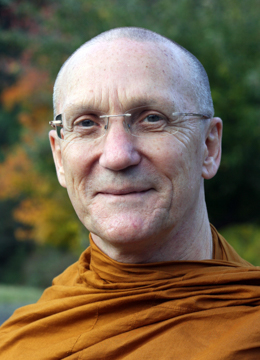
5. How I decided to ordain at Abhayagiri. Recollection by Ajahn Karuṇadhammo. [Ajahn Karuṇadhammo ] [Monastic life/Motivation] [Abhayagiri] // [Ajahn Amaro] [Ajahn Pasanno] [Ajahn Sumedho] [Wat Pah Nanachat]
6. Story: The first few years of Abhayagiri. Told by Ajahn Karuṇadhammo. [Abhayagiri] // [Ajahn Amaro] [Ajahn Karuṇadhammo ] [Ajahn Visuddhi] [Lodging] [Ajahn Pasanno]
8. I arrived when Abhayagiri turned five. Recollection by Ajahn Ñāṇiko. [Ajahn Ñāṇiko ] [Abhayagiri] // [Ajahn Karuṇadhammo] [Ajahn Sudanto] [Ordination] [Sīladharā]
Recollection: The little house was the beating heart of Abhayagiri. [Lodging] [Ajahn Amaro] [Ajahn Pasanno] [Questions] [Gratitude] [Goodwill]
Quote: “I want to ordain. What do I do?” — Ajahn Ñāṇiko’s first email to the Abhayagiri guestmonk. [Ajahn Achalo] [Idealism]
Story: “Look, I’m not here to make friends. I’m here to practice.” [Spiritual friendship]
Quote: “Don’t think about it too much.” — Ajahn Pasanno to Ajahn Ñāṇiko. [Ajahn Pasanno] [Monastic life/Motivation] [Proliferation]
10. Story: Chatting loudly with the windows open. Told by Ajahn Cunda. [Idle chatter] [Abhayagiri] // [Ajahn Pasanno] [Admonishment/feedback]
13. Reflection by Ajahn Cunda: Training under the co-abbots. [Abbot] [Ajahn Amaro] [Ajahn Pasanno] [Monastic life] [Abhayagiri] [Mentoring] // [Craving] [Teaching Dhamma] [Communal harmony] [Ajahn Karuṇadhammo]
Quote: “Two tigers in one cave.” — Thai saying. [Leadership] [Culture/Thailand]
19. Reflections by Ajahn Sudhīro on his first year at Abhayagiri. [Abhayagiri] // [Emotion] [Suffering] [Monastic life] [Community] [Communal harmony] [Food] [Ajahn Pasanno] [Happiness]
1. Story: Ajahn Dune visits Wat Pah Nanachat. His followers ask the young abbot Ajahn Pasanno to give a Dhamma talk. Told by Ajahn Pasanno. [Ajahn Pasanno] [Wat Pah Nanachat] [Ajahn Dune] [Teaching Dhamma] [Nibbāna]
Story: After the talk, someone asks, “What is Nibbāna like?” Ajahn Pasanno responds, “Nibbāna is not like anything.” Ajahn Dune approves. [Similes] [Ajahn Pasanno] [Direct experience]
8. Ajahn Chah greets Jack Kornfield: “I hope you’re not afraid to suffer.”Quoted by Ajahn Pasanno. [Ajahn Chah] [Jack Kornfield] [Suffering] [Fear] // [Isan] [Ajahn Pasanno] [Relinquishment] [Faith]
1. “What was your experience of Ajahn Chah’s personality and character? What was most inspiring about how he conducted himself?” Answered by Ajahn Pasanno. [Ajahn Chah ] [Personality] [Personal presence] // [Teaching Dhamma] [Admonishment/feedback] [Not-self] [Equanimity] [Humor]
Quote: “If you tried to create a CV for what a Bodhisattva should be, Luang Por Chah would fit that bill.” [Bodhisattva]
Story: Ajahn Pasanno chose to stay with Ajahn Chah for five years because he aspired to Ajahn Chah’s unshakeability. [Ajahn Pasanno] [Wat Pah Nanachat]
Story: Ajahn Chah gave the farang monks playful Thai names. [Thai] [Ajahn Sumedho] [Ajahn Amaro]
4. “In your long monastic life, have there been times that called for particular qualities to be developed?” Answered by Ajahn Pasanno. [Ajahn Pasanno] [Monastic life] [Long-term practice] // [Perfections] [Not-self] [Personality] [Energy ] [Posture/Walking] [Sitter's practice]
6. “What personal obstacles, either internal or external have you used as dhammas, stepping stones to lift yourself up and go beyond it?” Answered by Ajahn Pasanno. [Ajahn Pasanno] [Long-term practice] // [Fear ] [Ajahn Chah] [Impermanence] [Mindfulness of body] [Knowing itself]
Quote: “The anxious and fearful mind is always trying to find some certainty somewhere. And of course it isn’t anywhere at all except in this present moment and in the quality of awareness that we have. But the personality doesn’t believe that for a long time.” [Present moment awareness]
Quote: “Be careful of believing your mind because it’s a liar and a cheat.” — Ajahn Chah. [Nature of mind]
9. “How do we cultivate faith?” Answered by Ajahn Pasanno. [Faith ] // [Culture/West] [Sutta] [Ajahn Pasanno] [Buddha images] [Devotional practice] [Recollection/Saṅgha]
Recollection: Ajahn Liem estimates he has built at least 20 monasteries. [Ajahn Liem] [Building projects] [Master Hsu Yun]
13. “When you started teaching and taking on the role of leader of a community, did that affect the way you related to your own practice because you were being seen by others, having to be more careful about conduct?” Answered by Ajahn Pasanno. [Ajahn Pasanno] [Abbot] [Leadership] // [Wat Pah Nanachat] [Ajahn Chah] [Fear] [Faith] [Culture/Thailand]
Ajahn Chah always emphasized, “Whatever you’re doing, you have to learn from it.” [Learning]
1. “When I was looking at The Island by Ajahn Pasanno and Ajahn Amaro about a year ago, there are lots of Pāli quotes, and it’s not obvious that it is coming from Bhikkhu Bodhi or another translator. That particular passage you read out with the forsaking (The Island p. 32); did you translate it yourself? I think Bhikkhu Bodhi uses relinquishment of acquisitions.” Answered by Ajahn Amaro. [Pāli] [Translation] [Bhikkhu Bodhi] [Ajahn Amaro] // [Ajahn Pasanno]
4. “When developing disenchantment and dispassion by seeing the way things are, how do we not go to the extreme of aversion or the craving of unbecoming?” Answered by Ajahn Pasanno and Ajahn Karuṇadhammo. [Disenchantment] [Dispassion] [Aversion] [Craving not to become] // [Suffering] [Four Noble Truths]
Story: Ajahn Chah prods Ajahn Pasanno to reflect on suffering. Told by Ajahn Pasanno. [Ajahn Chah] [Ajahn Pasanno]
2. Comment: There’s the suggestion that just four hours of sleep is enough, and I know that some people can cope with that, but I’ve always struggled with not getting much sleep, and it feels like torture if I force myself to stay awake. [Devotion to wakefulness ]
Response by Ajahn Pasanno. [Ajahn Chah] [Fasting] [Truth] [Ajahn Pasanno] [Wat Pah Nanachat] [Moderation in eating]
3. “Was there a Winter Retreat where Ajahn Chah had the community practice midnight vigils every night? Were you there at that time?” Answered by Ajahn Pasanno. [Ajahn Chah] [Devotion to wakefulness] [Ajahn Pasanno] // [Rains retreat] [Sitter's practice]
Quote: “Ajahn Chah fired up. That’s pretty scary.”
2. “You mentioned that the Tathāgata is a bit harsh in discipline [in MN 70]. What is the practical side of this?” Answered by Ajahn Pasanno and Ajahn Kaccāna. [Buddha/Biography] [Fierce/direct teaching] // [Teaching Dhamma] [Ajahn Chah] [Ajahn Pasanno] [Mahāyāna] [Sutta]
Sutta: MN 34: The Shorter Discourse on the Cowherd.
5. Recollections of Ajahn Dune by Ajahn Pasanno and Ajahn Amaro. [Ajahn Dune] [Ajahn Pasanno] [Ajahn Amaro] // [Teaching Dhamma] [Wat Burapha]
Quote: “The noise that comes from the town is just minding its own business. Why do you go out and bother it?” — Ajahn Dune. Quoted by Ajahn Amaro. [Contact] [Equanimity]
5. Ajahn Pasanno translates and reflects upon, “Etaṁ santaṁ, etaṁ paṇītaṁ …” as found in AN 10.6. [Recollection/Peace] // [Ajahn Pasanno]
1. Story: A Tibetan monk expresses appreciation for Ajahn Chah’s 1979 visit to Manjushri Institute. Told by Ajahn Pasanno. [Manjushri Institute] [Ajahn Chah] [Gratitude] // [Ajahn Pasanno] [Tudong]
6. Story: Ajahn Pasanno comes across handwritten notes about Ajahn Chah’s teachings in the library at Wat Pleng. Told by Ajahn Pasanno and Ajahn Amaro. [Ajahn Pasanno] [Ajahn Chah] [Wat Phleng Vipassanā]
Quote: “What is the essence of the Buddha’s teachings?”—“Is this a big piece of wood or a small piece of wood?” — Ajahn Chah. Quoted by Ajahn Pasanno. [Perception] [Conventions] [Desire]
Sutta: SN 41.7: “Passion is a maker of measurement.”
2. “Have you found the instructions for contemplating the formless realms helpful in your own practice?” Answered by Ajahn Pasanno. [Formless attainments] [Ajahn Pasanno] // [Characteristics of existence] [Aggregates]
9. Ajahn Kaccāna explains the Ajahn Pasanno Archive. [Ajahn Pasanno] [Dhamma recordings] [Questions] [Dhamma online]
1. “What distinguished Ajahn Chah from other meditation teachers?” Answered by Ajahn Pasanno. [Teaching Dhamma] [Ajahn Chah] // [Meditation/Techniques] [Right View] [Monastic life]
Follow-up: “Did this inspire the way you teach?” [Ajahn Pasanno]
3. “It is said that each monk who know Ajahn Chah well would describe him in a different way when asked. How would you describe him?” Answered by Ajahn Pasanno. [Ajahn Pasanno] [Ajahn Chah] // [Personality] [Personal presence] [Compassion]
Quote: “You never quite knew which Ajahn Chah you were going to get, which always kept you on your toes. And if you weren’t on your toes, it wouldn’t take long before he would call you on it.” [Teaching Dhamma] [Clear comprehension]
6. “There are a few stories about Ajahn Chah having psychic powers, particularly reading minds. Did you ever observe anything of that sort with Ajahn Chah? What was Ajahn Chah’s position on such things?” Answered by Ajahn Pasanno. [Psychic powers] [Ajahn Pasanno] [Ajahn Chah] // [Nature of mind]
Story: Ajahn Chah describes the supernatural beings at Wat Pah Pong to a close lay follower, then refuses to talk about other realms with a group from Bangkok. [Wat Pah Pong] [Non-human beings] [Teaching Dhamma]
11. “Could you tell us your very first encounter with Luang Por Chah? How did it happen? What did he say to you? What impression did you have then?” Answered by Ajahn Pasanno. [Ajahn Pasanno] [Ajahn Chah] // [Temporary ordination] [Wat Pah Pong] [Culture/Natural environment] [Ajahn Sumedho]
Story: Ajahn Pasanno is impressed by handwritten notes about Ajahn Chah’s teaching by a visitor to Wat Pah Pong. [Ajahn Pasanno] [Wat Phleng Vipassanā]
Quote: “If you want to stay here, you have to stay at least five years.” — Ajahn Chah. [Ajahn Pasanno]
Quote: “The place itself [Wat Pah Pong] was a reflection of Ajahn Chah.” [Lay life] [Lunar observance days]
Story: The branch monasteries and lay community gather for Māgha Pūjā. [Festival days] [Ajahn Chah monasteries] [Community]
1. Reflection by Ajahn Pasanno: Ajahn Chah inspired people to be willing to commit to practice and training. [Monastic life/Motivation] [Determination] [Ajahn Chah] // [Ajahn Pasanno] [Fourfold Assembly] [Relinquishment]
2. Recollection: Ajahn Pasanno writes to his parents that he will stay with Ajahn Chah for five years because he wants to pick up Ajahn Chah’s peace and unshakeability. Recounted by Ajahn Pasanno. [Ajahn Pasanno] [Monastic life/Motivation] [Sequence of training] [Equanimity] [Ajahn Chah]
3. “When Luang Por Chah’s physical condition deteriorated and he was no longer physically active, how did the Saṅgha and lay community react to it? And how did you feel about it? How did the Saṅgha manage to organize new leadership? Any challenges, confusions, or conflicts?” Answered by Ajahn Pasanno. [Sickness] [Saṅgha] [Ajahn Pasanno] [Leadership] [Ajahn Chah] [Conflict] // [Impermanence] [Saṅgha decision making] [Grief] [Wat Pah Pong] [Ajahn Liem]
Recollection: Ajahn Chah told the Saṅgha that his illness was incurable and they would have to look after him. [Health care ]
I did my grieving when Ajahn Chah was still alive and sick. Recollection by Ajahn Pasanno. [Ajahn Pasanno] [Death]
Recollection: Caring for Ajahn Chah as a community. [Health care ] [Mae Chee] [Communal harmony]
Recollection: Preparing for Ajahn Chah’s funeral. [Ajahn Pasanno] [Funerals] [Building projects] [Ajahn Chah Stupa]
Quote: “His example was always one of giving himself to what was of benefit to the Dhamma, to the Vinaya, to others. There was so little personal agenda and personal preferences ever shown.” [Generosity]
5. “What do you treasure most among what you/we have inherited from Luang Por Chah?” Answered by Ajahn Pasanno. [Ajahn Pasanno] [Ajahn Chah]
Quote: “He had given himself completely, and he had reaped the fruits completely.” [Relinquishment] [Liberation]
10. “Were there any memories from the period of training with Ajahn Chah that really stand out in your mind? In what ways did you find it difficult?” Answered by Ajahn Pasanno. [Ajahn Pasanno] [Monastic life] [Ajahn Chah]
Story: Ajahn Pasanno skips morning pūjā to meditate diligently at his kuti. Ajahn Chah calls him lazy. [Ajahn Pasanno] [Monastic routine]
Story: Ajahn Pasanno sits vigil at a cremation and makes a bathing cloth from the cloth used to wrap a corpse. [Ajahn Pasanno] [Funerals ] [Robes ] [Wat Pah Pong] [Recollection/Death]
Story: Ajahn Pasanno joins the Wat Pah Pong Saṅgha, exchanges his requisites, and excitedly attends his first Pāṭimokkha at Wat Pah Pong. Ajahn Chah keeps the monks sitting until 3 am. [Ajahn Pasanno] [Vinaya] [Requisites] [Not handling money] [Pāṭimokkha] [Compassion] [Relinquishment]
1. Background of the Amaravati Sunday Talks. [Amaravati] [Teaching Dhamma] // [Rains retreat] [Ajahn Pasanno] [Ajahn Chah]
3. Recollection: My introduction to Ajahn Chah. Recounted by Ajahn Pasanno. [Ajahn Pasanno] [Ajahn Chah] // [Temporary ordination] [Travel] [Wat Phleng Vipassanā] [Forest versus city monks]
6. Recollection: Why I stayed with Ajahn Chah. Recounted by Ajahn Pasanno. [Ajahn Pasanno] [Determination] [Ajahn Chah] // [Family] [Sequence of training] [Equanimity] [Personal presence]
7. Recollection: He was always willing to push us beyond what we thought we could do. Recounted by Ajahn Pasanno. [Fierce/direct teaching] [Ajahn Chah] // [Intuition]
Quote: “I hope you’re not afraid of suffering. … If you’re afraid of suffering, you’re not going to grow in wisdom here.” — Ajahn Chah to Jack Kornfield. [Jack Kornfield] [Fear] [Suffering] [Discernment]
Quote: “If you want to stay here, you have to stay at least five years.” — Ajahn Chah to Ajahn Pasanno. [Ajahn Pasanno] [Sequence of training] [Determination]
Story: Ajahn Chah asks the young Ajahn Pasanno to become abbot of Wat Pah Nanachat. [Ajahn Pasanno] [Wat Pah Nanachat] [Abbot] [Sickness]
9. Recollection: Ajahn Pasanno’s first lunar observance night at Wat Pah Pong. Recounted by Ajahn Pasanno. [Ajahn Pasanno] [Wat Pah Pong] [Lunar observance days] [Ajahn Chah] // [Monastic life] [Pace of life] [Patience]
Quote: “You learn as you go. You expand your ability to go beyond the limitations you set for yourself.” [Learning]
Quote: “The more you resist and complain in your mind, the more you suffer.” [Aversion] [Suffering] [Habits]
13. Recollection: Ajahn Chah enjoyed teasing people and playing with words. Recounted by Ajahn Pasanno. [Humor] [Ajahn Chah] // [Ajahn Gavesako] [Ajahn Amaro] [Ajahn Pasanno] [Compassion]
Stories: The Squirrel Story and the Donkey Story. [Kittisaro] [Monastic life] [Patience]
Note: Kittisaro tells these stories himself here.
15. “When you first arrived at Ajahn Chah’s monastery, how did you communicate with him?” Answered by Ajahn Pasanno. [Ajahn Pasanno] [Language] [Ajahn Chah] // [Ajahn Sumedho] [Translation] [Paul Breiter] [Thai] [Isan]
Story: Venerable Varapañño could recite the Pāṭimokkha perfectly. [Pāṭimokkha]
18. “What gave you the inspiration and strength of spirit to want to dedicate yourself to follow the way?” Answered by Ajahn Pasanno. [Ajahn Pasanno] [Faith] [Determination] // [Suffering] [Spiritual search] [Culture/Thailand] [Travel] [Meditation/Results]
19. “In the draft of your biography, it says that growing up you felt you didn’t fit in with normal society. When you came to a Buddhist country and the monastery, did it feel like home?” Answered by Ajahn Pasanno. [Ajahn Pasanno] [Culture/West] [Culture/Thailand] [Monastic life] // [Purpose/meaning]
20. “Nowadays we have so much information about Dhamma, whereas when you began, you talked about following an example. How much did being in the presence of someone like Ajahn Chah mean? Could we now overlook this since we have so much information?” Answered by Ajahn Pasanno. [Dhamma online] [Ajahn Pasanno] [Mentoring] [Personal presence] [Ajahn Chah] // [Amaravati] [Aspects of Understanding]
21. “How did your becoming a monk go down with your family, and how did that affect you?” Answered by Ajahn Pasanno. [Ajahn Pasanno] [Monastic life] [Family] // [Ajahn Jayasaro]
12. “You mentioned that Ajahn Mahā Boowa has been a bit coarse with his disciples. Has your voice always been soft and kind and loving?” Answered by Ajahn Pasanno. [Ajahn Mahā Boowa] [Fierce/direct teaching] [Ajahn Pasanno] [Compassion]
Quote: “Well, I hope I’ve gotten better. … The early years of being the abbot of Wat Pah Nanachat, I was pretty insufferable.” [Ajahn Pasanno] [Wat Pah Nanachat] [Abbot]
2. “How to find a good balance between personal individual practice and helping the community? How have you practiced with this yourself, having had the role of abbot for such a long time?” Answered by Ajahn Pasanno. [Meditation] [Service] [Ajahn Pasanno] [Abbot] // [Seclusion ] [Restlessness and worry] [Ajahn Sumedho] [Idealism] [Becoming] [Craving not to become] [Monastic routine]
Quote: “You really have to learn how to step back from your own mind and give attention to that sense of solid connection with the Dhamma practice.” [Dhamma]
Quote: “If we don’t really develop a sense of giving and sharing and lovingkindness and compassion, any amount of meditation that you do never really comes to much fruition.” [Generosity] [Goodwill]
3. “People often say that Amaravati is like an institution. What is a perspective on this?” Answered by Ajahn Pasanno. [Amaravati ] [Saṅgha] [Monastery organizational structure] // [Ajahn Pasanno]
Reflection by Ajahn Pasanno, Ajahn Ahiṃsako and Ajahn Karuṇiko: The benefits and drawbacks of large monasteries. [Mutual lay/Saṅgha support] [Teaching Dhamma] [Christian monastics] [Wat Pah Nanachat] [Spiritual traditions]
4. “If you had to choose one monastery in Thailand that you can always go back to, where you had the best moments or experiences, what would it be?” Answered by Ajahn Pasanno. [Ajahn Pasanno] [Thai Ajahn Chah monasteries] // [Dtao Dum ] [Culture/Natural environment]
Story: Ajahn Pasanno has the intuition that his time in Thailand had come to an end. [Ajahn Pasanno] [Culture/Thailand] [Monastic life]
Story: Ajahn Pasanno’s decision to help with Abhayagiri. [Abhayagiri] [Ajahn Amaro] [Saṅghapāla] [Ajahn Karuṇadhammo]
5. “It sounds like you’re quite a community builder in various places. … When I first came here (to Chithurst), I was struck by the way the community works amazingly well. Have you seen any examples of communities of laypeople living together based on monastic principles?” Answered by Ajahn Pasanno, Ajahn Ahiṃsako, Sister Ñāṇasirī and Ajahn Karuṇadhammo. [Ajahn Pasanno] [Community ] [Saṅgha] [Lay life] // [Precepts] [Vinaya] [Portland Friends of the Dhamma] [Amaravati] [Gaia House] [Culture/Thailand] [Upāsikā Kee Nanayon] [Culture/West]
1. “After more than 50 years, is the practice getting easier?” Answered by Ajahn Pasanno. [Long-term practice ] [Ajahn Pasanno] // [Mindfulness] [Happiness]
6. “How did you learn Pāli syntax?” Answered by Ajahn Pasanno. [Pāli] [Ajahn Pasanno] [Learning]
12. “When someone opens up about issues or something difficult they are dealing with, when should one just listen and when should one say something that might help?” Answered by Ajahn Pasanno. [Listening ] [Right Speech] [Compassion] // [Spiritual friendship] [Trust] [Virtue] [Goodwill] [Admonishment/feedback] [Ajahn Pasanno] [Abbot] [Ajahn Chah]
15. “Is it ever acceptable to put a life out of suffering, for example when it’s dying and suffering slowly?” Answered by Ajahn Pasanno. [Euthanasia ] [Killing ] [Death] [Pain] [Animal] // [Compassion] [Unattractiveness]
Story: Ajahn Pasanno and others look after a Brahma bull that was attacked by a tiger until it dies. [Ajahn Pasanno] [Health care] [Dtao Dum]
3. “If you live long enough and you start to have Alzheimer’s or dementia, if you’re well-practiced throughout your whole life, you’ll still be grounded in something, right?” Answered by Ajahn Pasanno and Ajahn Karuṇadhammo. [Ageing] [Sickness] [Memory ] [Long-term practice] // [Ajahn Pasanno] [Ajahn Chah]
Story: Despite having dementia, Venerable Mahāghosānanda attends a meeting of Buddhist leaders at Spirit Rock Meditation Center. Abhayagiri monks look after him and delight in his presence. Told by Ajahn Pasanno. [Preah Mahāghosānanda] [Spirit Rock] [Upatakh] [Abhayagiri] [Personal presence] [Dalai Lama] [Ajahn Pasanno]
Reflection: When Ajahn Chah was sick, his cognitive functions deteriorated, but his citta was unwavering. [Heart/mind] [Nature of mind] [Translation] [Ajahn Ṭhānissaro]
Quote: “You don’t have to worry about Ajahn Chah. His mind is bright and pure.” — Ajahn Phut. Quoted by Ajahn Pasanno. [Ajahn Phut] [Dependent origination] [Chanting] [Wat Pah Nanachat]
Reference: Vipassanā-bhūmī, Amaravati Chanting Book Volume 2, p. 67.
Reflection by Ajahn Karuṇadhammo: The mind is another sense base. It’s not who you are. [Sense bases] [Not-self]
1. Reflection by Ajahn Pesalo: Returning to Abhayagiri after four years away. [Abhayagiri] // [Berkeley Buddhist Monastery] [Ajahn Amaro] [Ajahn Pasanno] [Sequence of training] [Beauty]
1. Recollection: My first meeting with Ajahn Pasanno. Recounted by Ajahn Pavaro. [Ajahn Pasanno] // [Birken] [Personal presence]
3. Recollection: Seeing the faith in Thailand. Recounted by Ajahn Pavaro. [Culture/Thailand] [Faith] [Respect] // [Ajahn Pasanno]
2. Quote: “Monasteries are made of people.” — Ajahn Pasanno. Quoted by Ajahn Ahiṃsako. [Ajahn Pasanno] [Monasteries ] [Monastic life] [Community] // [Desire] [Saṅghapāla] [Buddha] [Saṅgha] [Abhayagiri]