
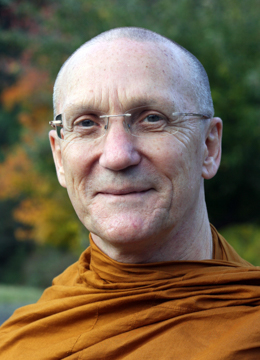
9. “Do monks on retreat feel as much pain as we do? Is pain saṅkhāras?” Answered by Ajahn Pasanno. [Pain] [Monastic life] [Meditation retreats] [Volitional formations] // [Ajahn Pasanno] [Feeling]
Quote: “Pain is a pretty regular feature of my experience.” [Ajahn Pasanno]
15. “There is a mean streak in my family, a tendency to be dishonest and manipulative. I can see how it has been passed down over generations. I have worked hard to overcome these habits in myself. At this stage of life my familiar relationships are mostly positive and harmonious, but I still sometimes run across their manipulation or dishonesty. I would like to discuss or address it within my family, but there is no apparent recourse or means of addressing the situation. Any suggestions?” Answered by Ajahn Pasanno. [Family] [False speech] [Habits]
Quote: “I don’t teach my family anything.” [Ajahn Pasanno] [Teaching Dhamma]
Story: Ajahn Pasanno’s mother visits Abhayagiri. [Ajahn Pasanno] [Parents] [Kaṭhina]
23. “It seems that nimittas can appear before the mind is fully settled in concentration. Is it useful to understand what that is happening? Should one ignore the nimitta until concentration is firmly established? Or is there some other response or skillful way to work with the nimitta while establishing samādhi?” Answered by Ajahn Pasanno. [Nimitta ] [Concentration] // [Proliferation] [Continuity of mindfulness] [Ajahn Pasanno]
Story: Ajahn Pasanno has a nimitta of bowing to the Buddha but then realizes that he is nodding. [Ajahn Pasanno] [Bowing] [Sloth and torpor]
2. “How could you accomplish studying Buddhism in Thailand with Luang Por Chah? How did Luang Por Chah teach you as a you were a foreigner new monk? How did you cope with the language issue?” Answered by Ajahn Pasanno. [Ajahn Pasanno] [Ajahn Chah ] [Teaching Dhamma] [Monastic life] [Language] // [Culture/Thailand] [Patience] [Wat Pah Pong] [Novices]
Quote: “It’s just like teaching buffaloes.” — Ajahn Chah. [Western Ajahn Chah lineage] [Similes]
Quote: “Dhamma is not about the words, about the concepts, about the ideas. It’s about the experience.” — Ajahn Chah. [Dhamma ] [Direct experience ]
11. “Can the monastics speak about the skillful use of caffeine for their practice?” Answered by Ajahn Pasanno. [Medicinal requisites] // [Energy] [Ajahn Pasanno] [Ajahn Sumedho]
2. “An ajahn visiting Abhayagiri spoke of you receiving an honor. Would you elaborate on what it was, who bestows it, and what it means for you and the community?” Answered by Ajahn Pasanno. [Chao Khun] [Ajahn Pasanno] [Abhayagiri]
Ajahn Pasanno describes the Chao Khun titles he and Ajahn Amaro will receive. [Ajahn Pasanno] [Ajahn Amaro] [Culture/Thailand] [Forest versus city monks] [Ajahn Chah] [Royalty]
8. “When bowing three times, do you say something in your mind like taking refuge or anything else?” Answered by Ajahn Pasanno. [Bowing] [Three Refuges] // [Ajahn Pasanno] [Mindfulness of body] [Buddho mantra]
9. “Can you say more about trusting the seeds of meditation practice after Alzheimer’s/dementia kick in? What do you mean by going beyond liberation or consciousness? What do you mean by ‘many deeper layers’ are affected by the practice and the fruits of it will express naturally?” Answered by Ajahn Pasanno. [Sickness ] [Consciousness] [Long-term practice] // [Happiness] [Proliferation] [Relinquishment] [Self-identity view]
Story: A monk with psychic abilities investigates Ajahn Chah’s mind after Ajahn Chah loses his mental faculties. [Ajahn Phut] [Ajahn Chah] [Psychic powers]
Story: Ajahn Pasanno brings the Wat Pah Nanachat community to Ajahn Chah’s nursing kuti to chant verses including Dependent Origination. [Wat Pah Nanachat] [Ajahn Pasanno] [Chanting] [Dependent origination]
Quote: “The fruits of practice arise through the simple quality of being the one who knows, taking the Buddha as refuge.” [Knowing itself] [Buddha] [Three Refuges]
10. “After forty years of meditating, what do you still find that is interesting?” Answered by Ajahn Pasanno. [Ajahn Pasanno ] [Long-term practice] // [Mindfulness of breathing] [Gladdening the mind] [Learning]
Quote: “Practicing Dhamma … sometimes it’s difficult, but it’s always interesting.” [Practicing in accordance with Dhamma] [Purpose/meaning]
2. “When you spent time with family, did you notice any old habits resurfacing?” Answered by Ajahn Pasanno. [Ajahn Pasanno] [Family] [Habits]
3. “Can you please speak about faith? How to develop it? How to maintain it through the ups and downs of practice? How have you maintained your faith over forty years of practice?” Answered by Ajahn Pasanno. [Faith ] [Long-term practice] [Ajahn Pasanno] // [Language] [Ajahn Chah] [Patience] [Mindfulness]
5. “I understand that there is a council of Theravāda elders who are a ‘decision making panel’ guiding the tradition. Who exactly is part of this council and who or what determines their eligibility? Will the honor being bestowed upon you and Ajahn Amaro next month make you eligible? Are there other monks in modern times who have received this honor?” Answered by Ajahn Pasanno. [History/Thai Buddhism] [Saṅgha decision making] [Chao Khun] [Ajahn Pasanno] [Ajahn Amaro] [Ajahn Chah] // [Politics and society] [Ajahn Buddhadāsa] [Ajahn Mahā Boowa] [Ajahn Sumedho] [P. A. Payutto] [CALM Group]
10. “Can you tell us what you find interesting about the breath? What insights have arisen for you from watching the breath?” Answered by Ajahn Pasanno. [Mindfulness of breathing] [Ajahn Pasanno]
15. “Could you explain what your ordination names mean and how they were chosen?” Answered by Ajahn Pasanno. [Ordination] [Monastic titles] // [Ajahn Karuṇadhammo] [Ajahn Ñāṇiko] [Ajahn Pasanno]
16. “How does the process work to get a title as you do? Is this title only for monks? Will you be the only one in the USA?” Answered by Ajahn Pasanno. [Chao Khun] [Ajahn Pasanno] // [Ajahn Ṭhānissaro] [Abhayagiri]
18. “I often feel overwhelmed with the greed, hatred, ill-will, and delusion that the corporate world exerts over the masses to the benefit of only themselves and that is destroying the planet’s ability to renew itself. Could you speak about Buddhist involvement in social change movements?” Answered by Ajahn Pasanno. [Politics and society] [Activism] [Unwholesome Roots] [Commerce/economics] [Selfishness] [Environment] // [Truth] [Ajahn Pasanno] [Non-profit organizations]
Ajahn Pasanno reflects on the results of his efforts to preserve forests in Thailand. [Geography/Thailand] [Ajahn Pasanno] [Learning] [Greed] [Corruption]
Quote: “Can I set an example myself and can I help encourage other people who are interested?”
20. “What is the pill in the little vial that sits next to you?” Answered by Ajahn Pasanno. [Ajahn Pasanno] [Medicinal requisites] [Health]
24. “I’m curious about the ceremony to bestow the honorific title. What does it entail? What is the new title? Does it change the appropriate way for us to address or refer to you?” Answered by Ajahn Pasanno. [Monastic titles] [Ajahn Pasanno] [Ceremony/ritual] // [Chao Khun] [Chanting]
1. “During the development of Abhayagiri over the years, has there been a shift in how strictly some practices, activities are followed?” Answered by Ajahn Karuṇadhammo and Debbie Stamp. [Amaravati] [Ajahn Sumedho] [Ascetic practices] [Culture/West] [Divine Abidings] [Abhayagiri] // [Ajahn Chah] [Devotion to wakefulness] [Work] [Ajahn Pasanno] [Admonishment/feedback] [Protocols] [Ajahn Amaro] [Guilt/shame/inadequacy]
Story: Can we ask for soymilk? [Food] [Simplicity] [Ajahn Pasanno]
Recollection: The effects of the gap in seniority between Ajahn Amaro and (then) Tan Karuṇadhammo. [Ajahn Karuṇadhammo] [Sequence of training]
Recollection: Ajahn Pasanno is lighter and softer now. Recounted by Debbie Stamp. [Ajahn Pasanno] [Personal presence]
Recollection: The gung-ho early days of Chithurst and Amaravati. Recounted by Debbie Stamp. [Chithurst] [Disrobing]
Recollection: The beginning of sharing circles. Recounted by Debbie Stamp. [Sharing circles] [Culture/Thailand]
2. Comment by Ajahn Ñāṇiko: Abhayagiri works because the abbots empower members of the community to be in charge of different aspects of the monastery. [Abhayagiri] [Abbot] [Saṅgha decision making ]
Recollection: Ajahn Pasanno asks the Saṅgha before accepting invitations. [Ajahn Pasanno]
Quote: “Ajahn Pasanno is genuinely open to junior members’ opinions.” [Ajahn Pasanno] [Admonishment/feedback] [Humility]
Comment: Less admonishment in korwat is needed now at Abhayagiri because momentum has built and you can follow the group. [Protocols]
Response by Ajahn Karuṇadhammo.
3. Recollection: Ajahn Pasanno consults the group rather than dictating decisions. Recounted by Ajahn Jotipālo. [Ajahn Pasanno] [Abbot ] [Abhayagiri] [Saṅgha decision making] [Leadership]
Quote: “Sometimes it’s better to be harmonious than to be right.” — Ajahn Pasanno. [Ajahn Pasanno] [Communal harmony] [Views]
Quote: “I must hurry, for there they go, and I am their leader.” — Sign above a boss’s desk. Quoted by Ajahn Karuṇadhammo. [Humor]
4. Story: Carrying wood to the Cloth Yurt. Told by Ajahn Jotipālo. [Ajahn Jotipālo] [Ajahn Pasanno] [Lodging] [Work] [Abhayagiri]
5. Story: “How is it going? There are a lot of weeds growing on your walking path.” Told by Debbie Stamp. [Ajahn Pasanno] [Work] [Posture/Walking]
Response by Ajahn Karuṇadhammo. [Gratitude]
6. Story: Ajahn Khemadhammo creates Buddha groves in prisons. Told by Ajahn Pasanno. [Ajahn Khemadhammo] [Prisons] [Buddha images] // [Ceremony/ritual] [Ajahn Pasanno] [Tranquility]
1. “Ajahn Pasanno, did you have a chance to spend much time with Ajahn Paññāvaḍḍho?” Answered by Ajahn Pasanno. [Ajahn Paññāvaḍḍho] [Ajahn Pasanno]
3. “Ajahn Sumedho talks about Ajahn Chah making him miserable, testing him. Was that your experience when you were practicing with Ajahn Chah?” Answered by Ajahn Pasanno. [Ajahn Chah] [Ajahn Sumedho] [Mentoring] [Ajahn Pasanno]
2. “Does insight arise from deeper concentration or can it also arise from different things?” Answered by Ajahn Pasanno. [Concentration] [Insight meditation] // [Tranquility]
Story: Ajahn Pasanno experiences insight on a bus in Bangkok. [Ajahn Pasanno] [Contact]
3. Discussion about the importance of spiritual friendship. Led by Ajahn Pasanno. [Spiritual friendship] [Renunciation] [Happiness]
Reference: Amaravati Chanting Book, p. 46: The Highest Blessings (Maṅgala Sutta, Snp 2.4).
Ajahn Pasanno reflects on his intention in coming to America. [Ajahn Pasanno] [Culture/West] [Perception of a samaṇa] [Abhayagiri]
4. Story: Personality of the Abhayagiri co-abbots: “Is he the one with the personality or is he the one who laughs all the time?” Told by Ajahn Jotipālo. [Ajahn Pasanno] [Ajahn Amaro] [Personality] [Humor]
1. Ajahn Pasanno recollects visiting the Japanese temple in Vesali described in Chapter 9 of Rude Awakenings by Ajahn Sucitto and Nick Scott. [Ajahn Pasanno] [Visiting holy sites] // [Ajahn Jayasaro] [Nichiren Buddhism]
4. “Would you speak on skillful and unskillful ways to approach restraint?” Answered by Ajahn Pasanno and Kondannyo Bhikkhu. [Sense restraint] [Skillful qualities] [Unskillful qualities] // [Self-identity view] [Vinaya] [Monastic life] [Culture/Natural environment] [Spiritual friendship] [Continuity of mindfulness]
Story: Ajahn Pasanno gets frustrated with meditation and starts sweeping. Told by Ajahn Pasanno. [Ajahn Pasanno] [Wat Pah Nanachat] [Meditation] [Generosity] [Cleanliness]
Story: Paul Breiter did not consider Abhayagiri cushy. Told by Ajahn Jotipālo. [Paul Breiter] [Abhayagiri]
Comment: When you see the danger in investing outside, you don’t need a straightjacket. [Disenchantment]
1. “How much did you have to adapt Ajahn Chah’s training for your own practice?” Answered by Ajahn Pasanno. [Ajahn Pasanno] [Ajahn Chah] [Monastic life] // [Teaching Dhamma] [Generosity] [Mindfulness] [Discernment]
Quote: “Ajahn Chah didn’t have a template.” [Meditation/Techniques]
2. “Did Ajahn Chah have a common statement about his own core practice?” Answered by Ajahn Pasanno. [Mindfulness of breathing] [Ajahn Chah] [Meditation/Techniques] // [Ajahn Pasanno] [Teaching Dhamma]
Sutta: MN 118: Ānāpānasati Sutta.
Story: Ajahn Piak reports that Ajahn Chah reaches jhāna quickly. [Ajahn Piak] [Psychic powers] [Jhāna]
4. “Why did you leave Wat Pah Pong to practice on your own?” Answered by Ajahn Pasanno. [Ajahn Pasanno] [Wat Pah Pong] [Seclusion] // [Ajahn Chah] [Wat Keuan] [Wat Tam Saeng Pet]
6. Story: Ajahn Pasanno goes to Wat Pah Nanachat to work on a bowl stand and gets sick. Told by Ajahn Pasanno. [Ajahn Pasanno] [Wat Pah Nanachat] [Monastic crafts] [Sickness] // [Rains retreat]
7. “Did you stay at Wat Pah Nanachat from then on?” Answered by Ajahn Pasanno. [Ajahn Pasanno] [Wat Pah Nanachat] // [Wat Pah Pong] [Tudong]
8. “Were you on tudong for a year?” Answered by Ajahn Pasanno. [Ajahn Pasanno] [Tudong] // [Seclusion] [Dtao Dum] [Ajahn Chah]
Story: Ajahn Pasanno takes a restless novice on tudong. [Ajahn Pasanno] [Novices] [Food]
9. Story: Ajahn Pasanno founds Dtao Dum Monastery. Told by Ajahn Pasanno. [Ajahn Pasanno] [Dtao Dum ] // [Environment] [Ajahn Chah] [Joseph Kappel] [Rains retreat] [Wat Pah Nanachat] [Ajahn Gavesako]
3. “Did you go to his cremation?” Answered by Ajahn Pasanno. [Ajahn Paññāvaḍḍho] [Funerals] [Ajahn Pasanno] // [Humility]
2. Discussion about how monastics and lay practitioners can navigate visiting their relatives who are not Buddhists. Led by Ajahn Pasanno. [Monastic life] [Family] [Lay life] [Parents] // [Teaching Dhamma] [Patience] [Right Speech] [Suffering] [Ajahn Pasanno] [Killing]
1. “How does your relic pūjā work for you?” Answered by Ajahn Pasanno. [Ajahn Pasanno] [Relics] [Pūjā] [Prayer] [Devotional practice ] // [Respect] [Chanting]
Reference: “Great Chant of Universal Blessings,” Bhikkhu Manual, p. 135.
2. Story: Ajahn Pasanno describes his time in India with Ajahn Jayasaro. Told by Ajahn Pasanno. [Ajahn Pasanno] [Ajahn Jayasaro ] [Tudong] [Visiting holy sites] // [Impermanence] [Almsround]
Story: A month to be away from Wat Pah Nanachat. [Ajahn Pasanno] [Wat Pah Nanachat] [Abbot] [Ajahn Puriso]
Story: Ajahn Pasanno stays in Bodh Gaya to do pūjās. [Ajahn Pasanno] [Pūjā] [Determination]
3. “Did you find any particular holy sites especially affecting?” Answered by Ajahn Pasanno. [Ajahn Pasanno] [Visiting holy sites ] // [Tranquility]
Reference: SN 56.11: Dhammacakkappavattana Sutta (Chanting Book translation)
5. “Did you get sick [during your pilgrimage in India]?” Answered by Ajahn Pasanno. [Ajahn Pasanno] [Culture/India] [Tudong] [Sickness] // [Food] [Almsround]
6. “How did you find Ajahn Jayasaro again [in India]?” Answered by Ajahn Pasanno. [Ajahn Pasanno] [Ajahn Jayasaro] [Visiting holy sites] // [Tudong] [Lodging] [Ajahn Koon (Chiang Rai)] [Ajahn Chai] [Ajahn Chah] [Culture/India]
2. Story: Ajahn Pasanno attends Dharma Master Heng Lyu’s ordination. Told by Ajahn Pasanno. [Ajahn Pasanno] [Bhikshu Heng Lyu] [Ordination] // [Ajahn Amaro] [Weather]
5. Story: Ajahn Pasanno’s first impressions of Wat Pah Pong. Told by Ajahn Pasanno. [Ajahn Pasanno] [Wat Pah Pong] // [Temporary ordination] [Ajahn Chah] [Mutual lay/Saṅgha support] [Lunar observance days]
6. Recollections: Ajahn Pasanno’s motivations for moving to Abhayagiri; twenty years went by quick. Recounted by Ajahn Pasanno. [Ajahn Pasanno] [Abhayagiri] // [Western Ajahn Chah monasteries] [Ajahn Amaro] [Community]
3. Laying the foundations for inner happiness. Teaching by Ajahn Mahā Prasert. Translated by Ajahn Pasanno. [Happiness] // [Chao Khun] [Ajahn Pasanno] [Ajahn Amaro] [Similes] [Generosity] [Lodging]
1. Reflection by Bhikshu Heng Lyu: The relationship between Abhayagiri and The City of Ten Thousand Buddhas. [Abhayagiri] [City of Ten Thousand Buddhas] // [Master Hsuan Hua] [Ajahn Sumedho]
Story: Master Hua invites Ajahn Sumedho to be the precept master for an ordination at The City of Ten Thousand Buddhas [Ordination] [Ajahn Pasanno] [Ajahn Amaro] [Bhikshu Heng Lyu]
2. Story: Heng Shun meets Ajahn Pasanno at Wat Phleng Vipassanā in 1973. Told by Bhikshu Heng Shun. [Bhikshu Heng Shun] [Wat Phleng Vipassanā] [Ajahn Pasanno] // [Temporary ordination]
5. Story: Dharma Master Heng Shun meets Ajahn Pasanno at Wat Pah Nanachat. Told by Bhikshu Heng Shun. [Bhikshu Heng Shun] [Ajahn Pasanno] [Wat Pah Nanachat]
6. Story: More details about the 1991 City of Ten Thousand Buddhas ordination. Told by Bhikshu Heng Shun. [City of Ten Thousand Buddhas] [Ordination] // [Bhikshu Heng Shun] [Master Hsuan Hua] [Ajahn Pasanno] [Ajahn Khantipālo]
2. Reflection by Ajahn Karuṇadhammo: What we take with us. [Ageing] [Death] [Memory ] // [Gratitude] [Ajahn Karuṇadhammo] [Ajahn Pasanno] [Ajahn Amaro] [Goodwill]
10. Reflection by Ajahn Amaro: Abhayagiri 20 years later. [Abhayagiri] // [Ajahn Amaro] [Ajahn Pasanno] [Amaravati]
11. Recollection: Origins of the Abhayagiri co-abbotship. Recounted by Ajahn Amaro. [Abbot] [Abhayagiri] // [Master Hsuan Hua] [Three Conditions Monastery] [Jealousy] [Ajahn Amaro] [Ajahn Pasanno] [Leadership]
Quote: “You can’t have two tigers living in the same cave.” — Ajahn Mahā Prasert. [Ajahn Mahā Prasert] [Culture/Thailand]
4. “In the West, we personalize every bit of suffering. Is it different in Thailand?” Answered by Ajahn Pasanno and Ajahn Karuṇadhammo. [Culture/West ] [Suffering] [Self-identity view] [Culture/Thailand] // [Language] [Liberation]
Story: Ajahn Pasanno can’t translate guilt into Thai. Told by Ajahn Pasanno. [Ajahn Pasanno] [Guilt/shame/inadequacy] [Thai] [Translation]
Quote: “That’s really suffering. Tell them not to do that.” — Ajahn Paññānanda. [Ajahn Paññānanda]
Reference: Can’t We Talk about Something More Pleasant? by Roz Chast (commercial). [Ageing] [Sickness] [Parents] [Health care]
6. Story: Ajahn Pasanno visits the elderly Cambodian monk Mahāghosānanda who has Alzheimer’s disease. Told by Ajahn Pasanno. [Preah Mahāghosānanda] [Ajahn Pasanno] [Sickness] // [Dalai Lama] [Divine Abidings] [Ajahn Chah] [Heart/mind]
Quote: “That thing you learn in meditation—that you don’t lose.” — Ajahn Fuang. [Ajahn Fuang] [Meditation] [Liberation]
Story: A monk known for psychic powers visits Ajahn Chah’s sick room and reports: “You don’t have to worry about Ajahn Chah. His heart is so bright.” [Ajahn Phut] [Psychic powers] [Ajahn Pasanno] [Wat Pah Nanachat] [Lunar observance days] [Dependent origination]
2. The meaning of perception (saññā) in the Girimānanda Sutta (AN 10.60). Teaching by Ajahn Pasanno. [Perception] [Recollection] // [Meditation] [Tranquility] [Directed thought and evaluation] [Discernment]
Recollection: Ajahn Pasanno gives instruction from the Girimānanda Sutta to the monks on the first four-week retreat at Dtao Dum. [Ajahn Pasanno] [Dtao Dum] [Teaching Dhamma]
Sutta: MN 43.8-9: Conjoined, not disjoined. [Feeling] [Consciousness]
Sutta: AN 10.57: Ten perceptions culminating in the Deathless. [Deathless]
16. AN 10.60.8 describes the dangers inherent in the human body. Teaching by Ajahn Pasanno. [Drawbacks] [Sickness] // [Aspects of Understanding] [Benefit/gratification] [Escape]
Story: Ajahn Pasanno visits a hospital library. [Ajahn Pasanno]
5. “I notice that you have a very compassionate way of answering questions that are not in line with the Dhamma. Is there a trick that monks undergo to do this?” Answered by Ajahn Pasanno and Ajahn Jotipālo. [Ajahn Pasanno] [Questions] // [Patience] [Energy]
6. “Luang Por, for this ten day retreat, what is your Dhamma wish for us?” Answered by Ajahn Pasanno. [Ajahn Pasanno] [Meditation retreats] // [Tranquility] [Clear comprehension] [Faith]
7. “In practice we are often doing battle with our defilements. Can you speak about ways of “gladdening” the heart?” Answered by Ajahn Pasanno. [Unwholesome Roots] [Gladdening the mind] // [Ajahn Pasanno] [Conflict] [Self-identity view] [Skillful qualities]
Quote: “Quit picking a fight with them.” [Right Effort]
2. “Please repeat the phrase that included “nimitta” and your name in some form. Can you give context/expand a little on this?” Answered by Ajahn Pasanno. [Nimitta] // [Ajahn Pasanno] [Hindrances] [Gladdening the mind]
2. “Can you please talk about some of the changes in the new version of the morning chant (Amaravati Chanting Book, p. 2) and which ones, if any, (and why) resonate with you?” Answered by Ajahn Pasanno. [Chanting] [Ajahn Pasanno] // [Saṅgha decision making]
6. “I have been reading the wonderful book, Abundant, Exalted, Immeasurable by Ajahn Pasanno. Would you consider leading us in a guided meditation on loving kindness at some point on this retreat?” Answered by Ajahn Pasanno. [Goodwill] // [Ajahn Pasanno] [Meditation retreats]
13. “Could you please talk a bit about using the sound of silence (nada sound) as a meditation object?” Answered by Ajahn Pasanno. [Sound of silence] // [Ajahn Pasanno] [Ajahn Sumedho] [Ajahn Amaro] [Proliferation] [Spaciousness]
10. “Does having no craving mean doing things in the world knowing they won’t bring lasting satisfaction? For example, planning a vacation realizing that it will eventually end or taking measures to cure a headache without expecting to feel completely better. I am trying to understand how this would look like in real life without one becoming apathetic and depressed about the meaninglessness of basically all activities except meditation. How to balance the ability to still enjoy life with abandoning all craving?” Answered by Ajahn Pasanno. [Craving ] [Characteristics of existence] [Depression] [Happiness] // [Cause of Suffering] [Desire] [Generosity]
Story: Ajahn Pasanno is planning to take his mother to Hawaii. “And I think I’ll enjoy it too!” [Ajahn Pasanno] [Parents] [Travel]
13. “Please demystify jhāna a little for those like myself whose vipassanā past has had minimal samādhi focus. The emphasis on calming and brightening has been so helpful. Whereas in past I associated deep concentration with vipassanā elites and insight practice more for those living in the mess of the world, now I wonder, in our post election universe, whether a more jhānic or balance between practices would prevent overwhelm, hiding, running to Canada! Thoughts?” Answered by Ajahn Pasanno. [Jhāna] [Insight meditation] [Gladdening the mind] [Calming meditation] [Everyday life] [Politics and society] // [Ajahn Chah] [Tranquility] [Mindfulness of body] [Ajahn Pasanno] [Relinquishment]
Quote: “That desire to measure and quantify attainment is an obstacle in itself.” [Meditation/Results]
14. “There is a crack in everything. That’s where the light gets in.’ — Leonard Cohen. Lots of cracks out there. Lots of potential for awakenings and wise compassionate action. Do you agree? If so, where do you see the light emerging? In what arenas? Where would you focus your energy if you were not a monk?” Answered by Ajahn Pasanno. [Compassion] [Activism ] [Right Action] // [Ajahn Pasanno] [Communal harmony] [Children] [Virtue]
16. “Will you tell a bit of your story in becoming a monk, early family life, how you came to Thailand, at what age you ordained?” Answered by Ajahn Pasanno. [Ajahn Pasanno] [Monastic life/Motivation] // [Culture/Thailand]
8. “Do you have any inspiring stories to share of practicing with strong fear (animals,etc)? I’m inspired when I hear such stories from monks of this tradition.” Answered by Ajahn Pasanno. [Fear] [Stories] [Animal]
Story: A tiger circles Ajahn Pasanno’s walking path. [Ajahn Pasanno] [Dtao Dum] [Posture/Walking]
Sutta: MN 4: Fear and Dread.
Story: A tiger kills a 1,500 pound Brahma bull.
18. “Yesterday when you spoke of women’s ordination in California, I thought of the nuns at Aloka Vihara Forest Monastery who left the Thai Forest Tradition to ordain as nuns. As a woman who has felt a strong calling to the monastic life, I feel a painful split in my heart between the love I have for the Thai Forest Tradition that has changed my life, and its seemingly uncompassionate regard for women wishing to live the Holy Life. It leaves me with a profound feeling of hurt and “less-than” māna. I have to believe that the Buddha, who revolutionarily taught against the caste system, would not want me to feel like second class member of the human race when trying to live a life in his example. I have tried bringing self compassion to this felt sense of my heart breaking, but the pain seems to get worse with the association of the teachers of the Thai Forest tradition who showed me the dharma and yet follow this “anti-nun” rule. Would you share some words of healing to help my heart and restore my faith in this tradition that has so profoundly changed my life?” Answered by Ajahn Pasanno. [Women's monastic forms] [Thai Forest Tradition] [Women in Buddhism] [Compassion] [Faith] // [History] [Ajahn Pasanno] [Aloka Vihara] [Dhammadharini Monastery] [History/Thai Buddhism] [Bhikkhunī] [History/Sri Lankan Buddhism]
14. “Are devas imagery or symbolism, or are they tangible for some people? Particularly the talk around the heavenly minstrels and nagas in the water (Snp 3.11) ....” Answered by Ajahn Pasanno and Ajahn Karuṇadhammo. [Deva ] [Symbolism/metaphor] [Realms of existence] // [Ajahn Pasanno] [Recollection/Devas] [Virtue] [Kamma]
6. “When you don’t feel like practicing, what do you do?” Answered by Ajahn Pasanno. [Energy] [Ajahn Pasanno] // [Wat Pah Pong] [Cleanliness] [Ajahn Chah] [Spiritual friendship]
10. Story: Someone asks Ajahn Pasanno, “You’ve been putting a lot of effort into protecting forests in Thailand. Do you think the forests will be protected?” Told by Ajahn Pasanno. [Ajahn Pasanno] [Culture/Thailand] [Environment] [Activism] [Politics and society] // [Learning] [Right Livelihood]
11. Story: Ajahn Pasanno returns to Dtao Dum and sees the forest regenerated. Told by Ajahn Pasanno. [Ajahn Pasanno] [Dtao Dum] [Environment] [Politics and society] // [Industry] [Happiness] [Conditionality]
13. “Did Ajahn Chah ever speak about politics?” Answered by Ajahn Pasanno. [Ajahn Chah] [Politics and society] // [Fear] [Proliferation] [History/Thai Buddhism] [Military]
Story: Driving through military checkpoints on the way to Ajahn Fun’s funeral. [Ajahn Fun] [Funerals] [Ajahn Pasanno]
15. “One of the reflections that was sent online described Ajahn Chah’s response to monks who wanted to go out and help refugees. Can you speak to this?” Answered by Ajahn Pasanno. [Ajahn Chah] [Monastic life] [Service] [Politics and society] // [Thai Ajahn Chah monasteries] [Military] [Conflict]
Story: Ajahn Pasanno spends time at a Cambodian refugee camp. [Ajahn Pasanno] [Preah Mahāghosānanda]
1. “What meaningful impact do Buddhist monks have on the community?” Answered by Ajahn Pasanno. [Monastic life] [Mutual lay/Saṅgha support ] [Community] [Saṅgha] // [Culture/West] [Culture/Thailand] [Ajahn Chah] [Ajahn Pasanno] [Wat Pah Nanachat] [Lunar observance days] [Abhayagiri]
Story: Ajahn Pasanno’s first visit to Wat Pah Pong. [Ajahn Pasanno] [Wat Pah Pong ] [Temporary ordination] [Thai Ajahn Chah monasteries]
3. “When you first ordained, you were just starting to learn about Buddhism. What changed that made you want to dive in?” Answered by Ajahn Pasanno. [Ajahn Pasanno] // [Meditation/Results] [Ajahn Chah]
Story: “If you want to stay with me, you have to stay at least five years.” — Ajahn Chah [Ajahn Pasanno]
5. “What was the hardest thing to give up?” Answered by Ajahn Pasanno. [Ajahn Pasanno] [Renunciation] // [Family]
Story: Ajahn Pasanno’s first visit back to Canada. [Ajahn Pasanno]
6. “In a Latin American country, the government privatized the water supply and passed a law making it illegal to collect rainwater. Everyone had to buy their water from Nestlé. Does this count as taking what is not given?” Answered by Ajahn Pasanno. [Stealing] [Politics and society] [Environment] // [Ajahn Pasanno] [Culture/Thailand]
7. “I have doubts about the concept of personal property. How does activism following the Five Precepts work in a country whose water supply has been bought out by private interests?” Answered by Ajahn Pasanno. [Politics and society] [Environment] [Five Precepts] // [Community] [Virtue] [Discernment]
Story: Ajahn Pasanno investigates a logging operation at Dtao Dtum. [Ajahn Pasanno] [Culture/Thailand] [Dtao Dum]
8. “If you could give your younger self one piece of information, what would it be?” Answered by Ajahn Pasanno. [Ajahn Pasanno] // [Restlessness and worry] [Fear]
9. “What were you like when you were 18?” Answered by Ajahn Pasanno. [Ajahn Pasanno] // [Delusion] [Spiritual search] [Intoxicants] [Relationships]
11. “Can you talk about your environmental work in Thailand? What qualities of heart and inner strength help us live without being completely overwhelmed?” Answered by Ajahn Pasanno. [Ajahn Pasanno] [Environment ] [History/Thai Buddhism] // [Politics and society] [Culture/Thailand] [Greed] [Teaching Dhamma] [Panyaprateep School] [Agriculture] [Dtao Dum] [Activism]
Story: Sri Lankan monastic kidney donors. [Health] [History/Sri Lankan Buddhism] [Generosity]
13. Story: Ajahn Pasanno teaches communication skills to Thai villagers. Told by Ajahn Pasanno. [Ajahn Pasanno] [History/Thai Buddhism] [Media] [Community] // [Environment] [Politics and society]
14. “What are the biggest misconceptions about being ordained?” Answered by Ajahn Pasanno. [Monastic life ] // [Selfishness ]
Story: Ajahn Pasanno visits Ajahn Buddhadāsa: “Don’t be selfish!” [Ajahn Buddhadāsa] [Ajahn Pasanno]
15. “What was your greatest desire as a kid?” Answered by Ajahn Pasanno. [Ajahn Pasanno] [Desire] // [Monastic life/Motivation] [Truth]
17. “Have you broken any precepts where only you know if you broke them?” Answered by Ajahn Pasanno. [Vinaya] [Ajahn Pasanno] // [Right Speech]
Story: Ajahn Pasanno’s uncle offers him alcohol. [Ajahn Pasanno] [Intoxicants] [Truth]
25. “When’s your birthday?” Answered by Ajahn Pasanno. [Ajahn Pasanno]
3. “I heard the word samatonsin all my life, but never knew it means ‘to hold it rightly.’ Is there a way to hold it wrongly?” Answered by Ajahn Pasanno. [Thai] [Clinging] // [Precepts] [Attachment to precepts and practices] [Three Refuges]
Story: Ajahn Passanno accidentally drinks fruit juice mixed with vodka at a family gathering. [Ajahn Pasanno] [Intoxicants]
3. “Can you speak about the relationship between renunciation and moderation?” Answered by Ajahn Pasanno. [Renunciation ] // [Habits] [Suffering] [Sensual desire] [Spiritual urgency] [Ajahn Pasanno] [Faith] [Conditionality] [Appropriate attention] [Perfections]
3. “Can you speak to the development of respect for the symbols of monastic life as opposed to respect for individual teachers?” Answered by Ajahn Pasanno. [Respect] [Teachers] [Monastic life] // [Almsbowl] [Buddha] [Ajahn Pasanno] [Ajahn Chah] [Human]
6. “Can you talk more about “Skillfully contributing to an unpredictable situation”?” Answered by Ajahn Pasanno. [Impermanence] [Skillful qualities] [Ajahn Pasanno] // [Teaching Dhamma] [Clear comprehension]
7. “Have you been in situations where you didn’t know what to do?” Answered by Ajahn Pasanno. [Ajahn Pasanno] [Impermanence]
8. “I appreciate your saying “The transcendence of doubt isn’t getting the answers to your doubt, it’s being comfortable with the doubt.”” Answered by Ajahn Pasanno. [Ajahn Pasanno] [Doubt]
1. “What is the role of mentors and teachers in learning to use the monastic form skillfully?” Answered by Ajahn Pasanno. [Teachers] [Mentoring ] [Vinaya ] [Monastic life] // [Saṅgha] [Ajahn Chah] [Wat Pah Pong] [Teaching Dhamma] [Long-term practice] [Ajahn Pasanno]
2. “Who were important mentors for you?” Answered by Ajahn Pasanno. [Ajahn Pasanno] [Teachers] [Mentoring] [Monastic life] // [Ajahn Chah] [Ajahn Jun] [Ajahn Mahā Amorn] [Ajahn Liem] [Ajahn Sumedho] [Ajahn Mahā Boowa] [Ajahn Baen] [Ajahn Buddhadāsa] [P. A. Payutto] [Wat Pah Pong]
Story: Ajahn Mahā Amorn goes to study with Ajahn Chah. [Learning]
4. “Have you had strong relationships with Buddhist lay teachers in the West?” Answered by Ajahn Pasanno. [Lay teachers] [Ajahn Pasanno] [History/Western Buddhism]