 Teaching Dhamma
Includes tags: Teaching Dhamma, Gradual Teaching, Questions, Dhamma discussion, Stories, Symbolism/metaphor
See also: Similes
5. “What is your take on satisfaction, being in tune, and stagnation?” Answered by Ajahn Pasanno. [Contentment ] [Energy] [Ardency ] // [Skillful qualities] [Discernment] [Buddha/Biography] [Spiritual search] [Right Effort]
Sutta: AN 2.5: Effort and non-contentment with wholesome states.
Story: The Thai government made it illegal for monks to teach contentment. [History/Thai Buddhism] [Monastic life] [Teaching Dhamma]
Comment about the simile of the lute. [Middle Path] [Similes]
Sutta: AN 6.55: Soṇa Sutta
14.1. Reflection by Ajahn Pasanno: The Buddha had an organized plan to spread his teachings across India. [Buddha/Biography ] [Teaching Dhamma] [Culture/India] [History/Early Buddhism]
Vinaya: Mahāvagga 1.15: The Buddha teaches the Kassapa brothers then visits King Bimbisāra. [Teaching Dhamma]
1. “Can you tell us about how Ajahn Chah taught Western monks when he didn’t know English?” Answered by Ajahn Pasanno. [Ajahn Chah] [History/Western Buddhist monasticism] [Teaching Dhamma] [Language] // [Similes]
Quote: “It’s just like teaching buffaloes. Pull them here, pull them there, and sooner or later they learn.” — Ajahn Chah. [Western Ajahn Chah lineage] [Teaching Dhamma]
11. “Would you please describe the four ways of skillfully answering or asking questions or the different types of questions?” Answered by Ajahn Pasanno. [Questions]
Sutta: AN 4.42: Questions.
15. “What would you say to someone who committed suicide if you could?” Answered by Ajahn Pasanno. [Suicide] [Teaching Dhamma] // [Depression] [Goodwill] [Loneliness] [Craving not to become] [Cessation of Suffering] [Funerals] [Merit]
12. “Would you kindly review the four ways to respond to questions?” Answered by Ajahn Pasanno. [Questions]
Sutta: AN 4.42: Questions.
Reference: Skill in Questions by Ajahn Ṭhānissaro.
13. “How can we awaken the sense of metta within the heart and would you help me understand the beautiful image of the heart being a vessel filled with loving kindness that you bring people into rather than sending it out.” Answered by Ajahn Pasanno. [Goodwill] [Heart/mind] [Symbolism/metaphor] // [Translation]
4. “Was this talk given on a formal occasion?” Answered by Ajahn Pasanno. [Teaching Dhamma] [Ajahn Chah] // [Thai sects]
2. “Luang Ta Mahā Boowa often says, “You kill the kilesas” whereas Ajahn Chah in this talk [“Unshakeable Peace”] speaks of the path doing battle with the kilesas. Is this just the translation?” Answered by Ajahn Pasanno. [Ajahn Mahā Boowa] [Ajahn Chah] [Unwholesome Roots ] [Eightfold Path] [Teaching Dhamma]
Recollection: When Ajahn Chah would use personal pronouns, he often used we as opposed to you. [Teaching Dhamma] [Language] [Naturalness]
7. Recollection: Ajahn Pasanno describes Ajahn Mun’s skillful use of language. Recounted by Ajahn Pasanno. [Ajahn Mun ] [Thai] [Language] [Artistic expression] [Teaching Dhamma]
Reference: Venerable Ācariya Mun Bhūridatta Thera: A Spiritual Biography by Ajahn Mahā Boowa [Fierce/direct teaching]
Reference: Regarding the photo in Abhayagiri’s Dhamma Hall: “This is the most warm and fuzzy picture of Ajahn Mun.”
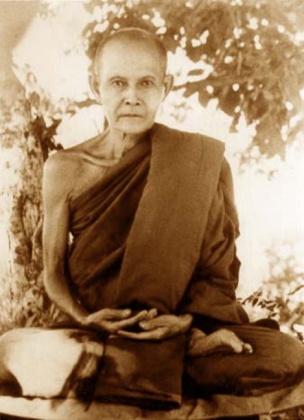
5. “Was the biography compiled from what Luang Ta wrote or stories from his students?” Answered by Ajahn Pasanno. [Ajahn Mahā Boowa] [History/Thai Buddhism] [Dhamma books]
Story: Ajahn Mahā Boowa types Dhamma books and writes letters to practitioners. [Technology] [Teaching Dhamma]
2. “Did Ajahn Chah tend to emphasize certain Dhammas for Westerners and for Thais?” Answered by Ajahn Pasanno. [Teaching Dhamma] [Culture/West ] [Culture/Thailand] [Ajahn Chah]
4. “Do you have any advice about how to hold a particularly strong “fighting spirit” teaching, like Ajahn Dtun?” Answered by Ajahn Pasanno. [Fierce/direct teaching] [Teaching Dhamma ] [Ajahn Dtun] // [Culture/Thailand] [Ardency] [Right Effort] [Restlessness and worry] [Heedfulness] [Discernment] [Goodwill]
Sutta: AN 1.49: The mind is radiant.
Quote: “If you invite visitors into your home [the mind] and they just make a mess, then you want to close the door on them before they come in. You can’t be too polite.” — Ajahn Chah. [Ajahn Chah] [Similes] [Unwholesome Roots]
5. “Did Ajahn Chah ever tell a student to study?” Answered by Ajahn Pasanno. [Ajahn Chah] [Learning ] // [Eightfold Path] [Study monks] [Practicing in accordance with Dhamma]
Quote: “These are not absolute statements. When Ajahn Chah says something, he’s pointing. He just doesn’t work that way. And we take it as an absolute.” [Teaching Dhamma] [Proliferation]
Story: Ajahn Chah monks who became study monks. [Ajahn Bunjong] [Ajahn Mahā In]
4. “When and why did Ajahn Chah talk about his past?” Answered by Ajahn Pasanno. [Ajahn Chah] [Teaching Dhamma] // [Stories]
5. “Did Ajahn Chah say, “I’m such a good teacher because I had so many defilements?”” Answered by Ajahn Pasanno. [Ajahn Chah] [Teaching Dhamma] [Unwholesome Roots]
Story: Ajahn Chah explains that he had a lot of defilements to work with. [Ajahn Vīradhammo]
1. “When you were living with Ajahn Chah, were many of his talks more related to the Korwat or practical matters, as opposed to the High Dhamma?” Answered by Ajahn Pasanno. [Ajahn Chah] [Ajahn Pasanno] [Teaching Dhamma] [Protocols ] [Dhamma]
Quote: “There’s not really a separation.” [Vinaya ]
Comment: Ajahn Chah taught to the situation. Contributed by Ajahn Kaccāna. [Learning] [Sequence of training]
Response by Ajahn Pasanno. [Cessation of Suffering] [Practicing in accordance with Dhamma]
6. Recollection: Traditions around dying in Thailand. Recounted by Ajahn Pasanno. [Culture/Thailand] [Death] // [Tranquility] [Chanting] [Teaching Dhamma] [Clear comprehension] [Rebirth]
14. “Ajahn Pasanno, in your Dhamma talk “Letting Go of the Wheel,” you described a driver who saw an oncoming car cross into his lane and let go of the wheel. Is this a metaphor?” Answered by Ajahn Pasanno. [Relinquishment] [Symbolism/metaphor] [Death]
Quote: “When there’s death in your face, you don’t start negotiating. You have to be willing to let go.”
Follow-up: “So do you let your merit carry you?” [Merit]
2. The current popularity of the Thai Forest Tradition can be attributed to Ajahn Mun. Reflection by Ajahn Pasanno. [Ajahn Mun] [Teaching Dhamma] [Thai Forest Tradition] // [Tudong] [Ajahn Chah] [Spiritual search] [Culture/Thailand]
13. “Ajahn Mun spent a lot of time teaching the devas. Can you share any thoughts on this relevant to Western culture?” Answered by Ajahn Pasanno. [Ajahn Mun] [Teaching Dhamma] [Deva ] [Doubt] [Thai Forest Tradition] [Culture/West] // [Faith] [Ajahn Pasanno] [Nature of the cosmos]
Reference: Venerable Ācariya Mun Bhūridatta Thera: A Spiritual Biography by Ajahn Mahā Boowa
2. “So both Ajahn Mahā Boowa and Ajahn Chah were students of Ajahn Mun? Did they have similar experiences?” Answered by Ajahn Pasanno. [Ajahn Mun] [Ajahn Mahā Boowa] [Ajahn Chah] [Teaching Dhamma] [Thai Forest Tradition] // [Thai sects] [History/Thai Buddhism]
10. “Is there a requirement for monks in the Forest Tradition to walk tudong?” Answered by Ajahn Pasanno. [Thai Forest Tradition] [Tudong ] // [Ascetic practices] [Ajahn Chah] [Restlessness and worry]
Story: Ajahn Chah tells a monk to pack his gear and walk tudong within Wat Pah Pong.
Story: Ajahn Chah lets a restless three-Vassa Western monk go tudong. [Teaching Dhamma]
22. “Ajahn Mun’s biography describes a constant fierce vigilance, watching the mind. But meeting you guys, you’re so peaceful and calm. How does this work in terms of practice?” Answered by Ajahn Pasanno. [Ajahn Mun] [Continuity of mindfulness] [Right Effort] [Tranquility] // [Ajahn Mahā Boowa] [Culture/Thailand] [Dhamma books] [Teaching Dhamma]
Quote: “Any great teacher is not monochromatic.” [Teaching Dhamma] [Buddha] [Arahant]
Sutta: AN 4.243: “But Ānanda, when has Anuruddha ever concerned himself with disciplinary issues in the midst of the Saṅgha?” [Great disciples] [Personality]
20. Comment: I have enjoyed the mindfulness instruction and Dhamma talks very much. When talking about the main subject in English, could you also please use the equivalent word in Pāli? For words such as ‘the Four Noble Truths,’ ‘hindrances,’ and ‘the Four Foundations of Mindfulness,’ etc. [Pāli] [Teaching Dhamma]
4. Comment: I just wanted to share my gratitude for Ajahn Karuṇadhammo, Ajahn Ñāṇiko, and Debbie (you too Luang Por) for giving each day, very needed and timely encouragements—sometimes immediately answering a question I had just posed to myself. It’s like you are all just reading my mind / heart. Questions go deeper and so do your reflections on Dhamma. (Bow, bow, bow, añjali.) [Gratitude] [Ajahn Pasanno] [Ajahn Karuṇadhammo] [Ajahn Ñāṇiko] [Teaching Dhamma] // [Abhayagiri]
5. “There is a borderline between being fierceful (in a wholesome way) and being aggressive. I can’t say anything about Dhamma teachers as I have never experienced Thai Ajahns, but a few yoga teachers I’ve studied with in my opinion were rather just exercising their power over students. How to tell the difference between a teacher who genuinely means well to their students while acting fierce-fully from someone on a power trip?” Answered by Ajahn Pasanno. [Teaching Dhamma] [Fierce/direct teaching ] [Abuse/violence] // [Truth] [Compassion] [Generosity] [Personality ]
Recollection: On the surface, Ajahn Liem appears disinterested in the human condition. [Ajahn Liem] [Wat Pah Pong] [Leadership]
Recollection: Ajahn Chah could be very forceful, but the bigger picture was compassion. [Ajahn Chah]
Quote: “What is the mind of an enlightened being like?” — “Only compassion” — Ajahn Mahā Boowa. [Ajahn Mahā Boowa] [Arahant] [Wat Pah Nanachat]
Sutta: AN 4.243: ‘But Ānanda, since when has Anuruddha been involved in disciplinary issues in the midst of the Saṅgha?’ [Buddha/Biography] [Great disciples] [Conflict]
1. “What was the context in which this reflection was given by Ajahn Chah?” Answered by Ajahn Pasanno. [Ajahn Chah] // [Leadership] [Culture/Thailand] [History/Thai Buddhism]
Recollection: When Ajahn Pasanno first became abbot of Wat Pah Nanachat, he gave monthly teachings at the World Fellowship of Buddhists. [Ajahn Pasanno] [Wat Pah Nanachat] [Abbot] [Teaching Dhamma]
11. “Can tudong be understood as a metaphor for practice? When we carry a lot of heavyweight stuff for a long time, we get tired and need to drop something.” Answered by Ajahn Pasanno. [Symbolism/metaphor] [Clinging] [Suffering] [Relinquishment] [Tudong]
3. “The Buddha didn’t answer the question, ‘Is there a self?’ But this question seems more important than other questions he didn’t answer. How should we relate to not-self?” Answered by Ajahn Pasanno. [Buddha/Biography] [Questions] [Not-self ] // [Teaching Dhamma] [Feeling] [Relinquishment] [Self-identity view] [Four Noble Truths] [Views]
7. “Why go through all the trouble to teach us how to not have a self and then refuse to tell us there is no self?” Answered by Ajahn Pasanno. [Teaching Dhamma] [Middle Path] [Not-self] // [Relinquishment] [Suffering] [Questions] [Aggregates] [Sense bases]
9. “Is renting a good metaphor for not-self?” Answered by Ajahn Pasanno. [Symbolism/metaphor] [Not-self] // [Ajahn Chah]
Quote: “We only rent this house. We don’t own it.” — Ajahn Chah. [Similes]
Reference: “Our Real Home” in Collected Teachings of Ajahn Chah, p. 145
11. Comment: In the classes I teach, we use the acronym R.A.I.N. – Recognize, Allow, Investigate, Not-identify. I explain not-identify by asking my students, “If you say, ‘I am angry,’ when anger goes away, what happens to you?” [Teaching Dhamma] [Self-identity view] [Not-self]
14. Comment: I’ve found it helpful to recognize that for me there aren’t any right answers, only right questions. [Culture/West] [Questions] [Not-self]
Response by Ajahn Pasanno. [Self-identity view]
2. “A film came out recently called Monk with a Camera. How does one balance between pursuing one’s artistic interests and sincerely following a path of relinquishment.” Answered by Ajahn Pasanno. [Monastic life] [Renunciation] [Artistic expression ] // [Self-identity view] [Relinquishment] [Entertainment and adornment] [Generosity] [Energy] [Devotional practice]
Story: Rev. Heng Sure uses music to teach Dhamma. [Rev. Heng Sure] [Teaching Dhamma]
Story: Two Abhayagiri monks learn icon painting from the abbot of the Ukrainian Uniate monastery next door. [Abhayagiri] [Ajahn Jotipālo] [Father Damien] [Holy Transfiguration Monastery]
6. “The jhānas seem foundational to the practice, yet Ajahn Chah was reluctant to talk about them. Is this a view that was pervasive among the other Krooba Ajahns?” Answered by Ajahn Pasanno. [Ajahn Chah] [Teaching Dhamma] [Thai Forest Tradition] [Jhāna ] // [Desire]
Follow-up: “If the jhānas aren’t accessible to everyone, can you still go far along the path without them?” [Eightfold Path] [Right Effort] [Right Concentration] [Self-identity view]
2. Comment: I was saddened to hear that the time for the Q&A may be limited and not all questions may get answered. This Q&A time has been a highlight of this retreat time for me for many years and is quite unique as I have not experienced this extensive Q&A on other retreats. I felt from the first time I sat this retreat that the Q&A was a way that the Saṅgha could communicate even though we are in silence. Hearing all the questions, which are questions we all share, as none are truly unique to the person who asked, makes me feel so much more strongly the community of Saṅgha and the universality of our challenges. Only some of us are able to articulate the words into questions, and your thoughtful, considerate, compassionate, and comprehensive answers have benefitted me and so many others on the retreat. I thank you for all the years of your practice and ANSWERING ALL THE QUESTIONS. Every question is invaluable and important to the person who wrote it. [Questions ] [Meditation retreats ] [Teaching Dhamma] [Saṅgha] [Ajahn Pasanno] [Gratitude]
Response by Ajahn Pasanno.
17. “How are you satisfied and/or dissatisfied with students?” Answered by Ajahn Pasanno. [Teaching Dhamma] // [Blame and praise]
Quote: “Whatever expectations I have are my expectations.” [Teaching Dhamma] [Suffering]
15. “There is a mean streak in my family, a tendency to be dishonest and manipulative. I can see how it has been passed down over generations. I have worked hard to overcome these habits in myself. At this stage of life my familiar relationships are mostly positive and harmonious, but I still sometimes run across their manipulation or dishonesty. I would like to discuss or address it within my family, but there is no apparent recourse or means of addressing the situation. Any suggestions?” Answered by Ajahn Pasanno. [Family] [False speech] [Habits]
Quote: “I don’t teach my family anything.” [Ajahn Pasanno] [Teaching Dhamma]
Story: Ajahn Pasanno’s mother visits Abhayagiri. [Parents] [Kaṭhina]
2. “How could you accomplish studying Buddhism in Thailand with Luang Por Chah? How did Luang Por Chah teach you as a you were a foreigner new monk? How did you cope with the language issue?” Answered by Ajahn Pasanno. [Ajahn Pasanno] [Ajahn Chah ] [Teaching Dhamma] [Monastic life] [Language] // [Culture/Thailand] [Patience] [Wat Pah Pong] [Novices]
Quote: “It’s just like teaching buffaloes.” — Ajahn Chah. [Teaching Dhamma] [Western Ajahn Chah lineage] [Similes]
Quote: “Dhamma is not about the words, about the concepts, about the ideas. It’s about the experience.” — Ajahn Chah. [Dhamma ] [Direct experience ]
12. “Have you ever put a publication together on the retreat questions? Are the talks of this retreat being recorded?” Answered by Ajahn Pasanno. [Meditation retreats] [Questions] [Dhamma recordings] // [Internet] [Dhamma books]
Reference: Abundant, Exalted, Immeasurable by Ajahn Pasanno transcribes the talks and questions from the 2008 Metta Retreat.
26. “What did you plan to say [on this retreat]?” Answered by Ajahn Pasanno. [Teaching Dhamma] [Meditation retreats] // [Ajahn Chah]
2. You get more of the vibe of Ajahn Paññāvaḍḍho by listening to recordings than reading. Comment by Ajahn Jīvako. [Ajahn Paññāvaḍḍho] [Teaching Dhamma] [Dhamma books] [Dhamma recordings]
Reference: Many recordings of Ajahn Paññāvaḍḍho are available on forestdhamma.org.
1. Appreciation for Ajahn Sucitto’s detailed descriptions of the maneuverings of the mind by Ajahn Karuṇadhammo. [Ajahn Sucitto ] [Teaching Dhamma]
Reference: Kamma and the End of Kamma by Ajahn Sucitto.
1. Ajahn Pasanno delights in Ajahn Sumedho’s ability to share Dhamma. [Ajahn Sumedho] [Teaching Dhamma] [Empathetic joy]
2. “Where does the story in the reading come from?” Answered by Ajahn Pasanno. [Stories] // [Commentaries]
Reference: “Khanti – Patient Endurance” from The Real Practice by Ajahn Jayasaro, p. 20.
6. The Buddha taught not-self by encouraging his disciples to ask these questions. [Teaching Dhamma] [Not-self] [Questions] [Philosophy]
Sutta: SN 22.59.5 Anattalakkhaṇa Sutta questionnaire (Chanting Book translation).
Response by Ajahn Pasanno. [Questions] [Skillful qualities] [Ajahn Chah]
4. “When dealing with pain, could you give examples of the questions you would ask yourself?” Answered by Ajahn Pasanno and Ajahn Kaccāna. [Pain] [Questions] [Investigation of states] // [Visualization] [Ajahn Ṭhānissaro] [Elements]
1. “How much did you have to adapt Ajahn Chah’s training for your own practice?” Answered by Ajahn Pasanno. [Ajahn Pasanno] [Ajahn Chah] [Monastic life] // [Teaching Dhamma] [Generosity] [Mindfulness] [Discernment]
Quote: “Ajahn Chah didn’t have a template.” [Teaching Dhamma] [Meditation/Techniques]
3. “How can I change my motivation around trying to get my Buddhist parents to adopt the correct Right View?” Answered by Ajahn Pasanno. [Right View] [Right Intention] [Parents] // [Compassion] [Patience]
Recollection: Ajahn Chah taught in a way that made you think that you figured it out yourself. [Ajahn Chah] [Teaching Dhamma] [Self-reliance]
Ajahn Ñāṇiko quotes the Dtao Te Ching regarding leadership. [Taoism] [Leadership]
3. “What does a delusion type of person look like?” Answered by Ajahn Pasanno, Tan Jāgaro and Ajahn Kaccāna. [Delusion] // [Doubt] [Views]
Story: An anagārika with endless questions. Told by Ajahn Jotipālo. [Postulants] [Ajahn Amaro] [Questions]
1. “What is a good question to pose to yourself to investigate perception?” Answered by Ajahn Pasanno. [Perception] [Questions] // [Ajahn Ṭhānissaro]
2. The meaning of perception (saññā) in the Girimānanda Sutta (AN 10.60). Teaching by Ajahn Pasanno. [Perception] [Recollection] // [Meditation] [Tranquility] [Directed thought and evaluation] [Discernment]
Recollection: Ajahn Pasanno gives instruction from the Girimānanda Sutta to the monks on the first four-week retreat at Dtao Dum. [Ajahn Pasanno] [Dtao Dum] [Teaching Dhamma]
Sutta: MN 43.8-9: Conjoined, not disjoined. [Feeling] [Consciousness]
Sutta: AN 10.57: Ten perceptions culminating in the Deathless. [Deathless]
5. “I notice that you have a very compassionate way of answering questions that are not in line with the Dhamma. Is there a trick that monks undergo to do this?” Answered by Ajahn Pasanno and Ajahn Jotipālo. [Ajahn Pasanno] [Questions] // [Patience] [Energy]
7. “‘Teacher of Gods and Humans’. Can you talk about this? What Gods did the Buddha teach? What other beings did the Buddha teach?” Answered by Ajahn Pasanno. [Recollection/Buddha] [Buddha] [Teaching Dhamma] [Deva] [Human] // [Realms of existence ] [Sutta] [Buddha/Biography] [Ajahn Chah]
Sutta: DN 21: Sakka’s Questions.
Sutta: Snp 2.4: Maṅgala Sutta (Chanting Book translation).
Vinaya: Khandhaka 17.3.11: The Buddha subdues an enraged elephant. [Animal]
Story: Ajahn Chah describes the beings inhabiting Wat Pah Pong. [Wat Pah Pong] [Non-human beings]
Story: The head being acquires faith, listens to teachings, and temporarily takes on the Eight Precepts. [Faith] [Hearing the true Dhamma] [Eight Precepts]
17. “I grew up in an environment where any difference was met with hostility. I was bullied, I was robbed a few times, I didn’t feel safe. No wonder the idea of refuge always resonated with me. … However, even after living in very tolerant California and generally feeling myself safe here, when I am outdoors practicing walking meditation, whenever I see or hear strangers approaching me, my mind begins rushing in anticipation that this encounter would turn hostile. Being on precepts makes me feel particularly vulnerable. Could you share some teaching about protecting qualities of the Dhamma and how I can feel less fear while keeping the precepts? Could some of the monastics share their stories of receiving unexpected kindness from seemingly hostile strangers or stories of resolving physical or verbal attacks while wearing the robes and keeping precepts?” Answered by Ajahn Pasanno. [Discrimination] [Abuse/violence] [Fear] [Three Refuges] [Meditation retreats] [Precepts] [Dhamma] [Monastic life] [Stories] [Generosity] // [Human] [Truth] [Compassion] [Abhayagiri] [Almsround]
Story: A football hooligan has a sharing session with a monk on a train.
Story: Ajahn Gunha wanders into a Communist base on tudong. [Ajahn Gunha] [Tudong] [Politics and society] [Rains retreat]
Story: Ajahn Sudanto goes almsround each day in White Salmon. [Ajahn Sudanto] [Pacific Hermitage]
8. “Do you have any inspiring stories to share of practicing with strong fear (animals,etc)? I’m inspired when I hear such stories from monks of this tradition.” Answered by Ajahn Pasanno. [Fear] [Stories] [Animal]
Story: A tiger circles Ajahn Pasanno’s walking path. [Ajahn Pasanno] [Dtao Dum] [Posture/Walking]
Sutta: MN 4: Fear and Dread.
Story: A tiger kills a 1,500 pound Brahma bull.
10. The story of the Bodhisattva seeing the old person, the sick person, and the dead person isn’t in the scriptures. Teaching by Ajahn Pasanno. [Buddha/Biography ] [Tipiṭaka] [Stories] // [Jātaka Tales] [Postulants]
Sutta: DN 14.2 ascribes this story to the previous Buddha Vipassī. [Previous Buddhas]
Sutta: Snp 3.1 describes the Bodhisattva’s going forth.
14. “Are devas imagery or symbolism, or are they tangible for some people? Particularly the talk around the heavenly minstrels and nagas in the water (Snp 3.11) ....” Answered by Ajahn Pasanno and Ajahn Karuṇadhammo. [Deva ] [Symbolism/metaphor] [Realms of existence] // [Ajahn Pasanno] [Recollection/Devas] [Virtue] [Kamma]
5. “Can you speak about why the number one god in the universe had to appeal to the Buddha to teach out of compassion (MN 26.20)?” Answered by Ajahn Pasanno. [Brahma gods] [Buddha/Biography] [Teaching Dhamma] [Compassion] // [Symbolism/metaphor]
4. Comment: I notice that you sometimes don’t react to the seemingly disrespectful behavior of visitors. [Respect] [Teaching Dhamma]
Response by Ajahn Pasanno. [Buddha]
6. “Can you talk about the dangers of misplaced or wrongly directed faith in a teacher?” Answered by Ajahn Pasanno. [Faith] [Teachers ] [Respect for elders] [Monastic life] // [Recollection/Dhamma] [Middle Path]
Quote: “A good teacher encourages people to practice and figure this out rather than telling them exactly what to do.” [Teaching Dhamma] [Discernment]
10. “I’ve heard that someone asked Ajahn Chah if he could read his students’ minds. He replied that he didn’t need to; he just watched how they walked in the door and bowed. Do you get a feel for this over time?” Answered by Ajahn Pasanno. [Ajahn Chah] [Psychic powers] [Teaching Dhamma] [Mindfulness of body] [Monastic life] [Saṅgha] [Bowing]
11. “When is it skillful to try to help people who are suffering?” Answered by Ajahn Pasanno. [Compassion ] [Suffering] [Teaching Dhamma]
3. Comment: It sounds like teachings about rebirth and teachers speaking about their experience of rebirth are out there. Whether people pick it up or not, you leave it up to them. [Rebirth] [Teaching Dhamma] [Monastic life]
Response by Ajahn Pasanno. [Ajahn Pasanno] [Ajahn Chah] [Faith]
7. “So you’ve asked all your questions?” Answered by Ajahn Pasanno. [Questions] [Teaching Dhamma] [Ajahn Pasanno] [Monastic life]
7. Comment: The essence of Ajahn Chah’s teaching was virtue and Right View. [Teaching Dhamma] [Virtue] [Right View ] [Ajahn Chah] // [Meditation] [Mindfulness] [Concentration]
Reading: Stillness Flowing by Ajahn Jayasaro, p. 594-596: “Sammādiṭṭhi”
8. Comment by Ajahn Ñāṇiko: But in a sense Por Am had wisdom, questioning Ajahn Chah from every possible angle. [Ajahn Chah] [Questions] [Discernment]
Reference: Stillness Flowing by Ajahn Jayasaro, p. 647
Response by Ajahn Pasanno. [Thai] [Wat Pah Pong]
12. “You’re one of the first Western monks that came to see and study under Ajahn Chah. How did Ajahn Chah give you lessons, especially in the beginning when you didn’t speak Thai? Dhamma talks were given in Thai. How did you understand them and how did you learn Thai?” Answered by Ajahn Pasanno. [Ajahn Pasanno] [Teaching Dhamma] [Language ] [Thai] [Ajahn Chah] // [Isan] [Direct experience]
Quote: “Teaching Westerners isn’t difficult. It’s just like teaching buffaloes.” — Ajahn Chah. [Teaching Dhamma] [Similes] [Humor]
Quote: “The language of Dhamma is the language of feeling.” — Ajahn Chah. [Dhamma]
19. A Burmese monk I met credited Ajahn Chah as the person who raised the level of monastic conduct in Thailand. Is this characterization true? Answered by Ajahn Pasanno. [Vinaya] [History/Thai Buddhism] [Ajahn Chah] // [Thai Forest Tradition]
Quote: “One of the beauties of the Buddha’s teaching is that he sowed the seeds within the teaching of its own regeneration if people pick it up and practice it.” [Teaching Dhamma]
14. “What are your thoughts about maintaining a practice you’re at the bedside of someone actively passing away?” Answered by Ajahn Pasanno. [Sickness] [Death ] // [Listening] [Fear] [Personal presence] [Intuition]
Story: Ram Dass anxiously tries to guide his stepmother through the dying process. [Ram Dass] [Teaching Dhamma] [Restlessness and worry] [Mindfulness of mind] [Recollection/Death]
17. “The Buddha had the talent of knowing precisely what to say to a person at a given moment. The teaching ajahns have developed this as well, but I’ve never heard of it as part of the training. Can you reflect on that?” Answered by Ajahn Pasanno. [Teaching Dhamma] [Buddha/Biography] [Monastic teachers] // [Personality] [Discernment] [Idealism] [Ajahn Chah] [Suffering] [Humility] [Relinquishment] [Fear] [Self-identity view]
10. Comment: I’m going to recollect this day, and your kindness in teaching, and the people who planned the Upāsikā Day. [Gratitude] [Teaching Dhamma] [Compassion] [Recollection/Generosity] [Recollection] [Faith]
Response by Ajahn Pasanno. [Abhidhamma] [Teaching Dhamma]
6. “How do we deal with a world full of view and opinions?” Answered by Ajahn Pasanno. [Views ] // [Idealism] [Conditionality] [Impermanence] [Truth]
Story: Sāriputta doesn’t approve of a teaching of the Buddha until he puts it into practice himself. Told by Ajahn Chah. [Great disciples] [Teaching Dhamma] [Direct experience] [Faith] [Ajahn Chah]
2. “I lead two Zoom sessions a week and am running out of material. Can you suggest guided meditations from this tradition?” Answered by Ajahn Pasanno. [Teaching Dhamma] // [Trust] [Dhamma books] [Amaravati] [Self-reliance]
1. Quote: “What is the essence of the Buddha’s teachings?” — “Is this a big piece of wood or a little piece of wood?” — Ajahn Chah. Quoted by Ajahn Pasanno. [Ajahn Chah] [Teaching Dhamma] [Conventions] // [Desire] [Four Noble Truths]
2. “What is the origin of asking a question three times?” Answered by Ajahn Pasanno. [Questions] [Teaching Dhamma] [Sutta] [Buddha/Biography]
Sutta: AN 4.42: Questions
3. “Please offer ideas on ways Dhamma meditation communities can strike a balance between beginners and experienced meditators.” Answered by Ajahn Pasanno. [Meditation groups] [Teaching Dhamma] [Lay teachers] [Long-term practice] // [Generosity] [Cleanliness]
9. Reflection by Ajahn Pasanno: Our warm relationship with the City of Ten Thousand Buddhas. [City of Ten Thousand Buddhas ] [Communal harmony] [Abhayagiri] // [Master Hsuan Hua] [Ajahn Sumedho] [Non-contention]
Story: Ajahn Sumedho is invited to teach from Master Hua’s Dhamma seat. [Teaching Dhamma]
Recollection: The first days of Wat Pah Nanachat. [Wat Pah Nanachat] [Ajahn Chah] [Ajahn Pasanno]
12. Comment by Ajahn Pasanno: These days Ajahn Sumedho is on fire teaching Dhamma. [Ajahn Sumedho ] [Teaching Dhamma] // [Amaravati] [Ageing]
Quote: “He’s not talking a lot about the details. He’s talking about the essence. It’s very beautiful.” [Teaching Dhamma] [Liberation] [Knowledge and vision] [Simplicity] [Proliferation]
Note: As of mid-2024, Ajahn Sumedho continues to give weekly Dhamma talks available on Amaravati’s YouTube channel.
13. Reflection by Ajahn Pasanno: Ajahn Chah is the inspiration for all of us. [Ajahn Chah] [Faith] // [Respect for elders] [Ajahn Pasanno] [Knowing itself] [Teaching Dhamma] [Simplicity]
Quote: “If buffaloes can learn, surely these farangs [foreigners] can learn.” — Ajahn Chah. [Western Ajahn Chah lineage] [Teaching Dhamma]
5. Reflection by Ajahn Sudanto: The frequency of teachings and level of Dhamma practice is uncommon even among Thai Ajahn Chah monasteries. [Teaching Dhamma] [Abhayagiri ] // [Ajahn Pasanno] [Ajahn Amaro] [Ajahn Chah monasteries]
16. Reflection by Ajahn Karuṇadhammo: Abhayagiri is a living tradition in a thread that goes back more than 2,500 years. [Teaching Dhamma] [Abhayagiri ] [Communal harmony] // [Gratitude] [Determination] [Culture/West]
6. “Is there a right speed to silent walking?” Answered by Ajahn Pasanno. [Posture/Walking] // [Abhayagiri] [Postures] [Continuity of mindfulness]
Story: Jack Kornfield asks Ajahn Chah, “Whenever you teach walking meditation, you always teach the monks to walk slowly. But whenever you walk meditation, you walk really fast. [Ajahn Chah] [Jack Kornfield] [Teaching Dhamma] [Exercise]
Translations of sampajañña (clear comprehension) and its role in Dhamma practice. [Clear comprehension ] [Translation] [Mindfulness]
1. Ajahn Pasanno mentions the Question and Story Archive. [Questions] [Ajahn Pasanno] [Abhayagiri] [Dhamma online]
4. “Would you be willing to share memories of Ajahn Chah?” Answered by Ajahn Pasanno. [Ajahn Chah] // [Ajahn Pasanno ] [Temporary ordination] [Personality] [Not-self] [Equanimity]
When asked about the core essence of the Buddha’s teachings, Ajahn Chah replies, “Is this a big stick or a little stick?” [Teaching Dhamma] [Conventions] [Cause of Suffering]
Story: Ajahn Chah pretends to forget simple questions in order to embarrass his translator. [Forest versus city monks] [Media] [Aversion] [Questions] [Translation] [Similes]
Recollection: Ajahn Pasanno writes to his family that he’s staying in Thailand because Ajahn Chah is peaceful, solid, clear, and unshakeable in the midst of all that’s going on around him. [Family] [Tranquility] [Clear comprehension]
8. I arrived when Abhayagiri turned five. Recollection by Ajahn Ñāṇiko. [Ajahn Ñāṇiko ] [Abhayagiri] // [Ajahn Karuṇadhammo] [Ajahn Sudanto] [Ordination] [Sīladharā]
Recollection: The little house was the beating heart of Abhayagiri. [Lodging] [Ajahn Amaro] [Ajahn Pasanno] [Questions] [Gratitude] [Goodwill]
Quote: “I want to ordain. What do I do?” — Ajahn Ñāṇiko’s first email to the Abhayagiri guestmonk. [Ajahn Achalo] [Idealism]
Story: “Look, I’m not here to make friends. I’m here to practice.” [Spiritual friendship]
Quote: “Don’t think about it too much.” — Ajahn Pasanno to Ajahn Ñāṇiko. [Monastic life/Motivation] [Proliferation]
1. Story: Ajahn Dune visits Wat Pah Nanachat. His followers ask the young abbot Ajahn Pasanno to give a Dhamma talk. Told by Ajahn Pasanno. [Ajahn Pasanno] [Wat Pah Nanachat] [Ajahn Dune] [Teaching Dhamma] [Nibbāna]
Story: After the talk, someone asks, “What is Nibbāna like?” Ajahn Pasanno responds, “Nibbāna is not like anything.” Ajahn Dune approves. [Similes] [Direct experience]
5. “Can you give some context to the story of Ajahn Chah getting angry and yelling at a monk and then regretting it, practicing with it?” Answered by Ajahn Pasanno. [Ajahn Chah] [Aversion] // [Unwholesome Roots] [Fierce/direct teaching] [Protocols]
Recollection: Ajahn Chah said that it wasn’t until he took on the responsibility of teaching others that he really gained wisdom. [Teaching Dhamma] [Discernment]
Reference: “Toilets on the Path,” Collected Teachings of Ajahn Chah, p. 723.
6. “You mentioned that often Ajahn Chah pushed his students through their suffering in order to help them let go. Can you share specific examples of this happening?” Answered by Ajahn Pasanno. [Ajahn Chah] [Suffering] [Teaching Dhamma] [Relinquishment]
Story: A restless ex-monk asks to reordain. Ajahn Chah says he will keep him as an anagārika for seven years. [Restlessness and worry] [Postulants] [Sequence of training]
Story: After one year, the restless monk asks to go tudong. [Tudong]
5. “When you give a teaching to many people, is there a special technique? Because there were no loud speakers or microphones. When the audience is 1,000 people, is there somebody repeating every 20 meters?” Answered by Ajahn Amaro. [Teaching Dhamma] // [Buddha/Biography]
1. Comment: I heard that often when Ajahn Buddhadāsa would be receiving guests he might have a chicken under his arm. And if a mosquito landed on him, he would gently move the chicken towards the mosquito, and that way he wasn’t breaking the Vinaya. [Ajahn Buddhadāsa ] [Animal] [Killing]
Response by Ajahn Amaro: His presence was like sitting in front of a living mountain. [Personal presence]
Story: Ajahn Amaro’s visit to Suan Mokh in 1998. [Wat Suan Mokkh] [Ajahn Amaro] [Ajahn Paññānanda] [Non-identification] [Teaching Dhamma] [Ajahn Santikaro]
1. Discussion about why the bhikkhus did not approve of the Buddha’s teachings in the Mūlapariyāya Sutta (MN 1). [Teaching Dhamma] [Blame and praise] // [Culture/India] [Tipiṭaka] [Right View] [Hinduism]
1. “Would you say that with the ending of greed, hatred, and delusion that these are eradicated and don’t arise anymore?” Answered by Ajahn Pasanno. [Unwholesome Roots] [Cessation] // [Knowledge and vision] [Cause of Suffering] [Buddha] [Arahant]
Follow-up: “We hear sometimes that it arises, but the person isn’t grasping it.”
Comment by Ajahn Karuṇadhammo: This is similar to Ajahn Chah’s declaration, “Yes, I have a lot of anger, but I don’t pick it up.” [Ajahn Chah] [Aversion] [Relinquishment]
Story: Ajahn Chah explains that the many lines in his palm mean that he had lots of suffering. [Suffering] [Ajahn Vīradhammo] [Teaching Dhamma] [Discernment]
5. “Yesterday you mentioned that arahants as well take on some of these practices of the gradual path. What happens in their mind with these practices?” Answered by Ajahn Pasanno. [Arahant ] [Gradual Teaching] // [Liberation]
3. “I have the impression that Ajahn Chah concentrated on direct realization and the practice of meditation. He didn’t recommend reading too much, but instead reading our mind. You mentioned the 37 faculties/tools to purify our mind. For a lay person, this is a long study. Is it enough for us as laypeople to just have the practice of being here now?” Answered by Ajahn Pasanno. [Ajahn Chah] [Meditation] [Aids to Awakening] [Lay life] [Present moment awareness] // [Paul Breiter] [Four Noble Truths] [Right View] [Faith] [Learning]
Quote: “There needs to be a catalyst. We have to challenge the mind. That’s where the structure of the teachings is important.” [Teaching Dhamma] [Delusion]
Follow-up: “If we practice meditation, does understanding come naturally?” [Discernment]
Response by Ajahn Pasanno and Ajahn Karuṇadhammo. [Liberation] [Spiritual friendship] [Appropriate attention] [Tranquility] [Relinquishment]
Story: Ajahn Sumedho spends his first year as a monk in solitary meditation reading only Word of the Buddha by Venerable Ñāṇatiloka (pdf unavailable). [Ajahn Sumedho] [Monastic life]
Follow-up: “Having kids is a big structure.” [Children]
Response by Ajahn Pasanno. [Teaching Dhamma]
1. Comment by Ajahn Karuṇadhammo: AN 7.61 goes from some basic aspects of training through a graduated training. [Gradual Teaching]
Response by Ajahn Pasanno. [Sloth and torpor] [Mutual lay/Saṅgha support] [Idle chatter] [Spiritual friendship]
3. Comment by Ajahn Kaccāna: The Buddha uses similar pedagogical techniques in MN 75 and MN 74. [Teaching Dhamma] [Buddha/Biography] [Views]
Response by Ajahn Pasanno.
4. “How does atammayatā relate to Ajahn Chah’s simile about oil and water, the mind and the mind objects being separate?” Answered by Ajahn Amaro and Ajahn Pasanno. [Non-identification] [Ajahn Chah] [Similes ] [Nature of mind]
Quote: “Inside is Dhamma, outside is Dhamma, everything is Dhamma.” — Ajahn Chah. Quoted by Ajahn Amaro. [Dhamma]
Quote: “All symbols and similes are partially relevant. All analogies are partial.” — Ajahn Amaro. [Symbolism/metaphor]
5. Recollections of Ajahn Dune by Ajahn Pasanno and Ajahn Amaro. [Ajahn Dune] [Ajahn Pasanno] [Ajahn Amaro] // [Teaching Dhamma] [Wat Burapha]
Quote: “The noise that comes from the town is just minding its own business. Why do you go out and bother it?” — Ajahn Dune. Quoted by Ajahn Amaro. [Contact] [Equanimity]