
17 excerpts, 44:18 total duration
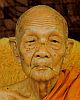
3. Story: The Queen invites the best neurosurgeons to help Ajahn Chah in a special suite in Chulalongkorn Hospital. Told by Ajahn Pasanno. [Ajahn Chah] [Sickness] [Royalty] [Health care] // [Saṅgha decision making]
Story: Ajahn Dune occupies the suite after Ajahn Chah. [Ajahn Dune]
1. Story: Ajahn Dune visits Wat Pah Nanachat. His followers ask the young abbot Ajahn Pasanno to give a Dhamma talk. Told by Ajahn Pasanno. [Ajahn Pasanno] [Wat Pah Nanachat] [Ajahn Dune] [Teaching Dhamma] [Nibbāna]
Story: After the talk, someone asks, “What is Nibbāna like?” Ajahn Pasanno responds, “Nibbāna is not like anything.” Ajahn Dune approves. [Similes] [Ajahn Dune] [Direct experience]
5. Recollections of Ajahn Dune by Ajahn Pasanno and Ajahn Amaro. [Ajahn Dune] [Ajahn Pasanno] [Ajahn Amaro] // [Teaching Dhamma] [Wat Burapha]
Quote: “The noise that comes from the town is just minding its own business. Why do you go out and bother it?” — Ajahn Dune. Quoted by Ajahn Amaro. [Ajahn Dune] [Contact] [Equanimity]
14. “Sometimes we hear that with practice, some qualities change, but other qualities don’t change very much over a long time of practice. When I read certain biographies [of Buddhist teachers], it seems like certain rough qualities can remain even though the mind is pure. How to know the difference in oneself and others?” Answered by Ajahn Pasanno. [Long-term practice] [Personality ] [Teachers] [Fierce/direct teaching] [Unskillful qualities] // [Suffering] [Unwholesome Roots] [Relinquishment] [Hindrances]
Ajahn Pasanno describes the personality of great teachers he has met. [Ajahn Mahā Boowa] [Ajahn Thate] [Ajahn Dune] [Ajahn Chah]
Reflection: The arahant disciples of the Buddha were able to free their minds, but they all had different personalities. [Arahant] [Buddha] [Great disciples ]
Sutta: SN 14.15 Caṅkama Sutta: Monks with different personalities gather around the great disciples.
Note: Ajahn Pasanno mentions the similarly-themed Cūḷagosiṅga Sutta (MN 31) by name, but describes the content of the Caṅkama Sutta.