
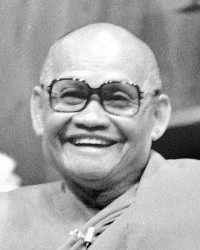
3. Story: Heng Shun visits Ajahn Chah. Told by Bhikshu Heng Shun. [Bhikshu Heng Shun] [Ajahn Chah] // [Paul Breiter] [Ajahn Anando] [Master Hsuan Hua]
Reference: Venerable Father by Paul Breiter (commercial).
“Very imposing, very strict, very straightforward, and very challenging.” — Heng Shun describes Ajahn Chah [Ajahn Chah] [Personality]
1. Story: Meeting Buddhism in Thailand and becoming a Saṅghapāla board member. Told by Fred Kral. [Culture/Thailand] [Saṅghapāla] // [Ajahn Buddhadāsa] [Wat Ram Poeng] [Ajahn Chah] [Meditation retreats] [Dhammapala] [Ajahn Amaro]
2. Reflection by Ajahn Amaro: The qualities of the heart are what really matters. [Skillful qualities] // [Memory] [Impermanence]
Quote: “This is a broken glass.” — Ajahn Chah. [Ajahn Chah]
3. Story: Ajahn Amaro hears of Master Hsuan Hua through Ajahn Sumedho. Told by Ajahn Amaro. [Ajahn Amaro] [Master Hsuan Hua] [Ajahn Sumedho] // [Chithurst] [City of Ten Thousand Buddhas]
Quote: “I always thought I would never meet anyone else like Luang Por Chah, but I just met another one.” — Ajahn Sumedho. [Ajahn Chah]
6. Recollection: Ajahn Sumedho delays the opening of a San Francisco vihara in 1992. Recounted by Ajahn Amaro. [Ajahn Amaro] [Ajahn Sumedho] // [Ajahn Chah] [Disrobing]
1. Story: A man in an airport asks Ajahn Chah, “If everyone is Buddhist, why are there so many thieves in Thailand?” Told by Ajahn Pasanno. [Ajahn Chah] [Culture/Thailand] [Stealing] [Virtue] [Precepts]
3. Story: Once a junior monk approached Ajahn Chah and listed all Ajahn Chah’s faults. Ajahn Chah replied, “It’s a good thing you’re not looking for perfection in yourself!” Told by Ajahn Jotipālo. [Ajahn Chah] [Virtue] [Perfectionism]
6. Story: Ajahn Pasanno visits the elderly Cambodian monk Mahāghosānanda who has Alzheimer’s disease. Told by Ajahn Pasanno. [Preah Mahāghosānanda] [Ajahn Pasanno] [Sickness] // [Dalai Lama] [Divine Abidings] [Ajahn Chah] [Heart/mind]
Quote: “That thing you learn in meditation—that you don’t lose.” — Ajahn Fuang. [Ajahn Fuang] [Meditation] [Liberation]
Story: A monk known for psychic powers visits Ajahn Chah’s sick room and reports: “You don’t have to worry about Ajahn Chah. His heart is so bright.” [Ajahn Phut] [Ajahn Chah] [Psychic powers] [Wat Pah Nanachat] [Lunar observance days] [Dependent origination]
13. “When you’re living on the precepts, how do I relate to (for example) a friend who tells me about an affair they are having?” Answered by Ajahn Pasanno and Ajahn Jotipālo. [Precepts] [Spiritual friendship] [Sexual misconduct] // [Skillful qualities] [Admonishment/feedback] [Discernment] [Right Speech] [Vinaya] [Abhayagiri]
Quote: “Don’t admonish your fellow monks before the meal.” — Ajahn Chah. Quoted by Ajahn Pasanno. [Ajahn Chah] [Monastic life] [Food] [Eating after noon]
2. Comment: Dr. Saddhatissa’s translation of the Sutta Nipāta uses common language. [Dr. Saddhatissa] [Translation]
Story: Ajahn Chah told Ajahn Sumedho to take Dr. Saddhatissa as the Saṅgharāja of England. Told by Ajahn Pasanno. [Ajahn Chah] [Elders' Council]
6. Story: Ajahn Sumedho admonishes a misbehaving monk at Pāṭimokkha when Ajahn Chah was away. The monk disappears the next day. Told by Ajahn Pasanno. [Ajahn Sumedho] [Admonishment/feedback] [Pāṭimokkha] [Right Speech] // [Culture/Thailand] [Ajahn Chah]
Quote: “True but not right; right but not true.” — Ajahn Chah. [Ajahn Chah] [Truth]
2. “In meditation, why does the Buddha tell us to deliberately shut down the voices of papañca as opposed to just sitting?” Answered by Ajahn Pasanno. [Meditation] [Proliferation] // [Self-identity view]
Quote: “There’s only two things you have to do: know and let go.” — Ajahn Chah. [Ajahn Chah] [Mindfulness] [Relinquishment]
5. “Could you tell us your stories related to the King Rama 9 of Thailand?” Answered by Ajahn Pasanno. [King Rama IX] [Culture/Thailand] // [Leadership] [Meditation] [Recreation/leisure/sport] [Commerce/economics]
Story: Thai lay supporters remember King Rama IX at Abhayagiri’s 2016 Kaṭhina. [Abhayagiri] [Kaṭhina]
Story: King Rama IX attends Ajahn Chah’s funeral. [Ajahn Chah] [Funerals] [Wat Pah Pong] [Tranquility]
Story: King Rama IX asks President Nixon for understanding. [Politics and society] [Communal harmony] [Listening]
6. “Does the Buddha say all beings are inherently good? How about generosity? Do all human beings have the capacity for generosity?” Answered by Ajahn Pasanno. [Nature of mind ] [Generosity ]
Sutta: AN 1.51-52
Story: A Mafia boss stays under Ajahn Chah’s kuti and helps out at Wat Pah Pong. [Ajahn Chah] [Crime] [Wat Pah Pong] [Precepts]
Quote: “Generosity is an important doorway for many reasons.”
9. “Can Ajahn Pasanno teach us how Ajahn Chah teaches or gives techniques on physical states and mental states? Can you tell us more about Ajahn Chah’s biography, for example, when and how Ajahn Chah wanted to become a monk?” Answered by Ajahn Pasanno. [Ajahn Chah] [Body/form] [Heart/mind] // [Christianity] [Conditionality]
Recollection: Ajahn Chah engaged in conversation with the villagers before the meal to reveal the junior monks’ desires around food. [Ajahn Chah] [Idle chatter] [Food] [Sensual desire]
Advice from Ajahn Chah: “Don’t admonish anybody before the meal.” [Ajahn Chah] [Admonishment/feedback]
Update about the progress on the new Ajahn Chah biography. [Ajahn Chah] [Dhamma books] [Ajahn Jayasaro] [Ajahn Kovilo]
Reference: Stillness Flowing by Ajahn Jayasaro
Story: Nine year old Ajahn Chah goes to the monastery after getting fed up with household chores. [Ajahn Chah] [Culture/Thailand] [Geography/Thailand] [Faith] [Monasteries] [Family] [Work]
2. “I often find it hard to stay settled on the breath. Though I’ve been meditating for some time, my mind does not seem to focus well. When things are going “well”, I feel sense of joy but my mind jumps from topic to topic quickly (as though excited it’s going well). When things aren’t going well, my mind shifts into work mode, trying to “fix” the situation and bring the joy back. This results in a lot of tension in my face and long, difficult sittings. Do you have any advice?” Answered by Ajahn Pasanno. [Mindfulness of breathing] [Meditation/General advice] [Meditation/Results] // [Tranquility] [Self-reliance] [Trust]
Quote: “That’s really a farang Buddha. Look how tense he is!” — Ajahn Chah. [Ajahn Chah] [Buddha images] [Culture/West] [Ajahn Sumedho]
12. “I am wondering if you could talk about spiritual bypass? What is it? How do you know if you’ve done it? And how do you disentangle from it?” Answered by Ajahn Pasanno. [Spiritual bypass ] // [Conflict] [Not-self] [Truth] [Views] [Spiritual friendship]
Story: Half the roof blows off a monk’s kuti, but he doesn’t repair it because he is letting go. [Ajahn Chah] [Lodging] [Relinquishment]
13. “I remember reading some stories of Ajahn Chah teaching lay people about herbal medicines. I know some Tibetan monks practice medicine. Is there such a tradition in Thailand? Are there any stores of Ajahn Chah healing people physically with traditional medicines?” Answered by Ajahn Pasanno. [Ajahn Chah] [Health care] [Medicinal requisites ] [Culture/Thailand] [Healing] // [Thai Forest Tradition] [History/Thai Buddhism] [Vinaya] [Right Livelihood] [Almsfood]
Recollection: Walking around the forest with Ajahn Chah. [Ajahn Chah] [Culture/Natural environment]
Story: Bung Wai villagers walk to Wat Pah Pong to practice meditation all night on Wan Phra. [Wat Pah Nanachat] [Ajahn Chah] [Wat Pah Pong] [Lunar observance days] [Monastic routine] [Meditation]
Story: Por Am argues with Ajahn Chah for three days. [Ajahn Chah] [Doubt] [Precepts]
Story: Ajahn Chah teaches Por Am to be a herbal doctor so he can keep the precepts. [Ajahn Chah]
Recollection: The hunter-gatherer culture of Northeast Thailand. [Food] [Agriculture] [Killing] [Geography/Thailand]
5. “I was struck by the suggestion you shared about orienting oneself toward what one can give to a moment rather than what one can get from a moment. This mind shift seems hugely beneficial. Would you expand on this?” Answered by Ajahn Pasanno. [Generosity] [Present moment awareness ] // [Patience ] [Tranquility]
Recollection: “Nine times out of ten, Ajahn Chah’s answer would be, ‘Just be patient.’” [Ajahn Chah]
Reference: Don’t Hold Back by Ajahn Pasanno
12. “It’s a common phrase: “If you see the Buddha on the road, kill him.” Obviously it’s using hyperbole for effect but I think it means to trust only in your own experience. At what point do the guidelines and precepts leave off and the way to proceed on findings begins? I know it’s not a linear path, but I’d appreciate your thoughts.” Answered by Ajahn Pasanno. [Direct experience] [Precepts] [Trust] [Long-term practice] // [Zen] [Vinaya] [Dhamma] [Relinquishment] [Middle Path]
Quote: “The Vinaya and the precepts are for holding on, and the Dhamma is for letting go. When you learn how to balance those two, then you will be free from dukkha.” — Ajahn Chah to Ajahn Sumedho. [Ajahn Chah] [Ajahn Sumedho] [Liberation]
1. “Thank you for additional information on the Sound of Silence. I’ve known of the Sound of Silence, but not that there was any formal or structured practice around it. I’m wondering if Ajahn Chah or his predecessors did any teachings on this or if there are suttas related to it.” Answered by Ajahn Pasanno. [Sound of silence] [Ajahn Chah] [Sutta] // [Ajahn Sumedho]
Reference: Inner Listening by Ajahn Amaro.
7. “‘Teacher of Gods and Humans’. Can you talk about this? What Gods did the Buddha teach? What other beings did the Buddha teach?” Answered by Ajahn Pasanno. [Recollection/Buddha] [Buddha] [Teaching Dhamma] [Deva] [Human] // [Realms of existence ] [Sutta] [Buddha/Biography] [Ajahn Chah]
Sutta: DN 21: Sakka’s Questions.
Sutta: Snp 2.4: Maṅgala Sutta (Chanting Book translation).
Vinaya: Khandhaka 17.3.11: The Buddha subdues an enraged elephant. [Animal]
Story: Ajahn Chah describes the beings inhabiting Wat Pah Pong. [Ajahn Chah] [Wat Pah Pong] [Non-human beings]
Story: The head being acquires faith, listens to teachings, and temporarily takes on the Eight Precepts. [Faith] [Hearing the true Dhamma] [Eight Precepts]
5. “Can you please give some guidance on recognizing delusion in the mind? Greed and aversion seem easier to spot.” Answered by Ajahn Pasanno. [Delusion ] // [Restlessness and worry] [Fear] [Self-identity view]
Quote: “It’s like riding along on a horse and asking, ‘Where’s the horse? Where’s the horse?’” — Ajahn Chah. [Ajahn Chah] [Jack Kornfield]
10. “I was wondering how I include the discernment obtained from lifting up the mind to solve a life issue. I wish I could be more intelligent and brighter to solve my life problem in a skillful way. Please advise.” Answered by Ajahn Pasanno. [Discernment] [Everyday life ] // [Trust] [Meditation retreats] [Time management]
Story: A disciple of Ajahn Chah moves to Bangkok. [Ajahn Chah] [Lay life] [Commerce/economics]
11. “It is the eighth evening of the retreat; feels timely to ask what was Ajahn Chah’s teaching for local lay people regarding sexual desire and sexual misconduct. Did he make a different emphasis when he taught westerners?” Answered by Ajahn Pasanno. [Ajahn Chah] [Lay life] [Sensual desire] [Sexual misconduct] [Culture/West] // [Culture/Thailand]
Story: In response to questions about sexuality, Ajahn Chah picks his nose. [Ajahn Chah] [Insight Meditation Society] [Humor]
9. Reflections by Ajahn Pasanno on AN 3.136: “Whether a Buddha appears in the world or not …” [Characteristics of existence] [Buddha] // [Truth]
Quote: “Whether you’ve got a well or don’t have a well, there’s water in the ground.” — Ajahn Chah. [Ajahn Chah] [Similes]
2. Reflection by Ajahn Pasanno: Ajahn Chah as a focus of devotion. [Ajahn Chah] [Devotional practice] // [Respect for elders] [Skillful qualities]
Quote: “Ajahn Chah was an exemplary being and incredible teacher, but that didn’t mean that you always agreed with him or that he was always just very nice to you all the time.” [Ajahn Chah] [Human]
Recollection: The annual Ajahn Chah remembrance day in January. [Ajahn Chah Remembrance Day] [Ajahn Chah Stupa]
4. Quote: “I just follow the Buddha. You do the same.” — Ajahn Chah. Quoted by Ajahn Pasanno. [Ajahn Chah] [Buddha] // [Humility] [Three Refuges]
6. Comment: I’ve been reflecting on freedom from as opposed to freedom within. Sometimes there’s a secret hope that those thoughts will go away, vibhava-taṇhā, as opposed to freedom within, meaning releasing the identification with painful thoughts. [Craving not to become] [Self-identity view] [Release] [Directed thought and evaluation] // [Hindrances]
Response by Ajahn Pasanno. [Suffering]
Quote: “Just that much.” — Ajahn Chah. [Ajahn Chah] [Disenchantment]
1. Quote: “That person is making me suffer. … If they would just smarten up and do what I like, then I would be happy. My life would be smooth and peaceful again, just like it always was before.” — Ajahn Pasanno. [Cause of Suffering] [Humor] [Politics and society]
Quote: “Don’t believe your mind. It’s a liar and a cheat.” — Ajahn Chah. [Ajahn Chah] [Heart/mind] [False speech] [Delusion]
13. “Did Ajahn Chah ever speak about politics?” Answered by Ajahn Pasanno. [Ajahn Chah] [Politics and society] // [Fear] [Proliferation] [History/Thai Buddhism] [Military]
Story: Driving through military checkpoints on the way to Ajahn Fun’s funeral. [Ajahn Fun] [Funerals] [Ajahn Chah] [Ajahn Pasanno]
15. “One of the reflections that was sent online described Ajahn Chah’s response to monks who wanted to go out and help refugees. Can you speak to this?” Answered by Ajahn Pasanno. [Ajahn Chah] [Monastic life] [Service] [Politics and society] // [Thai Ajahn Chah monasteries] [Military] [Conflict]
Story: Ajahn Pasanno spends time at a Cambodian refugee camp. [Ajahn Pasanno] [Preah Mahāghosānanda]
16. “I spread lovingkindness from home and don’t have the good fortune of meeting with like minds who practice to perfect sīla. Any suggestions?” Answered by Ajahn Pasanno. [Lay life] [Goodwill] [Spiritual friendship] [Virtue]
Quote: Ajahn Chah to Ajahn Sumedho: “Do you mean to say there’s no good people in America?” [Ajahn Chah] [Ajahn Sumedho] [Culture/West]
2. “How closely do you and the other monks live together?” Answered by Ajahn Pasanno. [Monastic life] [Saṅgha] [Abhayagiri] // [Ajahn Chah] [Communal harmony ] [Vinaya] [Seclusion] [Culture/West] [Culture/Thailand] [Monastic routine]
Quote: “Human beings. Those are beings with issues.” — Ajahn Chah. [Ajahn Chah] [Human] [Conflict]
3. “When you first ordained, you were just starting to learn about Buddhism. What changed that made you want to dive in?” Answered by Ajahn Pasanno. [Ajahn Pasanno] // [Meditation/Results] [Ajahn Chah]
Story: “If you want to stay with me, you have to stay at least five years.” — Ajahn Chah [Ajahn Chah]
5. “How do we break the chain of dependent origination?” Answered by Ajahn Pasanno. [Dependent origination] // [Suffering]
Quote: “As you’re falling out of a tree, you’re not counting the branches as you go down. All you know is that when you hit the bottom, it’s going to hurt.” — Ajahn Chah. [Ajahn Chah]
5. “What about Sarakāni (SN 55.24-25), the stream enterer who took to drink?” Answered by Ajahn Pasanno. [Stream entry] [Intoxicants] // [Ajahn Chah] [Precepts]
Story: Ajahn Chah takes in a gangster. [Ajahn Chah] [Crime]
9. “When the suttas describe a practitioner as “having gone beyond doubt,” (e.g. DN 3) what do they mean?” Answered by Ajahn Pasanno. [Doubt] [Sutta] // [Four Noble Truths] [Teaching Dhamma] [Ajahn Chah]
Story: An Ajahn Chah monk accused of a heavy offense. [Ajahn Chah] [Vinaya]
2. “Who were important mentors for you?” Answered by Ajahn Pasanno. [Ajahn Pasanno] [Teachers] [Mentoring] [Monastic life] // [Ajahn Chah] [Ajahn Jun] [Ajahn Mahā Amorn] [Ajahn Liem] [Ajahn Sumedho] [Ajahn Mahā Boowa] [Ajahn Baen] [Ajahn Buddhadāsa] [P. A. Payutto] [Wat Pah Pong]
Story: Ajahn Mahā Amorn goes to study with Ajahn Chah. [Ajahn Chah] [Learning]
1. “What can we learn when we pay respects to mentors?” Answered by Ajahn Pasanno. [Respect for elders] [Monastic life] // [Ajahn Mahā Boowa] [Almsround] [Ajahn Pasanno]
Story: Ajahn Mahā Boowa visits after Ajahn Chah’s death. [Ajahn Chah]
Story: Ajahn Baen admonishes Ajahn Pasanno at Ajahn Chah’s cremation. [Ajahn Baen] [Fierce/direct teaching]
Quote: “You don’t have to visit me! You know what to do already! It’s all right here (pointing at his heart).” — Ajahn Baen to Ajahn Pasanno.
3. “Can you talk about Ajahn Chah’s use of bowing, communal pūjās, and chores?” Answered by Ajahn Pasanno. [Ajahn Chah] [Monastic routine] [Chanting] [Saṅgha] [Monastic life] [Work] [Bowing] // [Becoming] [Mutual lay/Saṅgha support] [Respect for elders]
Story: A Westerner asks Ajahn Chah, “Why do we bow?” [Ajahn Chah]
1. “Ajahn Chah encouraged his monks to all come together for communal chores and stay until the chores are finished. Why is that?” Answered by Ajahn Pasanno. [Ajahn Chah] [Work] [Monastic life] [Saṅgha] // [Communal harmony] [Relinquishment] [Clinging] [Culture/West]
7. “What is the role of admonishment? How do we admonish skillfully?” Answered by Ajahn Pasanno. [Admonishment/feedback ] [Monastic life] [Saṅgha] // [Right Intention] [Goodwill] [Mentoring] [Respect for elders]
Vinaya: Khandhaka 18.11.14, Khandhaka 18.12.8: Mutual admonishment between teacher and student.
Story: Ajahn Amaro waits a year before giving feedback. [Ajahn Amaro] [Patience]
Quote: “Don’t admonish somebody before the meal.” — Ajahn Chah. [Ajahn Chah]
10. “I’ve heard that someone asked Ajahn Chah if he could read his students’ minds. He replied that he didn’t need to; he just watched how they walked in the door and bowed. Do you get a feel for this over time?” Answered by Ajahn Pasanno. [Ajahn Chah] [Psychic powers] [Teaching Dhamma] [Mindfulness of body] [Monastic life] [Saṅgha] [Bowing]
2. “How do we discern the benefit of dhutaṅga practices and how much is too much?” Answered by Ajahn Pasanno. [Discernment] [Middle Path] [Monastic life] [Ascetic practices] // [Ajahn Pasanno] [Devotion to wakefulness] [Almsround] [History/Early Buddhism] [Gladdening the mind] [Ajahn Chah] [Master Hsuan Hua]
Story: Ajahn Jayasaro determines sitter’s practice until Ajahn Chah dies. [Ajahn Jayasaro] [Ajahn Chah] [Respect for elders] [Determination]
[Session] Ajahn Pasanno introduces the Ajahn Chah Compilation Video and Stillness Flowing by Ajahn Jayasaro. [Ajahn Chah] [Dhamma books] // [Goodwill] [Compassion] [Personal presence] [History/Western Buddhist monasticism]
Reference: The Ajahn Chah Compilation Video on YouTube [Ajahn Chah]
Reference: The Buddha Comes to Sussex (BBC, 1979) on Youtube [Ajahn Chah] [History/Western Buddhism] [Chithurst]
Reference: The Mindful Way (BBC, 1977) on YouTube [Ajahn Chah] [Wat Pah Pong]
1. Quote: “One of the main characteristics of Luang Por Chah was his loving kindness and compassion.” — Ajahn Liem. Quoted by Ajahn Pasanno. [Ajahn Liem] [Ajahn Chah] [Goodwill] [Compassion] // [Personal presence] [Equanimity]
1. Reflections by Ajahn Pasanno on the origins of Ajahn Chah and his teachings. [Culture/Thailand] [Geography/Thailand] [Ajahn Chah] // [Thai Forest Tradition] [Poverty] [Human]
2. Reading: Stillness Flowing by Ajahn Jayasaro, p. 40-41: Ajahn Chah’s father’s dying request Read by Ajahn Pasanno. [Parents] [Death] [Monastic life/Motivation] [Ajahn Chah] // [Culture/Thailand] [Meditation]
3. Reflection by Ajahn Pasanno: Establishing relations with family and friends in Dhamma. [Family] [Spiritual friendship] [Dhamma] [Ajahn Chah]
Recollection: Ajahn Chah would sometimes allow Westerners to ordain without their parent’s permission. [Ajahn Chah] [Ordination] [Parents] [History/Western Buddhist monasticism]
4. Reading: Stillness Flowing by Ajahn Jayasaro, p. 582: “Out of Compassion” Read by Ajahn Pasanno. [Compassion] [Ajahn Chah] // [Gratitude] [Mutual lay/Saṅgha support] [Teaching Dhamma] [Family]
5. “Are there criteria you need to fulfill before the Saṅga will let you form your own monastery?” Answered by Ajahn Pasanno. [Saṅgha decision making] [Sequence of training] [Monasteries] [Ajahn Chah] // [History/Thai Buddhism] [Teaching Dhamma]
Quote: “You don’t have to worry about that, Dad. Thai Buddhism isn’t organized.” — Ajahn Siripañño. [Ajahn Siripañño] [Culture/Thailand]
6. Reading: Stillness Flowing by Ajahn Jayasaro, p. 588-591: “Observance Day” Read by Ajahn Pasanno. [Lunar observance days] [Ajahn Chah] // [Abhayagiri] [Eight Precepts]
7. Comment: The essence of Ajahn Chah’s teaching was virtue and Right View. [Teaching Dhamma] [Virtue] [Right View ] [Ajahn Chah] // [Meditation] [Mindfulness] [Concentration]
Reading: Stillness Flowing by Ajahn Jayasaro, p. 594-596: “Sammādiṭṭhi”
8. “Kataññu-katavedi refers to receiving kindness and the recognition of the gift of kindness. How are we to understand cultivating the intention to offer kindness to others?” Answered by Ajahn Pasanno. [Gratitude] [Compassion] [Generosity] [Ajahn Chah] // [Happiness] [Mindfulness of feeling] [Aversion] [Contact] [Spaciousness] [Direct experience]
Story: Villagers ask Ajahn Chah how he can teach Westerners when they don’t speak Thai. [Ajahn Chah] [Culture/West] [Language]
Quote: “Dhamma is the language of experience.” — Ajahn Chah. [Ajahn Chah] [Dhamma]
9. Reading: Stillness Flowing by Ajahn Jayasaro, p. 612-614 “Faith in the Triple Gem” Read by Ajahn Pasanno. [Faith] [Three Refuges] [Ajahn Chah] // [Buddha] [Dhamma] [Truth] [Teaching Dhamma] [Lay life] [Recollection/Dhamma]
Simile: Digging a well — Ajahn Chah. [Right Effort] [Liberation]
11. “Is refining the Five Precepts sufficient for lay practice to be transformative?” Answered by Ajahn Pasanno. [Five Precepts ] [Lay life] [Ajahn Chah] // [Vinaya] [Mindfulness] [Right Intention] [Relinquishment] [Compassion] [Truth]
1. Quote: “Ajahn Chah tried to make practice into everything we were doing, whether we were monastics or laypeople.” — Ajahn Pasanno. [Ajahn Chah] [Continuity of mindfulness] [Monastic life] [Lay life] // [Work]
2. Reading: Stillness Flowing by Ajahn Jayasaro, p. 427 “Work is Dhamma Practice” Read by Ajahn Pasanno. [Ajahn Chah] [Work ] [Eightfold Path] // [Everyday life] [Aversion]
5. Reading: Stillness Flowing by Ajahn Jayasaro, p. 533-535 “A Snake in the House” Read by Ajahn Pasanno. [Ajahn Chah] [Similes] // [Relinquishment] [Cessation] [Saṃsāra] [Nibbāna]
6. Reading: Stillness Flowing by Ajahn Jayasaro, p. 646-647 “Por Buapah” Read by Ajahn Pasanno. [Ajahn Chah] // [Death] [Grief] [Personal presence]
Story: Por Buapah did the cement work for the original shine at Wat Pah Nanachat and the bell tower at Wat Pah Pong. [Stupas/monuments] [Wat Pah Nanachat] [Wat Pah Pong]
7. Reading: Stillness Flowing by Ajahn Jayasaro, p. 647-648 “Por Am” Read by Ajahn Pasanno. [Ajahn Chah] // [Right Livelihood] [Views] [Intoxicants]
Story: Ajahn Chah teaches Por Am herbal medicine so he can avoid killing animals. [Culture/Thailand] [Food] [Precepts] [Medicinal requisites] [Ajahn Pasanno] [Health care] [Lunar observance days]
Quote: “It’s not possible to defeat the Dhamma, you know, and that’s why you fainted.” — Ajahn Chah to Por Am. [Ajahn Chah] [Dhamma]
8. Comment by Ajahn Ñāṇiko: But in a sense Por Am had wisdom, questioning Ajahn Chah from every possible angle. [Ajahn Chah] [Questions] [Discernment]
Reference: Stillness Flowing by Ajahn Jayasaro, p. 647
Response by Ajahn Pasanno. [Thai] [Wat Pah Pong]
9. Reading: Stillness Flowing by Ajahn Jayasaro, p. 654-655 “Scientists and Academics” Read by Ajahn Pasanno. [Ajahn Chah] [Science] [Education]
10. Reading: Stillness Flowing by Ajahn Jayasaro, p. 662-664 “Por Puang” Read by Ajahn Pasanno. [Ajahn Chah] // [Temporary ordination] [Wat Pah Pong] [Generosity] [Recollection/Death] [Sickness] [Death] [Mutual lay/Saṅgha support] [Three Refuges]
13. Reading: Stillness Flowing by Ajahn Jayasaro, p. 682 “Dhamma Practice” Read by Ajahn Pasanno. [Ajahn Chah] [Dhamma] [Practicing in accordance with Dhamma] // [Characteristics of existence]
14. Story: Ajahn Chah has all his teeth pulled out. Told by Ajahn Pasanno. [Ajahn Chah] [Health] // [Suffering]
1. Story: The 20-year history of Stillness Flowing by Ajahn Jayasaro. Told by Ajahn Pasanno. [Dhamma books] [Ajahn Jayasaro] [Ajahn Chah] // [Sickness] [Translation]
4. Story: Ajahn Chah goes to live in the monastery at age nine. Told by Ajahn Pasanno. [Monastic life] [Ajahn Chah] // [Work]
5. Story: Ajahn Chah’s first years as a monk, his solemn resolve, and his first attempts at meditation. Told by Ajahn Pasanno. [Monastic life] [Meditation] [Determination] [Ajahn Chah] // [Forest versus city monks] [Ordination] [Study monks] [Family] [Culture/Thailand] [Death]
6. Recollection: When asked about what qualities allowed him to succeed in practice, Ajahn Chah replied, “I dared to do it.” Recounted by Ajahn Pasanno. [Courage ] [Ajahn Chah] // [Jack Kornfield] [Determination] [Energy]
Reference: Collected Teachings of Ajahn Chah, p. 572.
Quote: “In the ground there is water. All you need to do is dig a well.” — Ajahn Chah. [Ajahn Chah] [Similes]
Reference: Stillness Flowing by Ajahn Jayasaro, p. 614.
7. “You said that when Ajahn Chah was a younger monk, he was almost afraid of meditation. I was curious about that.” Answered by Ajahn Pasanno. [Meditation] [Ajahn Chah] // [Culture/Thailand] [Psychic powers] [Thai Forest Tradition] [Forest versus city monks]
8. “How common was it for children to continue after they had ordained at such a young age and stay in the robes as adults?” Answered by Ajahn Pasanno. [Culture/Thailand] [Novices] [Ordination] [Ajahn Chah] // [Temporary ordination] [Disrobing]
9. “What kind of meditation did Ajahn Chah follow in the early days? What were the meditating monks actually doing [at that time]?” Answered by Ajahn Pasanno. [Meditation/Techniques] [History/Thai Buddhism] [Ajahn Chah] // [Buddho mantra] [Mindfulness of breathing] [Recollection/Buddha] [Unattractiveness] [Elements]
10. “How did Isan manage to withstand the waves of Communist overthrow that came through Laos and Cambodia, which was so devastating to the monastic community? Ajahn Chah would have been very aware and impacted by that. How did the people of Isan understand themselves? How were they able to withstand that threat to their existence?” Answered by Ajahn Pasanno. [Politics and society] [History/Thai Buddhism] [History/Other Theravāda traditions] [Culture/Thailand]
Story: Ajahn Paññānanda gives a talk at an Isan school where pictures of Marx and Lenin were placed in the assembly hall. [Ajahn Paññānanda]
Story: Driving through military checkpoints on the way to Ajahn Fun’s funeral. [Ajahn Fun] [Funerals] [Ajahn Chah] [Military]
Story: Communist guerillas attend a Kaṭhina ceremony by night and government soldiers by day. [Kaṭhina] [Ajahn Wan]
12. “You’re one of the first Western monks that came to see and study under Ajahn Chah. How did Ajahn Chah give you lessons, especially in the beginning when you didn’t speak Thai? Dhamma talks were given in Thai. How did you understand them and how did you learn Thai?” Answered by Ajahn Pasanno. [Ajahn Pasanno] [Teaching Dhamma] [Language ] [Thai] [Ajahn Chah] // [Isan] [Direct experience]
Quote: “Teaching Westerners isn’t difficult. It’s just like teaching buffaloes.” — Ajahn Chah. [Ajahn Chah] [Similes] [Humor]
Quote: “The language of Dhamma is the language of feeling.” — Ajahn Chah. [Ajahn Chah] [Dhamma]
13. Reading: Stillness Flowing by Ajahn Jayasaro, pp. 93-97: Ajahn Chah trains his mind while making a bowl lid. Read by Ajahn Pasanno. [Work] [Meditation] [Almsbowl] [Ajahn Chah]
14. Reading: Stillness Flowing by Ajahn Jayasaro, pp. 97-98: “Teachings from a Barking Deer.” Read by Ajahn Pasanno. [Tudong] [Sickness] [Discernment] [Ajahn Chah]
1. Reflections by Ajahn Pasanno before the meal offering at Spirit Rock. [Almsfood] // [Requisites] [Anumodana] [Generosity] [Perception of a samaṇa] [Mutual lay/Saṅgha support]
Ajahn Chah regarding almsfood in London: “You’re not going for the food; you’re going for the people.” [Ajahn Chah] [Hampstead Vihara] [Almsround]
1. Reflections by Ajahn Pasanno on the lasting benefit of Ajahn Chah’s life. [Ajahn Chah] // [Dhamma books] [Ajahn Jayasaro] [Sickness] [Teaching Dhamma]
2. Recollection: Ajahn Pasanno’s first visit to Wat Pah Pong and impressions of Ajahn Chah. Recounted by Ajahn Pasanno. [Ajahn Pasanno] [Wat Pah Pong] [Ajahn Chah] // [Monastic life] [Temporary ordination]
3. Reflection by Ajahn Pasanno: Ajahn Chah was a trustworthy human being. [Trust] [Ajahn Chah]
4. Recollection: Ajahn Chah was hard on Ajahn Pasanno for a year before Ajahn Pasanno gave up. Recounted by Ajahn Pasanno. [Ajahn Pasanno] [Fierce/direct teaching] [Relinquishment] [Ajahn Chah]
5. Recollection: Ajahn Chah’s lay disciples practiced all night on lunar observance days. Recounted by Ajahn Pasanno. [Lay life] [Lunar observance days] [Devotion to wakefulness] [Ajahn Chah] // [Ajahn Pasanno] [Festival days]
6. Recollection: The 100th Anniversary Ajahn Chah Remembrance Day. Recounted by Ajahn Pasanno. [Ajahn Chah Remembrance Day] [Ajahn Chah] // [Wat Pah Pong] [Weather] [Technology]
7. Reflection by Ajahn Pasanno: Ajahn Chah’s teachings laid the foundations for Right View and sīla, integrity. [Right View] [Virtue] [Ajahn Chah]
8. Reflection by Ajahn Pasanno: Ajahn Chah encouraged a mature faith in the Three Refuges. [Three Refuges ] [Faith] [Ajahn Chah] // [Buddha] [Dhamma] [Superstition]
Reading: Stillness Flowing by Ajahn Jayasaro, pp. 612-614.
Sutta: SN 22.87: “Whoever sees the Buddha sees the Dhamma.”
10. Reading: Stillness Flowing by Ajahn Jayasaro, pp. 678-680. Read by Ajahn Pasanno. [Heedlessness] [Similes] [Lay life] [Ajahn Chah]
13. “Are you inviting us to the birthday party on June 17 at Abhayagiri?” Answered by Ajahn Pasanno. [Abhayagiri] [Festival days] [Ajahn Chah]
14. “Could you say more about Ajahn Chah’s irritability?” Answered by Ajahn Pasanno. [Fierce/direct teaching] [Ajahn Chah] // [Heedlessness]
15. Comment: I found reading Stillness Flowing by Ajahn Jayasaro an amazing journey. … [Dhamma books] [Ajahn Chah]
Response by Ajahn Pasanno. [Ajahn Jayasaro]
18. Appreciation for hearing Ajahn Chah’s teachings to lay people and reflections on spiritual perfectionism. [Lay life] [Perfectionism] [Ajahn Chah]
Response by Ajahn Pasanno. [Culture/West] [Idealism] [Culture/Thailand] [Cessation of Suffering]
19. A Burmese monk I met credited Ajahn Chah as the person who raised the level of monastic conduct in Thailand. Is this characterization true? Answered by Ajahn Pasanno. [Vinaya] [History/Thai Buddhism] [Ajahn Chah] // [Thai Forest Tradition]
Quote: “One of the beauties of the Buddha’s teaching is that he sowed the seeds within the teaching of its own regeneration if people pick it up and practice it.” [Teaching Dhamma]
20. “When Ajahn Chah was making the lid for his bowl (Stillness Flowing by Ajahn Jayasaro, p. 94) and he stopped himself from thinking about working while he was resting or meditating … how did that flow for him?” Answered by Ajahn Pasanno. [Almsbowl] [Proliferation] [Fierce/direct teaching] [Ajahn Chah] // [Discernment] [Patience] [Learning] [Humor]
Quote: “If you can’t laugh at yourself as a practitioner, then you’re sunk.”
Story: Ajahn Chah makes a large ball of sticky rice for himself then comments, “When I was younger, I used to be able to pack it; I’m getting old now.” [Ajahn Chah] [Ageing] [Food]
1. Reflection by Ajahn Pasanno: Ajahn Chah would encourage people to use whatever practice helped support mindfulness and reflective investigation. [Meditation/Techniques] [Mindfulness] [Recollection] [Ajahn Chah]
Story: When Ajahn Sumedho arrived at Wat Pah Pong, he asked Ajahn Chah if he can continue the hua tou practice he had been using. [Ajahn Sumedho] [Ajahn Chah] [Hua tou] [Master Hsu Yun] [Meditation/Results]
2. Quote: “If you see someone going off in the ditch on the right-hand side, you say, ‘Go left, go left!’ If you see them wandering off the trail on the left-hand side, you say, ‘Go right, go right!’” — Ajahn Chah. Quoted by Ajahn Pasanno. [Ajahn Chah] [Jack Kornfield] [Middle Path] // [Meditation/Techniques]
4. Reading: Stillness Flowing by Ajahn Jayasaro, pp. 326-327: Ajahn Chah’s teachings about meditation posture. Read by Ajahn Pasanno. [Posture/Sitting] [Ajahn Chah]
5. Recollection: Ajahn Chah learned to deal with the machinations of the minds of his Western disciples. Recounted by Ajahn Pasanno. [Proliferation] [Culture/West] [Ajahn Chah] // [Tranquility] [Patience] [Investigation of states]
6. Reading: Stillness Flowing by Ajahn Jayasaro, pp. 373-374: Ajahn Chah’s approach to jhāna. Read by Ajahn Pasanno. [Jhāna] [Right Concentration] [Ajahn Chah] // [Wrong concentration]
A sense of ease and the quality of knowing is what takes one to places of insight. Reflection by Ajahn Pasanno. [Happiness] [Knowing itself] [Insight meditation]
7. Reading: Stillness Flowing by Ajahn Jayasaro, pp. 370-373: Ajahn Chah’s perspective on samatha and vipassanā. Read by Ajahn Pasanno. [Calming meditation] [Insight meditation] [Ajahn Chah]
8. Comment: I really liked the way Ajahn Chah and you explained the chain of Dependent Origination. I’m trying to just observe and be in the moment. I’m noticing that awareness breaks the chain in Dependent Origination. [Dependent origination] [Present moment awareness] [Knowing itself] [Ajahn Chah]
Response by Ajahn Pasanno.
10. “My understanding of samādhi is the one-pointedness of attention that focuses on the ānāpāna spot, whereas vipassanā is not. When you were reading about how they were the same (Stillness Flowing by Ajahn Jayasaro, p. 372), my understanding went right out the window.” Answered by Ajahn Pasanno. [Concentration] [Unification] [Mindfulness of breathing] [Insight meditation] [Ajahn Chah] // [Language]
“The firm establishing of the mind”—The Thai translation of samādhi. [Thai] [Translation]
Sutta: AN 3.102: Pliable and ready to work.
12. “Can you speak about Ajahn Chah’s time with Ajahn Mun and the influence of that time on his sense of practice?” Answered by Ajahn Pasanno. [Ajahn Mun ] [Ajahn Chah] // [History/Thai Buddhism] [Thai sects] [Vinaya] [Conscience and prudence]
Quote: “Mahānikāya needs good monks too.” — Ajahn Mun. [Ajahn Chah]
Quote: “In the end, what you have to understand is the difference between the moods of the mind and the essential mind, the mind itself.” — Ajahn Mun. [Moods of the mind] [Heart/mind]
Recollection: Ajahn Chah also trained with Ajahn Mun’s disciples Ajahn Kinaree and Ajahn Tongrat. [Ajahn Chah] [Ajahn Kinaree] [Ajahn Tongrat]
14. “Could you speak about metta in the context of both samādhi and vipassanā?” Answered by Ajahn Pasanno. [Goodwill] [Concentration] [Insight meditation] // [Self-identity view] [Relinquishment]
Quote: “I never heard Ajahn Chah talk much about metta. He just oozed it.” [Ajahn Chah] [Personal presence]
17. “How did Ajahn Chah distinguish between positive passing mood states and the essential qualities of the mind, the radiance of the mind?” Answered by Ajahn Pasanno. [Moods of the mind] [Skillful qualities] [Heart/mind] [Nature of mind] [Ajahn Chah] // [Impermanence] [Not-self] [Self-identity view]
Quote: “It’s just that much.” — Ajahn Chah. [Ajahn Chah]
Follow-up: “And yet we’re not always able to rest in the radiant qualities of the essential mind either.”
19. Reading: Stillness Flowing by Ajahn Jayasaro, pp. 375-379: “Beyond the Monkey.” Read by Ajahn Pasanno. [Disenchantment] [Characteristics of existence] [Liberation] [Ajahn Chah]
The quality of disenchantment is bright and radiant. Reflection by Ajahn Pasanno. [Translation] [Etymology]
Sutta: AN 11.1: Causal chain from delight to disenchantment. [Happiness] [Conditionality]